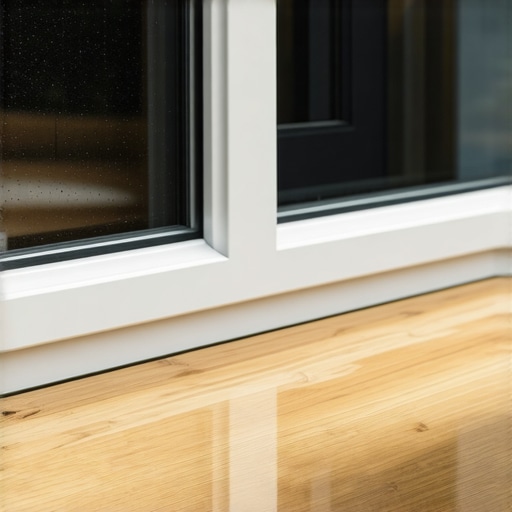
The Morning Ritual No Homeowner Wants
You wake up on a cold morning, pull back the curtains, and there it is: a pool of water sitting on your expensive oak sills. It is a sight that sends shivers down the spine of any master glazier. This isn’t just a minor annoyance that a window cleaner can wipe away; it is a symptom of a thermal imbalance that, left unchecked, will lead to the structural degradation of your sash and the eventual growth of black mold within your wall cavity. When we talk about condensation pooling on wood sills, we are discussing the physics of the dew point and the failure of the building envelope to manage interior humidity against exterior temperature extremes. I have spent 25 years inspecting rough openings and diagnosing why high-end wood windows fail prematurely. Most of the time, the problem isn’t just the glass; it is how the home breathes.
The Condensation Crisis: A Real-World Diagnostic
A homeowner recently called me in a panic because their brand-new, high-performance windows were ‘sweating’ so much that the moisture was dripping behind the apron and staining the drywall. I walked into the room with my hygrometer and showed them that their indoor relative humidity was sitting at 62 percent while the outside temperature was a biting 10 degrees Fahrenheit. I had to explain that it wasn’t a defect in the window repair or the manufacturing; it was their lifestyle. They had three large humidifiers running because they liked the ‘feel’ of the air, not realizing they were essentially creating a tropical rainforest inside a refrigerator. The windows were performing exactly as they should: they were the coldest surface in the room, and therefore, they were the collection point for every bit of excess moisture in the air. This is the first lesson any homeowner must learn: windows do not create water; they only collect it.
“Condensation is the result of moisture-laden air coming into contact with a surface whose temperature is below the dew point. It is a ventilation and humidity issue, not necessarily a window performance failure.” – NFRC Condensation Resistance Fact Sheet
The Science of the Dew Point and Thermal Bridging
To understand how to stop this pooling, we have to look at the glazing bead and the spacer system. In older double-pane units, the spacer (the metal bar between the glass panes) was often made of aluminum. Aluminum is a fantastic conductor of cold. This creates a ‘thermal bridge’ at the edge of the glass. Even if the center of the glass is relatively warm, the edges remain freezing. When the warm, moist air of your home hits that cold edge, the air temperature drops rapidly. Cold air cannot hold as much moisture as warm air, so the water is squeezed out like a sponge, right onto your wood sill. This is where window repair becomes more about upgrading components than just fixing a leak. Modern windows use ‘warm-edge’ spacers made of foam or stainless steel to break that thermal bridge, keeping the glass edges closer to the room temperature and pushing the dew point further away from the surface.
The Glazing Zoom: Why Low-E Surface #3 Matters
In cold climates, where the enemy is heat loss, we utilize Low-E (Low-Emissivity) coatings specifically on Surface #3. If you count the glass surfaces from the outside in, Surface #1 is the exterior, Surface #2 is the inner side of the outer pane, and Surface #3 is the outer side of the inner pane. By placing the coating on Surface #3, we reflect the radiant heat from your furnace back into the room. This keeps the inner pane of glass significantly warmer. A warmer inner pane means the air near the sash doesn’t cool down enough to reach the dew point. If you are looking to replace windows, checking the NFRC label for a high ‘CR’ or Condensation Resistance rating is vital. This number ranges from 1 to 100; the higher the number, the better the window is at resisting the formation of water. Don’t let a salesman gloss over this; in northern climates, the CR is just as important as the U-Factor.
“Proper installation of the window unit, including the integration of the sill pan and flashing tape, is essential to ensure that any incidental moisture is directed back to the exterior and does not compromise the rough opening.” – ASTM E2112 Standard Practice for Installation of Exterior Windows
The Installation Autopsy: Why Sills Rot
If you find that the water isn’t just on the surface but seems to be coming from ‘under’ the window, you are likely looking at a failure of the sill pan or the flashing tape. During a full-frame replace windows project, I often see ‘caulk-and-walk’ jobs where the installer skipped the sill pan. A sill pan is a piece of flashing that sits at the bottom of the rough opening. It is sloped toward the exterior and has a ‘back dam’ to prevent water from moving inward. If condensation runs down the glass and gets behind the glazing bead, it should hit the sill pan and be directed out through the weep hole. If that path is blocked or doesn’t exist, the water sits on the wood, rots the shim, and eventually destroys the structural header below. This is why I am intolerant of installers who rely solely on a bead of caulk. Caulk is a temporary sealant; a proper flashing system is a permanent water management strategy.
Tactical Fixes for Existing Wood Windows
If you aren’t ready to replace windows, you can still mitigate the pooling. First, improve the airflow. Heavy drapes act as an insulator, trapping a pocket of cold, stagnant air against the glass. By opening the blinds just an inch at the bottom, you allow the home’s natural convection to cycle warm air across the sash, raising the glass temperature. Second, inspect your weep holes. These are small gaps in the bottom of the exterior frame designed to let water escape. If they are clogged with debris or painted shut by an overzealous window cleaner, the water has nowhere to go but back into your wood sills. Third, use a dehumidifier. In the winter, your indoor humidity should ideally stay between 30 and 40 percent. Any higher, and you are asking for physics to take a toll on your woodwork. Finally, check the operable parts of your window. If the weatherstripping is compressed or missing, cold air is leaking in, cooling the frame and accelerating the condensation process. A simple weatherstripping window repair can sometimes do more for your sills than a whole new coat of varnish.
The Math of Modern Glazing
Let’s talk about the ROI of comfort. People often think that the biggest benefit of new windows is the energy bill. While a lower U-Factor helps, the real ‘Return on Investment’ is the preservation of your home’s structure and your own health. Excess moisture on wood sills leads to mold, and mold leads to respiratory issues. When you replace windows, you are investing in a system that manages the building’s thermal envelope. A triple-pane unit with argon gas fill and a warm-edge spacer might cost 20 percent more upfront, but it virtually eliminates the dew point issue in all but the most extreme conditions. You aren’t just buying glass; you are buying a 20-year insurance policy against rot and mildew. Do not settle for ‘good enough’ when it comes to the barrier between your living room and a sub-zero winter.
Conclusion: Respect the Envelope
Stopping condensation from pooling on your wood sills requires a multi-front attack. You must manage your home’s humidity, ensure your windows are technically capable of maintaining surface temperature, and verify that the installation allows for proper drainage through weep holes and sill pans. Wood is a beautiful, traditional material, but it is unforgiving of moisture. Treat your windows as a technical system rather than just a view. If the water is already there, don’t just wipe it away. Investigate the source. Is it the humidity? Is it the glass? Or is it a failed installation? Being a master glazier means knowing that the answer is usually a combination of all three. Keep your glass warm, your air dry, and your rough opening properly flashed, and your wood sills will last for generations.