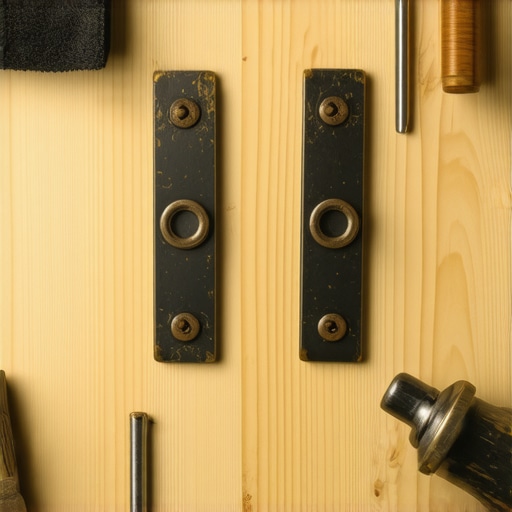
The soul of a Victorian home is often found in the weight and tactile resistance of its original fenestration. To a master glazier with twenty-five years on the bench, a window is not merely a piece of glass held in a frame; it is a sophisticated mechanical assembly designed to manage the delicate balance of ventilation and thermal protection. When a homeowner asks me about window repair, they are often surprised that I do not immediately reach for a replacement catalog. Instead, I look at the sash, the muntin profile, and specifically, the hardware that has survived a century of seasonal expansion and contraction.
The Condensation Crisis: A Narrative of Misunderstood Physics
I recall a specific call to a 1890s brownstone where the homeowner was in a state of absolute panic. They believed their original windows were failing because the brass sash locks and lifts were ‘sweating’ every morning in December. They were ready to rip out every historic timber frame and replace windows with modern vinyl units. I walked in with my hygrometer and a thermal imaging camera. I had to show them that the humidity in the parlor was hovering at 62 percent. The hardware was not failing; it was simply the coldest surface in the room, acting as a primary site for phase-change condensation. It was a lifestyle issue involving unvented heaters and a lack of air turnover, not a mechanical failure of the window. By restoring the hardware to allow for a proper ‘top-down’ ventilation gap, we solved the moisture issue without losing a single piece of original glass.
“Installation is just as critical as the window performance itself. A high-performance window installed poorly will fail.” – AAMA Installation Masters Guide
The Anatomy of the Victorian Sash System
To understand restoration, one must understand the Rough Opening and how the sash interacts with it. A Victorian window is an operable system of balances. The sash moves vertically, guided by the parting bead and the stop bead. The hardware is the interface of this movement. When we talk about window repair in this context, we are talking about the pulleys, the cord or chain, the weights hidden in the pocket, and the sash lock that provides the final compression seal. The physics of the U-Factor comes into play here; even if the wood is sound, if the hardware does not pull the meeting rail tight, your air infiltration rates will skyrocket, making the U-Factor of the glass irrelevant.
Phase 1: Assessing the Metal Fatigue and Oxidation
Restoration begins with a meticulous removal of the hardware. This is where most amateur installers fail; they use a standard screwdriver and strip the heads of the original brass screws. A professional uses a hollow-ground bit that fits the slot perfectly. Once the hardware is removed—the pulleys, the sash locks, and the lifts—we begin the process of removing decades of ‘landlord tan’ paint. We do not use aggressive grinding. Instead, a slow-cook in a crockpot with a mild detergent or a chemical dip is necessary to preserve the crispness of the original casting. Victorian hardware was often made of solid brass or bronze, though sometimes you will find cast iron with a copper flash. Knowing the difference determines your polishing strategy. If you over-polish a copper-flashed iron piece, you will remove the finish and expose the raw iron to immediate oxidation.
Thermal Dynamics and the Role of the Sash Lock
In cold climates, the sash lock is the most important piece of ‘energy efficient’ technology in the house. Its job is not just security; it is a mechanical lever designed to pull the upper and lower sash together at the meeting rail. This compression is vital to stop the stack effect, where warm air escapes out the top of the window while pulling cold air in through the bottom. When I perform a window repair on these units, I often have to shim the sash lock to ensure it reaches the keeper with enough force to create an airtight seal. If the hardware is misaligned by even a sixteenth of an inch, the thermal performance of the entire wall is compromised. This is a technical reality that a window cleaner might notice but only a glazier can fix.
The Pulley and the Weight: Mechanical Friction vs. Fluid Motion
The heart of the Victorian window is the pulley. Most people ignore them until the cord snaps, but a master glazier knows that a squeaky pulley is a sign of energy loss. If the axle is seized, the homeowner has to fight the window to open it, often leading to cracked muntins or broken glazing bead. We remove the pulleys, clean the housings, and lubricate the axle with a dry graphite spray. We never use oil or grease, as these attract dust and particulate matter, eventually forming a grinding paste that destroys the metal. When the weights are balanced and the pulleys are slick, the sash should remain stationary at any point in its travel. This is the hallmark of a professional installation.
Addressing the Glazing and the Seal
While the hardware is being restored, we must address the glass. Original wavy glass (cylinder or crown glass) has a charm that no modern unit can replicate. However, its thermal resistance is minimal. To combat this in northern climates, we ensure the glazing putty is intact. Brittle, cracked putty allows air to bypass the glass entirely. We use a linseed oil-based putty, carefully knifed in to match the original profile. If the homeowner is concerned about heat loss, we discuss the application of a low-profile interior storm window. This creates a dead-air space, significantly improving the U-Factor without disturbing the historic aesthetic of the operable sash.
“Properly maintained historic windows can perform nearly as well as modern replacements when combined with high-quality weatherstripping and storm windows.” – NFRC Performance Guidelines
The Science of the Sill: Water Management
A window is a hole in the wall, and the sill is the primary defense against rot. During restoration, I always inspect the Sill Pan area. If the original flashing tape—or what passed for it in 1890, usually lead or tin—has failed, water will find its way into the header of the floor below. I have seen countless headers rotted through because a previous installer relied on caulk instead of the shingle principle of water shedding. We ensure the weep holes in the outer casing are clear and that the slope of the sill is sufficient to move water away from the sash. This is the difference between a window that lasts twenty years and one that lasts another century.
Final Assembly and Shimming
Reinstalling the restored hardware requires precision. We use a shim to ensure the sash is perfectly square within the Rough Opening. If the sash is tilted, the lock will never engage correctly. We also look at the parting bead. If it is too tight, the sash will bind; too loose, and it will rattle in the wind. This is a job of millimeters. Once the hardware is back in place, the movement should be silent and effortless. This level of detail is why we argue against the ‘quick fix’ of modern replacement. You cannot buy this kind of mechanical harmony at a big-box store.
Is Restoration Always the Answer?
There is a myth that you will save 50 percent on your energy bill by replacing windows. The reality is that the ROI for triple-pane units in a historic home can often exceed fifty years. When you factor in the lifecycle of a modern vinyl window—which might only be fifteen to twenty years before the seals fail and the frame warps—restoring the original timber and hardware becomes the logical financial choice. You are preserving old-growth wood that is denser and more rot-resistant than anything grown today. You are maintaining the structural integrity of the wall. And most importantly, you are keeping the architectural history of the home intact.
The Glazier’s Checklist for Hardware Restoration
- Mechanical Audit: Check the pulley axle for wear. If the hole is elongated, the pulley must be replaced or re-bushed.
- Substrate Integrity: Ensure the wood around the screw holes is not soft. If it is, use a wood consolidant or a Dutchman repair before re-mounting the hardware.
- Spring Tension: If the windows use a later spring balance instead of weights, check the tension. Weak springs lead to ‘sash drop,’ a common safety hazard.
- Finish Protection: Once the brass is polished, apply a high-quality carnauba wax or a specialized lacquer to prevent immediate tarnish, especially in high-humidity rooms like kitchens.
Ultimately, restoring Victorian sash hardware is an exercise in patience and an appreciation for 19th-century engineering. It requires a glazier who understands that the beauty of the window is a byproduct of its mechanical precision. When the sash glides up with the touch of a finger and the lock clicks into place with a solid, reassuring thud, you know the house is sealed against the elements for another generation.