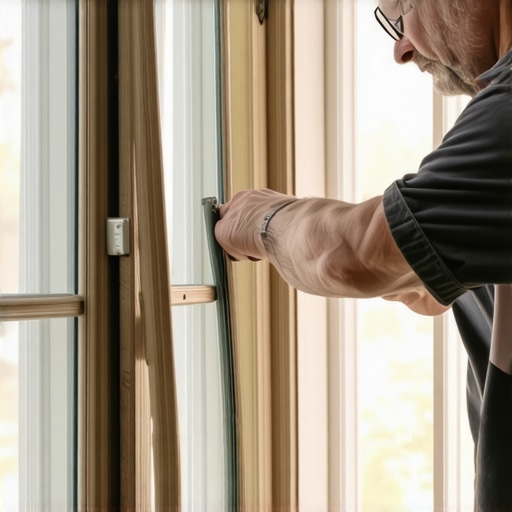
There is a specific smell that defines a true window repair project: the earthy, linseed oil scent of fresh glazing compound mixed with the dusty, metallic aroma of century-old carbonized putty. When you walk up to a rattling wooden sash in a drafty Northern home, you are not just looking at a window; you are looking at a thermal bridge that has likely been failing for decades. Most modern window cleaner professionals will tell you the glass is dirty, but as a glazier, I see the failure of the seal and the degradation of the muntin profile. Many homeowners are told they need to replace windows entirely when they see a crack, but a properly restored wooden sash can outlast a vinyl replacement three times over if the glass is set correctly.
The Anatomy of Failure: A Narrative Lesson
I remember pulling a weighted sash out of a Victorian home in a bitter Minneapolis winter. The homeowner complained of a draft that no amount of heavy curtains could stop. When I got the sash on the bench, I realized a previous ‘handyman’ had tried to fix a broken pane by squirt-gunning clear silicone into the rabbit. I pulled the glass, and the wood underneath was spongy and black. Why? Silicone is non-porous and traps moisture against the organic wood fibers, whereas traditional glazing putty breathes. The previous installer relied on a quick fix instead of the Shingle Principle. By failing to back-bed the glass, they allowed condensation to run down the interior face and seep directly into the joinery. That is how a simple glass replacement turns into a full-scale structural rot repair. It is a reminder that in the world of fenestration, the details you cannot see are the ones that keep the roof from caving in.
“Installation is just as critical as the window performance itself. A high-performance window installed poorly will fail.” – AAMA Installation Masters Guide
The Physics of the Single Pane in Cold Climates
In Northern latitudes, we fight a constant battle against the Dew Point. A single pane of 1/8 inch thick glass has an abysmal U-factor, often hovering around 1.1. This means heat energy moves through that glass like it is not even there. When the interior air, humidified by our breathing and cooking, hits that cold glass, it reaches the saturation point and turns into liquid water. This is why the material science of your window repair matters. We are not just stopping a draft; we are managing moisture. We use the wood’s natural thermal resistance to our advantage, but we must protect it with a proper glazing bead of compound. If you are in a climate where the mercury stays below freezing for months, the interface between the glass and the wood sash must be airtight and watertight to prevent the freeze-thaw cycle from blowing out your wood joints.
The Glazier’s Toolkit and Pre-Installation Rigor
Before you even touch a piece of glass, you must understand the Rough Opening and the specific tolerances of your sash. To replace windows or even a single pane correctly, you need more than a glass cutter. You need a hacking knife to clear the old, rock-hard putty, a point driver to secure the glass, and high-quality boiled linseed oil. Never apply new putty to raw, dry wood. The dry wood will act like a sponge, sucking the oils out of the putty and causing it to crack and fail within a year. You must prime the wood or treat it with oil to ensure a molecular bond. This is the difference between a five-year fix and a fifty-year restoration.
“The air leakage of a window assembly can be more detrimental to the energy performance of a building than the thermal conductance of the glazing itself.” – NFRC Fenestration Standards
Step-by-Step: The Technical Execution of Glass Setting
First, remove the sash from the frame. This usually involves removing the stop beads and carefully disconnecting the sash cords or weights. Once the sash is on a flat work surface, use a heat gun or a specialized steam box to soften the old glazing compound. Do not use a torch; the high heat can shatter the glass or char the muntins. Once the old glass is out, scrape the rabbits down to the bare wood. Inspect the muntins for structural integrity. If the wood is sound, apply a thin coat of oil-based primer. Now comes the most critical step: back-bedding. You must lay a thin bead of glazing compound in the rabbit before the glass goes in. This creates the primary seal. Press the glass firmly until the compound oozes out the other side. This ensures there are no voids where air or water can collect. Use diamond points or spring points to pin the glass every six inches. These points are the mechanical fasteners that keep the glass in place while the putty cures and the house shifts. Finally, apply the face glazing. This is a surgical process of pulling a clean, angled line of compound from the glass to the edge of the wood. The goal is to create a slope that sheds water away from the glass. If you see a ‘lap’ where the putty meets the glass, it should be just below the sightline of the interior muntin for a professional finish.
The Economics of Repair vs. Replacement
Many salesmen will try to convince you that your old wood windows are junk and that you need triple-pane units with exotic gas fills. While those units have their place in new construction, the ROI for replacing a historic wood window is often measured in centuries, not years. By performing a high-quality window repair, replacing the single pane, and adding a high-quality storm window, you can achieve a U-factor that rivals modern double-pane units at a fraction of the cost. Furthermore, you preserve the original character and the high-grade old-growth lumber that is simply unavailable today. Modern vinyl expands and contracts at a rate significantly higher than wood, which leads to seal failure in just a decade or two. A stable wood sash, maintained with fresh glazing and a clean coat of paint, is the sustainable choice for the discerning homeowner. When you are done, call a professional window cleaner to remove the haze and oil from the glass, and you will see the world through a lens that was built to last.