The Technical Reality of Fenestration Repair
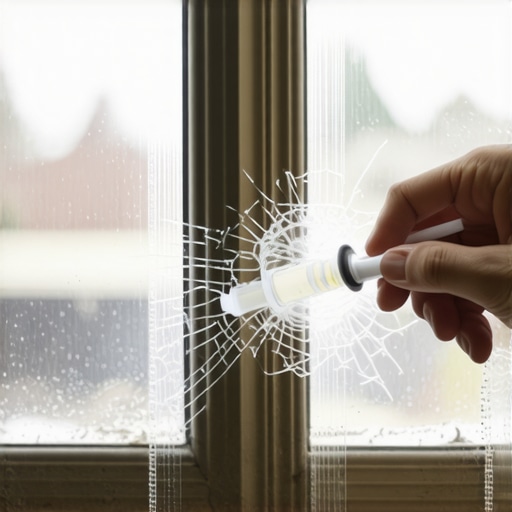
In twenty-five years of handling high-performance glazing, I have seen every possible failure of a building envelope. One of the most frequent calls I receive involves a homeowner staring at a single crack in a pane of glass, wondering if they are about to lose five figures on a whole-house replacement. The short answer is no, but the technical answer requires a deep dive into the physics of an Insulated Glass Unit (IGU). A window is not a static object; it is a dynamic pressure vessel designed to manage thermal transfer. When that glass cracks, the hermetic seal is compromised, and the window repair becomes a race against desiccant saturation.
The Condensation Crisis: A Narrative of Misdiagnosis
A homeowner in a northern climate called me in a panic because their new windows were ‘sweating’ and one had developed a mysterious spider-web fracture. I walked in with my hygrometer and showed them the humidity was 60 percent. It wasn’t the windows; it was their lifestyle, specifically a lack of ventilation. However, the fracture was a classic thermal stress crack. The pane had been shaded by a heavy interior curtain while the exterior was hit by sub-zero winds. The temperature delta between the center of the glass and the edge, tucked into the sash, exceeded the glass’s tolerance. I had to explain that we didn’t need to replace the window; we needed to replace the glass and manage the interior dew point. This is the difference between a salesman and a glazier.
“Installation is just as critical as the window performance itself. A high-performance window installed poorly will fail.” <cite>AAMA Installation Masters Guide</cite>
Anatomy of the Modern Sash
To understand the repair, you must understand the assembly. Most modern windows are comprised of an operable sash that holds an IGU. The IGU consists of two or three layers of glass separated by a spacer. This spacer is filled with a desiccant to absorb moisture. The gap is often injected with Argon or Krypton gas to lower the U-Factor. When you have a cracked pane, you are usually replacing the entire IGU, not just the single sheet of glass. This is because modern glass is factory-sealed. Attempting to swap a single sheet in the field is a fool’s errand that leads to immediate fogging. We look at the glazing bead first. These are the strips of vinyl, wood, or aluminum that hold the glass in the sash. If you can remove the glazing bead without destroying the sash profile, the repair is straightforward.
The Physics of the Northern Climate
In regions like Minneapolis or Chicago, the enemy is heat loss and condensation. The U-Factor, which measures the rate of non-solar heat loss, is our primary metric. A cracked pane in a northern winter is a thermal emergency. The moment the seal breaks, the Argon gas escapes and is replaced by moisture-laden air. This increases the U-Factor significantly, making the glass surface much colder. This leads to the dew point being reached on the interior surface, causing water to run down the sash and into the rough opening. If not addressed by a qualified window repair specialist, this moisture will rot the shim and the framing long before you notice the mold. We focus on Low-E coatings on Surface #3 to reflect heat back into the room, and a warm-edge spacer is mandatory to prevent the perimeter of the glass from becoming a cold bridge.
Step-by-Step Technical Restoration
First, we must identify the glass type. Is it annealed, tempered, or laminated? For most residential repairs, we use a glazing knife to carefully pop the glazing bead. Once the beads are removed, the IGU is still held by a glazing tape or a bead of silicone. This is where the ‘caulk-and-walk’ installers fail. You must use a thin-blade tool to cut the seal without gouging the sash. Once the old unit is out, the sash must be cleaned of all old sealant. Any residue will prevent the new unit from seating properly. We then check the weep hole. If the weep holes are clogged, the new glass will sit in a pool of water, leading to premature seal failure. Next, we apply new glazing tape to the sash lip. The new IGU is set on setting blocks. These are small plastic shims that ensure the glass is centered and that there is a gap for water to migrate to the weep hole. This is the ‘Shingle Principle’ in action: every layer must shed water to the exterior.
“A window’s thermal performance is only as good as the integrity of its perimeter seals and the precision of its glazing beads.” <cite>NFRC Performance Standards</cite>
When to Replace vs. When to Repair
I often have to act as the voice of reason. If the frame is made of low-grade vinyl that has become brittle from UV exposure, replacing the glass is like putting a new engine in a rusted-out car. Vinyl has a high coefficient of thermal expansion. In extreme cold, it shrinks; in heat, it expands. Over time, the corners of the sash can crack. If the sash corners are separated, the window cleaner will notice drafts that no amount of glass replacement can fix. However, if you have high-quality wood or fiberglass frames, a glass-only repair is a brilliant move. It preserves the architectural integrity of the home and maintains the weather barrier without the mess of a full-frame tear-out. We check the rough opening for squareness. If the house has shifted, the sash may be pinched, which is likely what caused the crack in the first place. In that case, we must shim the frame before installing new glass.
Technical Specifications of the Replacement Unit
When ordering the replacement, we don’t just measure height and width. We measure the overall thickness (OT) with a caliper. A mistake of 1/16th of an inch means the glazing bead won’t snap back in. We also specify the Low-E coating. In the North, we want a high Solar Heat Gain Coefficient (SHGC) to allow the sun to help heat the home in winter, but a very low U-Factor. We specify a dual-seal system: a primary seal of polyisobutylene (PIB) and a secondary seal of silicone or polyurethane. This ensures that the gas stays in and the moisture stays out for twenty years or more. Don’t let a contractor tell you that a single-pane repair with a bit of putty is sufficient. That is a 1950s solution for a 2024 building science problem.
Final Quality Control
After the new unit is glazed and the beads are snapped back, we perform a smoke pencil test to ensure no air is bypassing the seals. We check the operable hardware. If the sash doesn’t move smoothly, the stress on the glass will continue. A window repair is not finished until the sash is balanced and the weatherstripping is making full contact. This level of precision is why I have a zero-tolerance policy for installers who think a tube of caulk solves every problem. Water management is a science, not a hobby. By focusing on the details of the IGU and the sash integrity, we can extend the life of your windows for decades without the waste of a full replacement.