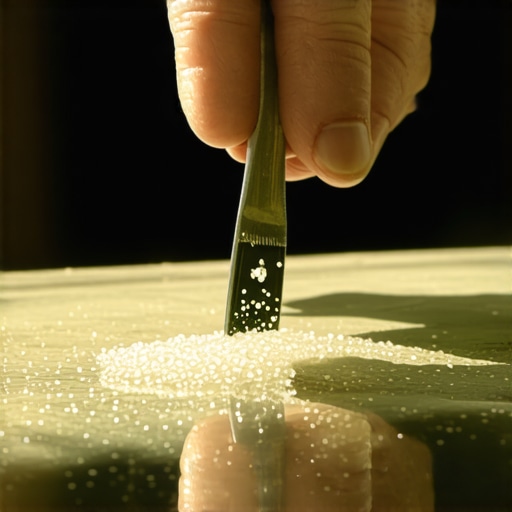
The Precision of the Blade: Why Glass Maintenance is a Science
As a Master Glazier with over a quarter-century in the field, I have seen every imaginable substance bonded to glass. From overspray on high-rise curtain walls to industrial pollutants in dense urban corridors, the challenge remains the same: how do we restore the substrate without compromising its structural integrity? Tree sap is a particularly aggressive organic resin. It is not merely a cosmetic blemish. Left unaddressed, sap can trap grit and particulates that, when moved by wind or cleaning attempts, create micro-abrasions. For those who manage properties in the Northern climates where conifers and hardwoods are prevalent, understanding the relationship between a razor blade and a pane of glass is a fundamental skill. This guide is not about a quick fix. It is about technical execution that avoids the need for a premature window repair or, in extreme cases, the need to replace windows entirely due to surface degradation.
The Narrative of Neglect: A Lesson in Flashing and Maintenance
I pulled a wood-clad window out of a house in the suburbs of Seattle and the header was completely black with rot. Why? The previous installer relied on the nailing fin instead of proper flashing tape, but the secondary culprit was the homeowner’s lack of glass maintenance. Heavy sap deposits had accumulated along the top glazing bead, creating a dam that redirected water behind the brick mold and into the rough opening. By the time I arrived, the structural header was soft enough to poke a screwdriver through. This illustrates a critical point in fenestration: the window is a system. When you fail to clean the glass properly, you allow organic materials to compromise the seals and the shedding capacity of the sash. This is why a simple task like removing sap with a razor blade is actually a preventative maintenance measure for the entire building envelope.
“Installation is just as critical as the window performance itself. A high-performance window installed poorly will fail.” AAMA Installation Masters Guide
The Molecular Reality of Glass and Steel
To understand why we use a razor blade, we must look at the Mohs scale of mineral hardness. Standard soda-lime glass, which constitutes the majority of residential windows, typically lands between 5 and 6 on the Mohs scale. A high-quality carbon steel razor blade is generally around 5.5. This means that if the blade is used at a perfect angle with sufficient lubrication, it is physically incapable of scratching the glass. However, the danger lies in the contaminants. If you drag a piece of silica (sand) across the pane with the blade, the silica, which has a hardness of 7, will win every time. This results in what we call a glass snake, a long, permanent scratch that often necessitates a window repair professional to polish out or a full IGU (Insulated Glass Unit) replacement.
Before you even touch the glass with steel, you must saturate the sap. I use a dedicated window cleaner solution or a mixture of isopropyl alcohol and water. This acts as both a solvent for the terpenes in the sap and a lubricant for the blade. If you attempt a dry scrape, you are inviting disaster. The friction generates heat, which can cause the sap to smear rather than lift, and it increases the risk of the blade catching on a microscopic imperfection in the glass surface.
Technical Execution: The Glazier’s Angle
When you are ready to scrape, the angle of the blade is paramount. You are looking for an angle between 6 and 15 degrees relative to the glass surface. Anything steeper and you risk ‘chattering’ the blade, which can leave microscopic gouges. Anything shallower and you might not get under the sap’s bond. Use a fresh, single-edge industrial razor blade. Do not use a blade from a utility knife, as these are often too thick and lack the necessary flex for precision glass work. Start by testing a small, inconspicuous area, especially if you are dealing with modern high-performance windows.
Climate Logic: The North and the U-Factor
In Northern regions like Minneapolis or Chicago, windows are designed to be thermal barriers against extreme cold. The primary metric here is the U-factor, which measures the rate of heat loss. Modern windows in these climates often utilize Low-E (Low-Emissivity) coatings. Here is where the razor blade technique becomes dangerous: you must identify which surface the coating is on. In a standard double-pane IGU, there are four surfaces. Surface #1 is the exterior, #2 is the inner face of the outer pane, #3 is the outer face of the inner pane, and #4 is the room-side surface. In cold climates, the Low-E coating is traditionally on Surface #2 or #3 to reflect heat back into the room. However, some newer high-performance units use a ‘hard coat’ Low-E on Surface #4 or even Surface #1. If you use a razor blade on a Surface #1 hard coat to remove sap, you will strip the metallic oxides right off the glass. This ruins the thermal performance and leaves a visible ‘ghost’ on the window. Always check for the NFRC label or use a coating detector before you scrape.
“The NFRC provides consistent ratings on window, door, and skylight energy performance, allowing consumers to compare products fairly.” NFRC Certification Standards
Beyond the Glass: The Window as a System
Removing sap is also the perfect time to inspect the rest of the assembly. Check the weep holes at the bottom of the frame. If sap is dripping from overhanging trees, it is likely that needles and dust are also clogging these vital drainage channels. A clogged weep hole leads to water backing up over the sill pan and into the wall cavity. Inspect the glazing bead, the strip of vinyl or wood that holds the glass in the sash. If the sap has caused the glazing bead to pull away, you no longer have a watertight seal. This is a common point of failure that leads people to think they need to replace windows when a simple bead replacement and re-sealing might suffice.
If the window is operable, check the weatherstripping. Sap can be acidic and, over time, can degrade the pile or rubber seals on a sliding sash. If you find that the sap has reached the hardware, you will need a more intensive window cleaner that can degrease the tracks without stripping the factory lubricants from the rollers or balances. This is where the transition from ‘cleaning’ to ‘window repair’ occurs.
The Science of Material Choice in Replacement
If you find that the sap and environmental factors have already done their damage, and you are looking to replace windows, consider the material science of the frames. In heavy-vegetation areas, vinyl frames are popular because they are non-porous and easy to clean, but they have a high coefficient of thermal expansion. This means they grow and shrink significantly with the seasons, which can stress the seals around the glass. Fiberglass is a superior choice for stability, as it expands at nearly the same rate as the glass itself, maintaining the integrity of the sealant chronologically longer than vinyl or wood. Wood is beautiful but in a sap-heavy environment, it is a liability. The resins can bond to the paint or stain, leading to peeling and eventual rot if not maintained with extreme diligence.
The Professional Toolset for Glass Restoration
To do this right, you need more than just a blade. Your kit should include: 1. A retractable razor scraper with a wide handle for grip stability. 2. A 100 percent cotton microfiber cloth. 3. A professional-grade squeegee. 4. A solution of water and a surfactant (like dish soap) or a dedicated glass cleaner. 5. A shim or a small plastic tool for detail work around the muntins where a metal blade might nick the finish. When you work the blade, move in one direction only. Never pull the blade backward across the glass. This is the most common way that debris gets trapped under the edge, leading to those aforementioned glass snakes. After the sap is removed, use the squeegee to clear the entire pane. This allows you to inspect the surface for any residual resin or damage that was hidden by the debris.
Final Thoughts on Fenestration Longevity
Window maintenance is not a chore; it is an investment in the building’s infrastructure. Whether you are performing a minor window repair by replacing a failed seal or just spending a Saturday morning with a razor blade and a bucket, you are extending the life of your home’s most vulnerable points. Remember that the rough opening of your home is a gap in your protection against the elements. The glass, the sash, and the frame are all that stand between your interior comfort and the external environment. Treat the glass with the respect that a technical substrate deserves, and it will provide clarity and thermal protection for decades. If you ever feel that the sap has compromised the glass to the point of etching, or if you see fogging between the panes (indicating a seal failure), it is time to consult a professional to discuss the technical merits of modern replacement options.