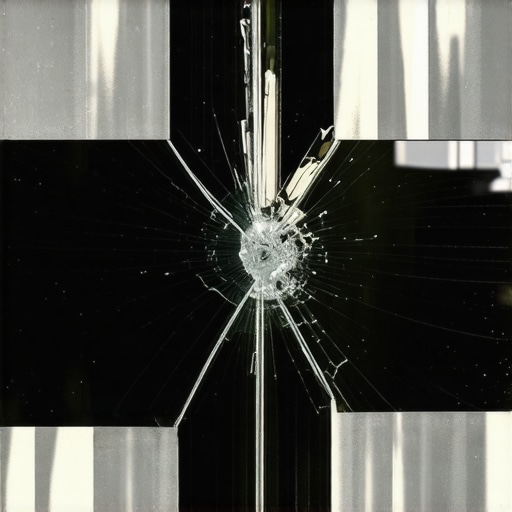
The Sound of Structural Failure: More Than Just a Crack
That sharp, crystalline snap is a sound every homeowner dreads. It usually happens at 2:00 AM during a cold snap or right after a stray pebble hits the pane. As a master glazier with a quarter-century in the field, I can tell you that a crack in your window is not just an aesthetic blemish; it is a breach in your home’s thermal envelope. You are no longer just looking at a piece of glass; you are looking at a failure of the pressure-equalized rainscreen system that your window is supposed to represent. While your first instinct might be to call for a total window repair or even to replace windows entirely, you need an immediate mitigation strategy to prevent moisture from reaching the sash or the rough opening.
“Installation is just as critical as the window performance itself. A high-performance window installed poorly will fail.” AAMA Installation Masters Guide
A homeowner called me in a panic because their new windows were ‘sweating’ and one had developed a massive stress fracture. I walked in with my hygrometer and showed them the humidity was 60 percent. It wasn’t the windows; it was their lifestyle and the lack of proper ventilation. That moisture was settling in the glazing bead, and during a freeze-thaw cycle, the expansion of that trapped water put enough pressure on the glass to snap it. If you find yourself in this situation, clear tape is your best temporary ally, but you have to apply it with the precision of a technician, not a hobbyist.
The Physics of the Temporary Tape Patch
When we talk about patching a crack, we are primarily concerned with two things: air infiltration and moisture migration. In a cold climate, a crack acts as a vacuum. Warm, moist air from your living room is sucked toward the cold glass. This creates a dew point right inside the crack. If that moisture freezes, the crack propagates. By using a high-quality clear packing tape, you are creating a temporary vapor barrier. This isn’t about structural integrity; it is about managing the convective loop that is currently draining your wallet.
First, you must clean the area. Use a professional-grade window cleaner, but do not spray it directly into the crack. Dampen a microfiber cloth and wipe the perimeter of the fracture. If you saturate the crack, you are trapping moisture behind your tape, which will lead to fogging between the panes if you have an Insulated Glass Unit (IGU). Once the surface is dry, apply the tape in a manner that follows the ‘shingle principle.’ Start at the bottom of the crack and work your way up, overlapping each strip by at least half an inch. This ensures that any condensation running down the pane stays on the outside of the tape rather than seeping behind it.
Understanding Thermal Stress and U-Factor
In northern regions, the U-Factor is the most critical metric on your NFRC label. It measures the rate of non-solar heat loss. When the glass is cracked, your U-Factor effectively disappears in that zone. The sash is designed to hold the glass in a specific tension. A crack releases that tension, often causing the operable parts of the window to stick or drag. If you have a Low-E coating, it is likely on Surface #3 in a cold climate, designed to reflect long-wave infrared radiation back into your home. A crack disrupts this coating, leading to a cold spot that will feel like a literal hole in your wall.
“The NFRC provides consistent ratings on window, door, and skylight products which help consumers compare the energy performance of these products.” NFRC Performance Standards
The tape helps maintain a stagnant air layer. If you have a double-pane window and only one pane is cracked, the argon gas fill has already escaped. You cannot ‘fix’ this with tape, but you can stop the whistling sound of air being pulled through the weep hole and out through the crack. This temporary seal is vital to prevent the wooden muntins or the interior rough opening from being exposed to raw exterior humidity, which leads to the black rot I have seen destroy countless headers.
The Long-Term Reality: Repair vs. Replacement
While the tape buys you time, you must eventually decide whether to perform a window repair or to replace windows. If the frame is a high-quality fiberglass or a thermally broken aluminum, a simple glass replacement (dropping in a new IGU) is usually sufficient. However, if you see water damage on the sill pan or if the flashing tape behind the siding has failed, the crack is just a symptom of a larger structural issue. Do not fall for the ‘caulk-and-walk’ installers who promise a quick fix by just pumping more silicone into the glazing bead. You need a full diagnostic of the rough opening to ensure that the water management system is still functional. A crack is an invitation to inspect the shim spacing and ensure the unit hasn’t shifted, putting undue stress on the glass. When the pros arrive, they won’t just look at the glass; they will look at the way the window sits in the wall, checking for level, square, and plumb to ensure the next pane doesn’t suffer the same fate.