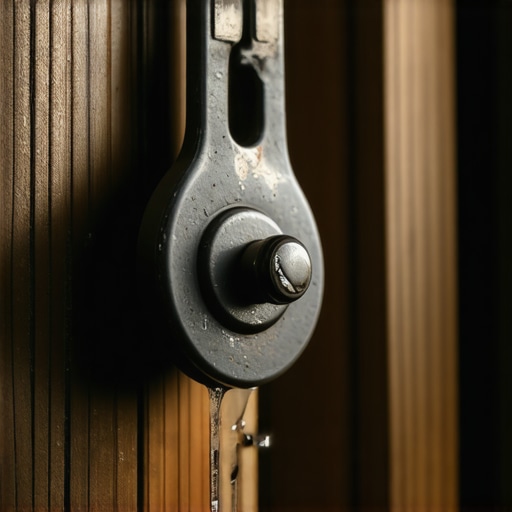
The Mechanical Soul of the Historical Window
In my twenty-five years as a master glazier, I have heard every sound a window can make. There is the sharp crack of a thermal stress fracture and the hollow rattle of a loose glazing bead, but nothing signals a system in distress quite like the high-pitched screech of a seized pulley. To the untrained eye, a sash window is just a piece of glass in a wooden frame. To a professional, it is a balanced mechanical assembly where every ounce of friction matters. When a pulley fails, the entire operable system begins to degrade. You are no longer just dealing with a noisy window; you are accelerating the wear on your sash cord and risking a failure that could send a heavy wooden sash crashing into the sill.
The Anatomy of Failure: A Narrative from the Field
I remember pulling a wood sash window out of a historic home in the North End of Boston. The homeowner complained that the windows were impossible to open, even after a professional window cleaner had scrubbed the tracks. I pulled the trim back to inspect the rough opening and found that the header was completely black with rot. Why did this happen? The previous installer had relied on the nailing fin of a cheap replacement and ignored the original weight pockets. More importantly, the pulleys had rusted solid. The homeowner had been using a pry bar to force the windows open, which broke the seal of the flashing tape and allowed a decade of New England nor’easters to pour water directly into the wall cavity. This is the cost of neglecting basic window repair. A simple application of the correct lubricant five years earlier would have saved them twenty thousand dollars in structural remediation.
“Installation is just as critical as the window performance itself. A high-performance window installed poorly will fail, and a well-built historical window that is poorly maintained will cease to function as a thermal barrier.” – AAMA Installation Masters Guide
The Physics of Friction and Thermal Loss
In colder climates like Chicago or Minneapolis, the window pulley is a direct thermal bridge. Behind that pulley lies the weight pocket, a hollow cavern inside your wall where the cast-iron counterweights live. Because this area is rarely insulated, the metal pulley housing becomes a conductor for the cold. If the pulley is not spinning freely, the sash will not seat tightly against the meeting rail or the sill. This creates a gap that destroys your U-Factor. U-Factor measures the rate of heat loss, and a window that cannot close fully due to mechanical resistance is essentially a hole in your building envelope. When we talk about how to replace windows, we often focus on the glass, but the mechanical health of the frame is what keeps the draft out in January. A seized pulley prevents the sash from compressing the weatherstripping, leading to massive heat loss and potential condensation issues on the interior glass surface.
The Glazier’s Process for Pulley Restoration
Before you reach for a can of whatever lubricant is sitting in your garage, you must understand the materials involved. Most historical pulleys are made of cast iron, brass, or stamped steel. Each reacts differently to environmental stressors. If you see orange flakes, you are dealing with oxidation on steel or iron. If you see a green patina, you have brass. Do not use WD-40. It is a solvent, not a long-term lubricant. It will cut through the old grease, but it evaporates quickly and leaves behind a sticky residue that attracts dust and grit, essentially creating a grinding paste that will eat your sash cord. Instead, we use dry graphite or a high-grade Teflon-based spray that won’t attract contaminants.
Step 1: The Preliminary Cleaning
Use a vacuum with a brush attachment to clear the rough opening area around the pulley. Any grit left in the housing will be drawn into the axle once you apply the lubricant. If the pulley has been painted over, a common sin of the “caulk-and-walk” contractor, use a sharp utility knife to score the perimeter of the wheel. You must ensure the wheel can spin independently of the housing before applying any chemical.
Step 2: Axle Penetration
The goal is to reach the central pin or axle. This is the pivot point. Apply a single drop of penetrating oil if the wheel is completely frozen. Let it sit for ten minutes. Once the wheel moves, wipe away every trace of the oil. We want the axle clean, not greasy.
Step 3: The Final Lubrication
Apply your dry lubricant specifically to the axle point. Spin the wheel multiple times to distribute the material. You will feel the resistance drop as the lubricant coats the internal surfaces. If you are working on a high-performance restoration, this is also the time to inspect the muntins and the glazing bead for any signs of moisture infiltration that could lead to future rot.
“The exclusion of water and air infiltration is the primary goal of any fenestration maintenance procedure. Mechanical components must be kept in working order to maintain the integrity of the weather seal.” – ASTM E2112 Standard Practice
When to Repair and When to Replace
There is a point where window repair is no longer viable. If the pulley housing has cracked or if the axle hole has elongated into an oval shape, the mechanical advantage is gone. In these cases, you are looking at a full pulley replacement. If the wood surrounding the pulley has lost its structural integrity due to rot, you may need to consider whether it is time to replace windows entirely. Modern fiberglass or thermally broken aluminum frames offer incredible durability, but they lack the soul of a restored timber sash. However, if your goal is the lowest possible SHGC (Solar Heat Gain Coefficient) and the best U-Factor, a modern triple-pane unit with a Low-E coating on surface three is the logical choice for northern climates. But for those of us who appreciate the craft of the 19th-century glazier, keeping those pulleys spinning is a matter of professional pride. It is the difference between a house that breathes and a house that leaks.