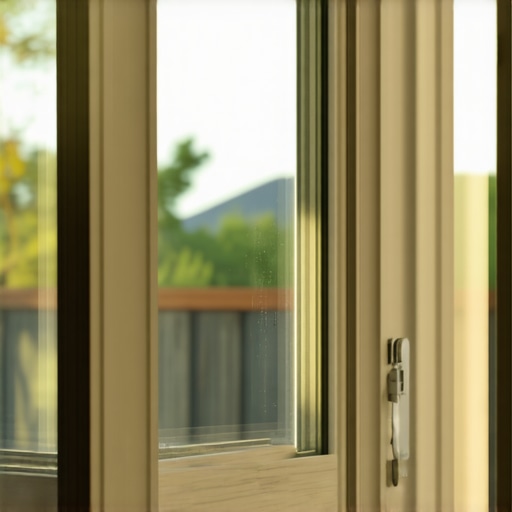
The Frustration of the Restricted Sash
In twenty five years of glazing, I have seen every possible failure of the operable window. Nothing irritates a homeowner more than a window that hits a hard stop after only rising three or four inches. It is not just an inconvenience; it is a failure of the thermal envelope and a potential egress violation. When a window refuses to travel its full path, the cause is rarely ghosts and almost always physics. We are dealing with mechanical resistance, structural shifting, or the engagement of safety hardware that the owner might not even know exists.
The Condensation Crisis: A Narrative of Neglect
I recall a specific call in a bitter January. A homeowner was frantic because their double-hung windows would only open a crack before sticking. I walked in with my hygrometer and found the interior humidity at a staggering sixty five percent. The windows were literally sweating, with beads of water running down the glazing bead and into the track. It was not a manufacturing defect; it was a lifestyle issue. The excessive moisture had caused the wooden jamb liners to swell, and the moisture had migrated into the balance pockets, causing the metal springs to corrode and seize. I had to explain that until they controlled their dew point, no amount of window repair would keep those sashes moving. It was a classic case where the window was the messenger, not the criminal.
“Installation is just as critical as the window performance itself. A high-performance window installed poorly will fail.” AAMA Installation Masters Guide
The Anatomy of the Obstruction
When you find your sash stuck, the first step is to examine the track. In a cold climate like Chicago or Minneapolis, thermal contraction is your enemy. A vinyl frame that was measured for a rough opening with too much tolerance can bow. If the installer did not use a proper shim at the midpoint of the jamb, the frame can smile or frown, pinching the sash as it tries to pass the center point. This is where precision glazing becomes vital. If the frame is out of square by even an eighth of an inch, the constant force balance system will bind. This system uses a stainless steel coil spring housed in a plastic carrier. If that carrier cracks or if debris falls into the track, the sash is going nowhere.
The Science of the Window Opening Control Device (WOCD)
Sometimes the fix is even simpler, yet more technical. Modern building codes often require Window Opening Control Devices. These are small levers or buttons integrated into the sash or frame designed to prevent the window from opening more than four inches to prevent child falls. Often, these devices engage automatically. If you are struggling to open the window, look for a small tab protruding into the track. It is a safety feature, not a break. However, if these devices are bent or installed poorly, they can jam the sash permanently. A professional window cleaner often encounters these during routine maintenance, and if they are not handled with care, the delicate springs inside the WOCD can fail, locking the window in its restricted position.
Thermal Physics and the Cold Climate Challenge
In northern regions, we prioritize the U-Factor. We want a low U-Factor to keep the heat inside. This often means triple-pane units with Argon or Krypton gas fills and a Low-E coating on Surface #3. These heavy glass packages put immense strain on the sash balances. If you have a window that opens a few inches and then falls back down, or refuses to move higher, your balances are likely under-rated for the weight of the glass. Using a window repair kit that is not calibrated for the specific weight of your Insulated Glass Unit (IGU) is a recipe for a recurring headache. You need a balance that provides the exact counter-force to the gravitational pull on that heavy triple-pane sash.
“Water penetration is a primary cause of window hardware failure and structural rot.” ASTM E2112 Standard Practice
The Shingle Principle and Hardware Longevity
We must talk about the sill pan and the weep hole. If your window only opens a few inches, it may be due to internal rot within the sill that has pushed the bottom track upward. Water management follows the shingle principle: water must always flow down and out. If your flashing tape was applied incorrectly at the rough opening, water can get behind the nailing fin, rot the sub-sill, and cause the entire frame to compress. This compression puts pressure on the sash, making it nearly impossible to slide. When you finally decide to replace windows, ensuring that the new units have a dedicated sill pan and clear weep holes is the only way to prevent this mechanical failure from returning in a decade.
When Maintenance Becomes a Repair
Before you tear out the unit, try the glazier’s secret: dry silicone spray. Never use oil-based lubricants like WD-40 on window tracks; they attract dust and create a grinding paste that destroys the glazing bead and the balance shoes. A professional window cleaner knows that keeping the tracks free of grit is half the battle. If the window is still stuck, check the sash locks and the tilt-in latches. If a tilt latch is partially disengaged, it will catch on the frame, stopping the window dead. You must ensure the sash is fully seated in the tracks and that the balance shoes are level on both sides. If one shoe is higher than the other, the sash is racked, and it will bind against the jambs every time.
The Final Verdict: Repair or Replace?
If your window is high-quality with a solid U-Factor and the frame is still square, a simple balance replacement or a track cleaning will suffice. However, if you see daylight through the corners or if the frame is permanently warped due to moisture intrusion, it is time to replace windows. Do not be the person who tries to caulk their way out of a structural problem. A window that does not open is a fire hazard and a failure of your home’s mechanical systems. Invest in quality, ensure the installation follows ASTM E2112, and keep those tracks clean. Your sash should glide with the touch of a finger, not require a pry bar.