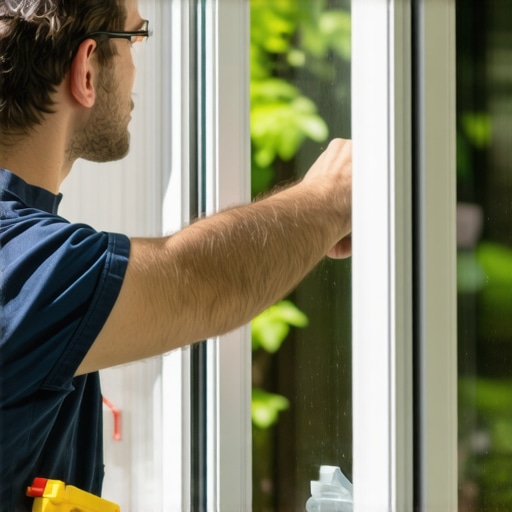
The Silence of a Seized Sash
There is a specific kind of frustration that occurs when a homeowner tries to catch a spring breeze only to find their window is effectively a part of the wall. In my twenty-five years as a master glazier, I have seen thousands of windows rendered useless by what I call the ‘Landlord Special’—that thick, indiscriminate layer of latex paint that bridges the gap between the sash and the stop molding. I once pulled a double-hung wood window out of a Victorian home in Philadelphia where the previous owner had painted the sash so thoroughly they actually covered the weep holes on the exterior. When I finally pried it open, the header was black with rot because water had been trapped in the rough opening for nearly a decade with no way to escape. The painting was not just an aesthetic choice; it was a slow-motion demolition of the home’s structural integrity. This is why window repair is not just about aesthetics; it is about maintaining the mechanical tolerances of the building envelope.
“Installation is just as critical as the window performance itself. A high-performance window installed poorly will fail.” – AAMA Installation Masters Guide
The Physics of the Paint Bridge
When we talk about a window being ‘stuck,’ we are usually describing a mechanical bond created by the surface tension and adhesive properties of dried paint. Modern latex paints are flexible, which sounds like a benefit but is actually a nightmare for operable windows. This flexibility allows the paint to stretch and form a rubberized seal across the junction of the sash and the frame. In colder northern climates, where the U-Factor of the glass is critical for heat retention, a window stuck shut might seem like a natural weatherstrip. However, windows must be operable to manage indoor humidity and prevent the dew point from reaching the interior glass surface. If you cannot open your windows during a localized humidity spike, you are inviting condensation to rot your muntins and glazing bead from the inside out.
The Technical Anatomy of the Seizure
To fix a window stuck with paint, you must understand the ‘Rough Opening’ and the interaction between the movable sash and the fixed stop. The paint usually creates a seal in three distinct areas: the interior stop, the exterior blind stop, and the meeting rail where the two sashes overlap. Using a heavy-duty putty knife or a specialized window zipper is the only way to break this bond without splintering the wood. You are not prying; you are ‘scoring.’ You must slice the paint bridge at a forty-five-degree angle to separate the sash from the stop molding. This is where the ‘caulk-and-walk’ installers fail—they assume paint is a sealant, but in reality, a window must have clear tolerances to allow for the natural expansion and contraction of the frame material.
“Standard practice for the installation of exterior windows, doors and skylights requires that all units be installed to allow for proper operation and water management.” – ASTM E2112
The Step-by-Step Restoration Protocol
First, inspect the window for lead paint, especially if the house was built before 1978. Once safety is established, start by scoring the interior perimeter. Take a sharp utility knife and run it along the seam where the sash meets the wood stop. Do not rush this. If you force a pry bar into the sash, you will crush the wood fibers and create a permanent divot. After scoring the interior, move to the exterior. This is often where the ‘window cleaner’ or painter has applied the thickest coats. You must ensure the glazing bead—the strip that holds the glass in the sash—is not being stressed during this process. If the window still refuses to move, the paint may have dripped down into the pulley pockets or along the sash cords. For windows in the North, maintaining the integrity of the weatherstripping during this process is vital. If you tear the weatherstripping while unsticking the window, your U-Factor will plummet, and you will feel that January draft as if the window were wide open.
When to Repair and When to Replace Windows
There comes a point where a stuck window is a symptom of a larger failure. If, after breaking the paint seal, the window still will not move, you are likely looking at a collapsed frame or a rotted sill that has shifted. This is common in older vinyl units where the frame has expanded beyond its original rough opening tolerances due to thermal stress. While window repair can solve surface-level issues, structural rot requires you to replace windows entirely. When selecting replacements for a cold climate, focus on the NFRC labels. You want a low U-Factor and a warm-edge spacer to prevent the glass perimeter from becoming a cold bridge. Don’t be swayed by high-pressure sales tactics regarding gas fills; focus on the frame construction and the quality of the flashing tape during installation. A window is only as good as the sill pan it sits in.
Maintaining Operability
Once the window is free, you must prevent it from seizing again. I recommend sanding the contact points down to bare wood and applying a thin layer of paraffin wax or specialized dry lubricant. Avoid using oil-based lubricants, which can attract dust and eventually create a thick grime that acts like an adhesive. Ensure the weep holes are clear on the exterior. These small gaps are designed to let water exit the frame; if they are painted shut, the water will find a way into your walls. True window maintenance is a science of water management and mechanical clearance. By treating your windows as high-performance mechanical systems rather than static wall decorations, you ensure the longevity of your home’s envelope. Keep your sashes moving, your muntins clean, and your seals tight, and you will avoid the costly reality of a full-frame tear-out.