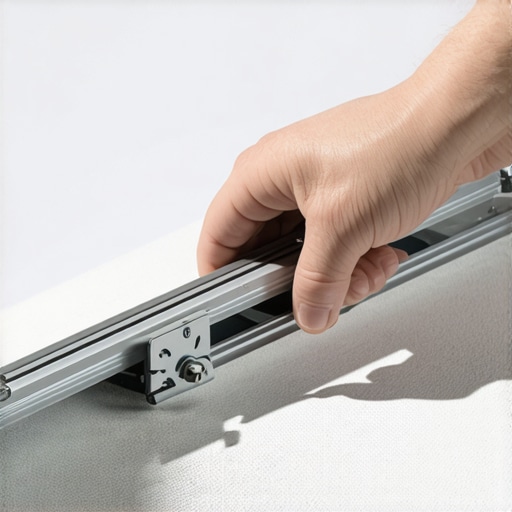
The Anatomy of a Failing Patio Door
A sliding glass door that repeatedly jumps its track is more than a minor inconvenience. It is a mechanical failure of the building envelope. As a master glazier with a quarter-century in the field, I have seen homeowners struggle with ‘sticky’ doors until they eventually snap a handle or shatter a thermal pane. The physics of a 120-pound glass slab resting on two small nylon or steel wheels is unforgiving. When those rollers fail, or when the track becomes deformed, you are no longer operating a door: you are dragging a heavy abrasive across a precision-engineered aluminum extrusion. This guide goes beyond the basic advice of using a window cleaner to wipe the glass. We are going to look at the structural integrity of the rough opening and the mechanical calibration of the roller housing.
The Rot Beneath the Sill: A Case Study
I once pulled a massive 8-foot sliding door out of a residence in a rainy coastal climate and found the entire subfloor was essentially pulp. The previous installer had relied on a bead of cheap caulk rather than a proper sill pan and flashing tape. The door was jumping the track because the floor had settled three-quarters of an inch on the left side, causing the frame to go out of square. This created a ‘parallelogram’ effect where the rollers could no longer reach the rail. If your door keeps jumping, the first thing you must check is the level of the sill. If the foundation or the subfloor has dipped, no amount of roller adjustment will provide a permanent fix. You are fighting gravity and structural subsidence.
“Installation is just as critical as the window performance itself. A high-performance window installed poorly will fail.” AAMA Installation Masters Guide
Diagnosing the Mechanical Failure
To fix a door that keeps derailment, we must examine the tandem roller assembly. Most modern patio doors use a housing that contains two wheels. These are often made of nylon, which is quiet but can flat-spot if the door sits in one position for too long, or stainless steel, which is durable but louder. Over time, the bearings inside these rollers collect pet hair, dust, and grit. This creates friction that prevents the wheel from spinning, leading the user to apply more force, which eventually pops the door off the rail. Check the ‘Glazing Bead’ and the ‘Sash’ for any signs of rubbing. If you see metal shavings on the track, your rollers are likely seized or the housing has collapsed.
The Physics of the Track and Rail
The track is not just a groove. It is an ‘Operable’ component that must remain perfectly straight. In many ‘replace windows’ scenarios, I see ‘Tin Man’ installers who ignore the track’s condition. If the stainless steel cap on the rail is dented or ‘mushroomed,’ the rollers will jump every time they hit the obstruction. You can sometimes use a block of wood and a hammer to gently reshape a bent aluminum track, but if the rail is deeply scarred, it may require a stainless steel track cover. This is a thin sleeve that fits over the existing rail to provide a new, smooth surface for the rollers.
Step-by-Step Restoration of the Sliding Mechanism
1. Remove the Door Slab: You cannot fix the track from the outside. You must retract the rollers fully using the adjustment screws located at the bottom of the door. Then, with a partner, lift the door into the head of the frame and swing the bottom out. Be careful with the ‘Rough Opening’ clearance as modern doors are heavy. 2. Inspect the Rollers: Once the door is on its side, examine the rollers. If they do not spin freely, replace the entire housing. Do not try to oil them as oil attracts more dirt. 3. Clean the Track: Use a stiff brush and a vacuum. A standard window cleaner is fine for the glass, but for the track, you need a degreaser followed by a dry silicone lubricant. Never use WD-40 or grease on a sliding door track as it will gum up and cause future jumps. 4. Re-Alignment: Once the door is back on the track, you must ‘Shim’ the frame if it is out of square. Adjust the rollers until the gap between the door and the side jamb is perfectly even from top to bottom.
“Proper water management in window and door systems requires a continuous drainage plane and the correct use of flashing to prevent structural decay.” ASTM E2112 Standard Practice
Thermal Efficiency and the Sliding Door
If you are considering a full ‘window repair’ or a complete replacement, you must consider the ‘U-Factor’ and ‘Solar Heat Gain Coefficient’ (SHGC). A sliding glass door is essentially a giant hole in your wall’s insulation. In northern climates, we look for a low U-Factor to keep the heat inside. In the south, the SHGC is the priority to block radiant heat. Ensure your door has a ‘Thermally Broken’ frame. This means there is a non-conductive material between the interior and exterior halves of the aluminum frame to prevent the transfer of cold or heat. Without this, you will see ‘sweating’ or condensation on the ‘Sash’ during winter months, which can lead to mold and further damage to your track’s cleanliness.
Maintaining the Seal
Finally, check the ‘Weep Holes’ at the exterior of the track. If these are clogged, water will back up into the track, rust the roller bearings, and eventually rot the subfloor as I mentioned in my case study. A clear path for water to exit the track is vital for the longevity of the sliding mechanism. Use a small wire or compressed air to ensure these holes are clear. A sliding door that is properly maintained and aligned should move with the pressure of a single finger. If you have to put your shoulder into it, you are causing structural damage every time you open the door. Take the time to align the rollers and clean the rail properly to avoid a costly total replacement.