
I vividly remember the day I attempted my first window repair, eager to save some cash. I grabbed a bottle of generic glass cleaner, thinking any old spray would do. Moments later, I was greeted by streaks, smudges, and a frustrating haze that made me question whether I was better off calling a professional. That lightbulb moment — realizing I was using the wrong cleaning strategy — sparked my journey toward more effective, budget-friendly window care.
If you’ve ever found yourself staring at a streaky window, feeling overwhelmed by the thought of costly repairs or unreliable service, you’re not alone. Many homeowners struggle with achieving pristine windows without breaking the bank or compromising on quality. The good news is, with a few simple tips and trusted techniques, you can significantly improve your window’s appearance and functionality, all while keeping costs low.
Why Cost-Effective Window Tips Are a Game Changer
For most of us, windows are the eyes of our homes — providing natural light and curb appeal. But when they become dirty, foggy, or damaged, it impacts the entire vibe of our living space. Yet, professional repairs can sometimes seem dauntingly expensive, and DIY methods often come with their own pitfalls. That’s where effective, budget-friendly strategies come into play — they empower you to take control without sacrificing quality.
Research shows that regular, affordable cleaning and minor repairs can extend the lifespan of your windows by years, saving you hundreds in the long run. In fact, I learned the hard way that neglecting small issues tends to lead to bigger, pricier problems later on. Early mistakes, like using harsh chemicals or skipping essential steps, cost me dearly — both in time and money. To build my trust in these methods, I turned to trusted resources, like guides on replacing windows affordably and cleaning strategies proven for lasting results.
Have you ever faced a stubborn stain or a drafty window that made you second-guess your DIY skills? If so, you’re not alone. The key to saving money and hassle lies in understanding the basics and knowing when to seek expert help for those trickier repairs. So, let’s dive into practical tips that will transform your approach to window maintenance and upgrades, making your home brighter, cleaner, and more secure — all without overspending.
Scrutinize Your Windows Before Starting
Begin with a thorough inspection to identify issues like cracks, fogging, or stubborn stains. Use a flashlight to examine the edges and corners for hidden damage. Remember, a clear plan saves time and resources later. When assessing, consider whether you can fix minor chips yourself or if professional assistance is necessary. Detailed inspection guides can be found here.
Remove Old Glazing and Replace with Affordable Materials
For cracked or broken panes, removing the existing glazing is crucial. Carefully use a putty knife to scrape away the old sealant, much like peeling off an old sticker without tearing the surface beneath. Clean the frame to ensure a good seal. Replacing broken glass with budget-friendly acrylic sheets can be a quick fix. Secure the new pane with locally sourced, cost-effective glazing compound. For detailed steps, visit this guide.
Use the Right Tools for the Job
Invest in basic tools like a utility knife, pry bar, and suction cups—they make replacing glass and repairing frames much easier. Think of tools as your trusty teammates; each has a role in making the job smoother. For instance, suction cups reduce the risk of glass slipping and breaking. Borrow or buy used tools to keep expenses low. You can learn more about budget-friendly repair kits here.
Choose Cost-Effective Cleaning Solutions
Replace expensive chemical cleaners with a simple mixture of vinegar and water. This natural solution cuts through grime and streaks without leaving residue. Spray generously—think of it as giving your windows a refreshing splash—then wipe with a microfiber cloth to prevent lint. For stubborn stains like hard water deposits, scrub gently with a DIY paste of baking soda and water. Remember, a clean window not only looks better but also extends its lifespan. Discover more trusted cleaning solutions.
Handle Repairs with Patience and Precision
When fixing window hardware, like locks or hinges, use affordable replacement parts sourced from trusted local suppliers. Remove old parts carefully, noting how they fit—like disassembling a puzzle. Apply just enough force to avoid damaging frames. Lubricate moving components with silicone spray to improve functionality. Remember, small adjustments can prevent costly replacements down the line. For expert tips, see this resource.
Seal and Patio for Long-Term Durability
Once repairs are complete, sealing gaps with weatherstripping or caulk prevents drafts and water leaks. Opt for budget-friendly sealing tapes, which are easy to apply—just like taping a leaky pipe until you can get a professional fix. Ensure the surface is dry before sealing for optimal adhesion. Proper sealing can slash energy costs and keep your home comfortable. Find sealing solutions here.
Maintain Regular Cleaning and Inspections
Set a monthly routine to keep your windows in top shape. Use your vinegar-water solution, and don’t forget to check for new cracks or drafts. Think of this as giving your windows a health check-up—early detection of issues saves money and hassle. Keep tools in a designated spot to ensure quick, effective care. Effective maintenance may seem minor but pays off by avoiding costly repairs down the line. Learn more about sustainable maintenance here.
Many homeowners assume that replacing or repairing windows is a straightforward task, but there’s a common misconception that can lead to costly mistakes. Everyone tells you to simply swap out old frames or call in the pros without considering the subtleties involved. In my experience, rushing into a replacement without understanding the nuances drastically reduces durability and long-term savings. For example, some believe that a quick removal and installation guarantees quality, but overlooking proper insulation and sealing can cause drafts and energy loss down the line. An often overlooked aspect is understanding the true causes of window failure—like moisture buildup or thermal stress—which means that a basic repair may not suffice, and a full replacement tailored to specific conditions might be necessary. Advanced homeowners know that the choice of materials—like low-emissivity (Low-E) coatings—can significantly affect energy efficiency, as detailed in expert studies such as those by the Department of Energy. Additionally, many get caught in the trap of overusing chemical cleaners, thinking that more potent solutions lead to better results, but in reality, natural solutions like vinegar and baking soda not only protect window frames but also maintain longevity. Beware of the myth that more cleaning equals brighter windows; improper scrubbing or using abrasive materials can scratch glass and damage seals, leading to more expenses. When it comes to repairs, understanding the mechanics—like hinge adjustment or hardware lubrication—can prolong the life of your existing windows, saving money and time. Misjudging this, or applying too much force, can crack frames or damage seals. A nuanced approach involves inspecting for underlying issues, such as frame warping or water intrusion, and addressing those first before cosmetic fixes.
So, what do seasoned experts emphasize that most DIYers overlook? The key is in the details: selecting the right materials, understanding the specific causes of damage, and employing proper techniques. For example, many folks wrongly assume that cleaning with harsh chemicals will restore clarity, but trusting trusted sources like trusted cleaning strategies reveals that careful, natural cleaning methods are more sustainable and effective. Also, knowing when to seek professional help for complex issues like fogging between panes or warped frames ensures long-lasting results.
Have you ever fallen into this trap? Let me know in the comments. Mastering these nuances makes all the difference between temporary fixes and lasting solutions, turning a mundane task into a true home upgrade.
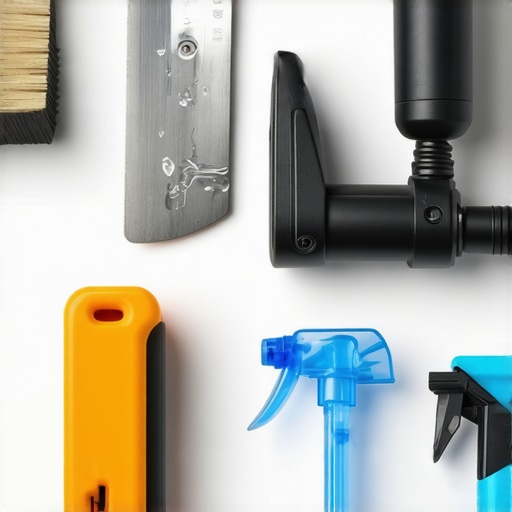
Maintaining your windows over time requires more than just occasional cleaning; it calls for the right tools, techniques, and a proactive approach to ensure they stay functional and efficient. I recommend investing in a high-quality glazing knife for precise sealant removal, which helps prevent damage to frames during repairs. An automated window cleaner, such as robotic squeegees, can keep large or hard-to-reach panes spotless with minimal effort, saving you time and ensuring streak-free results. For ongoing maintenance, a silicone spray lubricant is invaluable for hinges and locks, reducing wear and preventing squeaks, which I’ve found to extend hardware lifespan significantly.
In the future, trend forecasts suggest a growth in smart window technology—integrated sensors and automated shade controls that optimize energy efficiency and indoor comfort. Staying ahead means embracing these innovations early, but for now, routine checks and proper lubrication remain essential.
How do I maintain windows and tools over time?
Consistency is key. Regularly inspect your tools for wear—sharpen blades on your glazing knives and replace parts of your robotic cleaners as recommended by the manufacturer. Keep your silicone spray in a cool, dry place to prevent degradation and apply it every few months to hinges and locks. Schedule seasonal checkups to identify issues like drafts or seal deterioration early, and address them using trusted, cost-effective methods. For comprehensive guidance, visit this resource.
Moreover, maintaining a dedicated toolkit with these essentials ensures you’re always ready for minor repairs or routine upkeep, which prolongs the life of your windows and saves money. As technology advances, expect tools to become more automated and integrated with smart home systems, making maintenance even easier. To start, try upgrading your hinges with high-grade lubricants and see how much smoother your windows operate—it’s a simple step that yields noticeable results.
What the Smallest Details Taught Me About Lasting Results
Often, I overlooked tiny imperfections in my window repairs, thinking they weren’t worth a second glance. Yet, those overlooked spots became the source of bigger issues down the line, like drafts or fogging. This taught me that patience and attention to detail are crucial in achieving truly durable fixes, especially when working within a budget.
Another lightbulb moment was realizing that DIY solutions flourish when paired with proper knowledge. Rushing into repairs without understanding the root cause—like moisture buildup—can lead to repeated efforts and wasted money. A thorough initial assessment saves time and stress, reinforcing the value of investing in reliable guides.
Over time, I discovered that tools, even simple ones, dramatically influence repair quality. Using a quality glazing knife made sealant application more precise, while neglecting this step often resulted in leaks or poor insulation. Investing in these small but mighty tools pays off in the longevity of your work, proving that budget-friendly doesn’t mean low quality.
My Top Picks for Transforming Your Window Maintenance Game
- Microfiber Cloths—They prevent streaks and lint, making your cleaning efforts more effective, and can be found affordably at local stores.
- Vinegar and Baking Soda—Natural, safe, and surprisingly powerful, these staples help maintain clarity without risking damage to frames or seals. I trust these because they’ve consistently delivered results while protecting my budget.
- Reliable Repair Guides—Trusted sources like this comprehensive guide provide step-by-step advice that demystifies complex repairs, giving me confidence and clarity every time.
- Local Trusted Experts—Knowing where to find affordable, reliable assistance, like through this resource, helps in tackling those repairs that are best left to professionals without breaking the bank.