The Cost of Friction: How Dirty Tracks Destroy Window Performance
As a master glazier, I have watched thousands of homeowners spend a fortune to replace windows when their actual problem was a complete lack of basic physical maintenance. When your window sash resists movement, you are not just fighting a bit of dirt. You are introducing torsional stress directly to the frame joints, warping the sash structure, and tearing the weatherstripping. This friction slowly degrades the airtight seal, turning a high-performance window into a costly draft source. While window cleaner products can make the glass shine, they do not address the mechanical friction hiding in the vinyl or wood channels.
The Condensation Crisis: A Master Glazier’s Diagnosis
I recently walked into a home where the owner was in a total panic. Every single window sill in their master bedroom was covered in black spots, and water was pooling in the tracks. They were convinced they needed a complete window repair or an expensive whole-house system. I pulled out my digital hygrometer and pointed to the display: 64% relative humidity at 70 degrees Fahrenheit inside, while it was 22 degrees outside. I told them straight: ‘Your windows are not failing; your indoor air is saturated, and your weep holes are completely choked with dust and pet hair.’ The humidity was condensing on the cold glass surface, dripping down, and pooling in tracks that could no longer drain. Before you jump to expensive replacements, you must understand how to clear these vital water pathways.
“Water penetration resistance and proper drainage are dependent upon the unrestricted operation of weep holes and track clearance.” – AAMA Installation Masters Guide
The Science of the Slide: Why Window Tracks Fail
In colder northern climates, we battle severe thermal contraction. The frame materials shrink, bringing weatherstripping into tighter contact with the tracks. When dust, pollen, and insect debris mix with atmospheric moisture, they form a highly abrasive paste. This paste acts like fine-grit sandpaper, wearing away the ultra-high-molecular-weight polyethylene sliders or brass rollers that keep the sash gliding smoothly. To make matters worse, typical household aerosol lubricants act as dust magnets, compounding the issue within weeks. The solution requires a deep chemical break-down of the dirt without damaging the delicate vinyl, fiberglass, or aluminum substrate.
The Anatomy of a Deep Track Restoration
If your sash does not move with a gentle two-finger push, your track is clogged. Cleaning window tracks with a simple baking soda paste is the most effective way to lift embedded road grime and acidic soot without degrading the structural frame material. This method relies on a mild chemical reaction to lift organic binders from the non-porous track surfaces.
The Restoration Protocol
- Dry Extraction: Vacuum the rough opening and track channels using a crevice tool. Removing loose debris first prevents creating a thick slurry later.
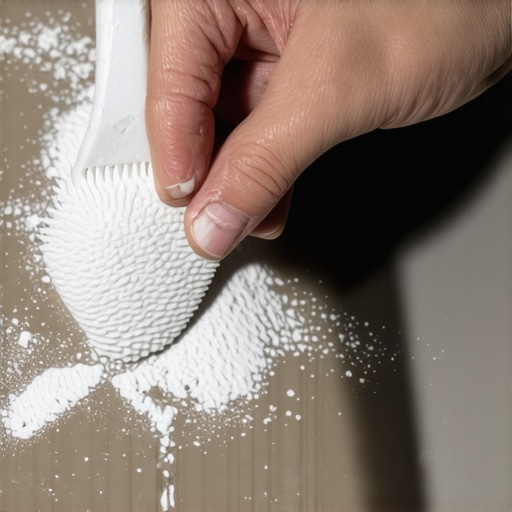
- Chemical Application: Liberally sprinkle dry sodium bicarbonate (baking soda) directly into the track channel, concentrating on the corners near the jamb.
- The Activation: Spray a moderate amount of household white vinegar over the baking soda. The ensuing chemical reaction produces carbon dioxide gas, which physically lifts bonded grime from the track floor.
- Agitation: Use a stiff-bristled brush to scrub the paste into the corners. Pay special attention to the weep holes—the small exterior drainage slots designed to let water escape.
- Extraction and Dry: Wipe the slurry out completely using micro-fiber cloths. Ensure the track is bone dry before re-engaging the sash.
“Accumulated dirt and debris in the sill track can restrict water drainage, causing water to back up and overflow into the building interior.” – ASTM E2112 Standard Practice
Evaluating Structural Damage: When to Repair vs. Replace
Sometimes, clean tracks reveal deeper, systemic structural issues. If you have restored the track to pristine condition and the sash still binds, you are dealing with structural movement. Check the plumb of the side jambs. If the framing has settled, the rough opening may be compressing the window frame, pinching the sash. A professional window repair specialist can determine if the frame can be re-shorred, or if the unit has suffered permanent frame creep. If the frame is bowed beyond a quarter-inch, it is time to replace windows entirely, ensuring the new units are properly isolated with high-density shims and flashing tape to prevent future structural distortion.