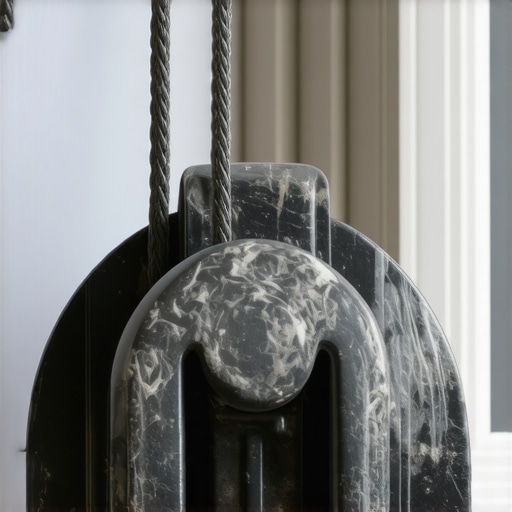
In the world of high-end fenestration, there is a distinct difference between a window cleaner and a true restoration professional. Most people look at an old double-hung window and see a relic that belongs in a landfill. They see the chipped paint, the frayed sash cords, and the frozen pulleys, and they immediately think it is time to replace windows. But as someone who has spent over two decades in the trenches of the glazing trade, I can tell you that the structural integrity of old-growth vertical grain Douglas fir often puts modern vinyl to shame. The problem isn’t the window; it is the decades of neglected maintenance. I remember pulling a wood sash out of a 1912 Craftsman in a damp coastal climate where the header was completely black with rot. The homeowner assumed the window had failed, but the culprit was a previous installer who had ignored the Rough Opening tolerances and relied on a bead of cheap caulk instead of proper flashing tape and a functional drip cap. Water had been siphoning behind the casing for years because the Sash was frozen, preventing the natural movement of air and moisture. This is why understanding the mechanics of your Sash pulley system is critical for the longevity of your home’s envelope.
“Installation is just as critical as the window performance itself. A high-performance window installed poorly will fail.” AAMA Installation Masters Guide
When we talk about window repair, we aren’t just talking about swapping out a broken pane of glass. We are talking about the restoration of a mechanical system designed to manage the stack effect of a building. In older homes, specifically in colder northern climates, the weight pockets of a double-hung window act like miniature chimneys. If your pulleys are caked in coal soot, lead paint, and oxidized grease, the friction increases exponentially. This friction puts unnecessary strain on the sash cord, eventually leading to a snap that sends the counterweight crashing to the bottom of the pocket. To fix this, you don’t need a high-pressure window cleaner or caustic chemicals that will strip the patina off your historic hardware. You need the precision of a baking soda paste. Baking soda, or sodium bicarbonate, acts as a mild alkaline abrasive. When you mix it into a thick paste and apply it to a cast iron or brass pulley, it initiates a mechanical lifting of organic grime without the risk of scouring the metal surface. This is vital because once you scratch the original factory finish of a pulley, you create micro-fissures where moisture can sit, leading to rapid oxidation and future seizing.
The science of the Sash pulley restoration involves understanding the Sill Pan and how moisture migrates through the assembly. If you are in a cold climate, your primary enemy is heat loss and the resulting condensation. When warm, moist air from inside the house hits the cold surface of an uninsulated weight pocket, you reach the dew point instantly. This is why U-Factor is king in these regions. A single-pane window with a functional storm window can actually rival some modern double-pane units if the Rough Opening is properly sealed and the pulleys are operational. To begin the cleaning process, you must first gain access to the pocket. Remove the stop beads carefully to avoid splintering the wood. Once the Sash is free, you will see the pulley housed in the jamb. Apply the baking soda paste liberally. The alkaline nature of the paste breaks down the acidic bonds in the aged oils and atmospheric pollutants. Let it sit for twenty minutes. As you scrub with a stiff nylon brush, you are not just cleaning; you are performing window repair at a molecular level. After cleaning, ensure the Weep Hole in the exterior sill is clear of debris. If the pulley doesn’t spin freely after this, the axle may be bent, necessitating a full hardware replacement.
“Standard Practice for Installation of Exterior Windows, Doors and Skylights must account for the management of water and air infiltration through the building envelope.” ASTM E2112
Many contractors will try to talk you into a full-frame replacement, claiming that old windows are energy sieves. While it is true that modern Low-E coatings on Surface #3 can reflect long-wave infrared radiation back into your living space, the cost-benefit analysis often favors restoration. A high-quality window repair job that includes cleaning the pulleys, replacing the Glazing Bead, and installing high-performance weatherstripping can achieve significant thermal gains. When the pulleys operate smoothly, the Sash seals tighter against the meeting rail, reducing air infiltration—the primary driver of high heating bills. Do not let a salesman convince you that your historic home needs vinyl inserts. Vinyl has a high coefficient of thermal expansion, meaning it will expand and contract at a different rate than your wood Rough Opening, eventually leading to the very drafts you were trying to eliminate. Instead, focus on the mechanical health of the system. Once the pulleys are cleaned with the baking soda paste and lubricated with a dry PTFE spray—never use oil, as it attracts dust—you will find that the window operates with a single finger. This ease of movement ensures that you will actually use your windows for natural ventilation, reducing your reliance on HVAC systems and improving indoor air quality. Remember, a window is a hole in your wall; its only job is to manage the environment while remaining Operable. Treat the hardware with the respect it deserves, and it will last another century.
Comments are closed.