The Invisible Failure: Why Your Windows Are Costing You More Than Just Comfort
Most homeowners believe a window fails when it breaks or when it becomes so difficult to open that it requires a pry bar. In reality, the failure of a window starts years before the glass cracks. It begins with the degradation of the seal, the warping of the sash, and the invisible migration of thermal energy. As a master glazier with a quarter-century in the field, I have seen every possible failure mode, from high-rise curtain walls to historic wood sash restorations. The truth is that most people are living with windows that are essentially holes in their thermal envelope, held together by nothing more than hope and a bit of deteriorating caulk.
The Condensation Crisis: A Master Glazier Narrative
A homeowner called me in a panic last winter because their brand-new, expensive windows were ‘sweating’ so profusely that water was pooling on the sill. They were ready to sue the manufacturer. I walked into the house with my hygrometer in hand and took a reading. The indoor humidity was 60 percent while it was 10 degrees Fahrenheit outside. I had to explain to them that the windows weren’t failing; their lifestyle was creating a microclimate the glass couldn’t handle. They had a humidification system set to ‘tropical’ and were boiling large pots of water without using a vent fan. This illustrates the first rule of glazing: the window is part of a complex system of air movement, moisture, and temperature. If you do not understand the physics of the dew point, you will never solve the problem of a ‘leaky’ window.
“Installation is just as critical as the window performance itself. A high-performance window installed poorly will fail.” – AAMA Installation Masters Guide
The 2026 Shadow Test: Diagnosing Structural Integrity
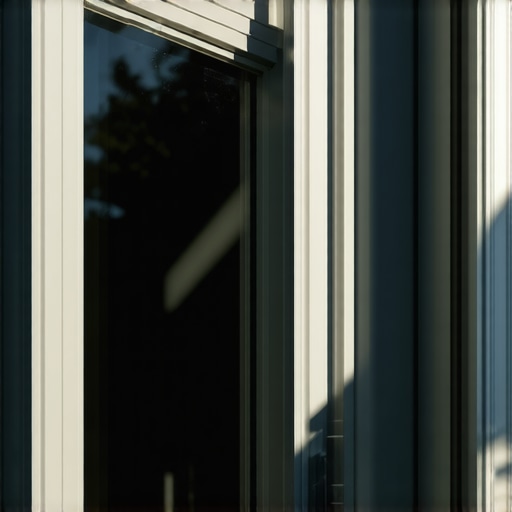
To determine if you need to replace windows or if a simple window repair will suffice, I recommend the ‘Shadow Test.’ This diagnostic method identifies frame warping that the naked eye misses. On a bright afternoon, stand inside and observe the shadow cast by the sash against the interior glazing bead. If the shadow line is wavy or uneven, the frame has lost its structural squareness. This is often caused by improper shim placement during the initial install. When a window is not level, square, and plumb within the rough opening, the gravitational load of the Insulated Glass Unit (IGU) begins to twist the frame. This twist creates micro-gaps in the weatherstripping, allowing air infiltration that no amount of window cleaner can fix. If the shadow is distorted, the seal is likely compromised, and the Argon gas fill has long since escaped, replaced by moisture-laden air.
Thermal Physics: The Battle of U-Factor and SHGC
In northern climates where the enemy is heat loss and condensation, we must prioritize the U-Factor. The U-Factor measures the rate of heat transfer; the lower the number, the better the window insulates. In these environments, we utilize triple-pane glass with a Low-E coating on Surface #3. This placement is strategic: it reflects long-wave infrared radiation (heat) back into the room rather than letting it escape to the frozen exterior. We also look for warm-edge spacers, which are the components separating the panes of glass. Traditional aluminum spacers act as thermal bridges, conducting cold directly to the edge of the glass and causing that dreaded perimeter condensation. Modern spacers use composite materials with low thermal conductivity to keep the edge of the glass warm and the dew point at bay.
The Installation Autopsy: Why Most Replacements Fail
When I perform a forensic analysis on a leaking window, the culprit is almost never the glass itself. It is the flashing tape and the lack of a proper sill pan. I have pulled out hundreds of windows where the installer relied on a thin bead of sealant and a nailing fin to keep the water out. This is a recipe for disaster. The ‘Shingle Principle’ dictates that every layer of the exterior must lap over the layer below it to shed water. If the flashing tape is applied over the top of the house wrap instead of under it at the header, water will eventually find its way behind the frame and into the wall cavity, rotting the studs. This is why a full-frame replacement is often superior to a ‘pocket’ or ‘insert’ replacement. A pocket replacement leaves the old frame in place, which means you are essentially building a new house on a rotten foundation. If the original sill pan was never installed or has failed, your new window will leak just as badly as the old one.
“The flashing system shall be integrated with the water-resistive barrier in a manner that provides a continuous drainage plane.” – ASTM E2112 Standard Practice for Installation of Exterior Windows
Frame Material Science: More Than Just Aesthetics
Choosing between vinyl, fiberglass, and wood is not just about curb appeal; it is about the coefficient of thermal expansion. Vinyl is cost-effective and low maintenance, but it expands and contracts significantly with temperature swings. In extreme climates, this movement can stress the glazing bead and the primary seal of the IGU. Fiberglass, on the other hand, is made of glass fibers and resin, meaning it expands at almost the same rate as the glass it holds. This stability makes it the gold standard for longevity. Wood offers the best natural insulation but requires a commitment to maintenance that many homeowners ignore. If the exterior paint on a wood sash cracks, moisture enters the grain, causing the wood to swell and the operable parts to bind. Once rot starts in the muntin or the meeting rail, a full replacement is usually the only viable path.
[IMAGE_PLACEHOLDER]
Managing Water: The Role of Weep Holes and Drip Caps
A window is designed to manage water, not just block it. Every high-quality window frame has a series of weep hole channels. These are small outlets at the bottom of the frame that allow water that bypasses the screen or the first layer of weatherstripping to exit to the exterior. I have seen countless homeowners ‘repair’ their windows by caulking these holes shut, thinking they were drafts. This traps water inside the frame, leading to mold growth and eventual structural failure. Additionally, the drip cap at the top of the window is the first line of defense, directing water away from the top of the unit. If your installer didn’t include a rigid head flashing, they haven’t finished the job. Window performance is a game of millimeters and physics, and if you ignore the trade cant of the glazier, you will end up with a project that fails within a decade. Invest in the numbers, verify the installation technique, and use the Shadow Test to stay ahead of the rot.