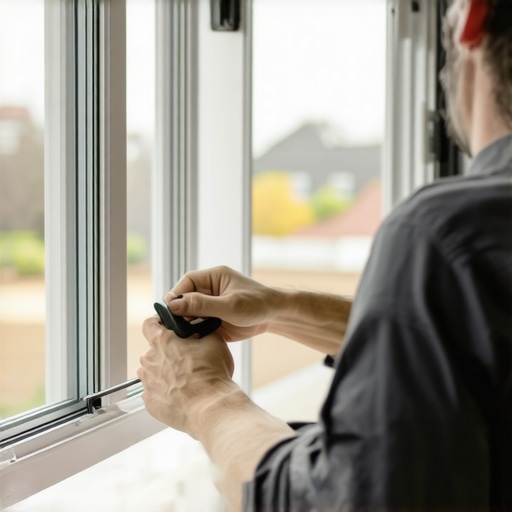
The Frustration of the Frozen Frame
There is a specific kind of frustration that occurs when you try to open a window on the first warm day of spring, only to have the sash remain stubbornly fused to the sill. You pull, you strain, and you hear that ominous creak of wood or the screech of metal on metal. For many homeowners, the immediate reaction is to call a contractor and replace windows entirely, but after twenty-five years in the glazing trade, I can tell you that a stuck sash is often a symptom of a fixable mechanical failure or environmental stress rather than a terminal diagnosis for the unit. A window is a complex system of balances, weatherstripping, and glass designed to manage the boundary between your controlled indoor climate and the chaotic exterior world. When that system fails, it is usually because the tolerances of the rough opening have shifted or the hardware has succumbed to lack of maintenance.
The Narrative of the Condensation Crisis
I recall a specific project in a suburb of Minneapolis during a particularly brutal cold snap. A homeowner called me in a panic because their relatively new double-hung windows were sweating profusely, and now the bottom sashes were frozen shut. They were convinced the units were defective. I arrived with my hygrometer and thermal imaging camera. I had to show them that their indoor relative humidity was hovering at sixty percent while the outside temperature was ten degrees below zero. It was not a window failure; it was a physics problem. The moisture in the air was hitting the glass, which was below the dew point, and turning into liquid water that then leaked into the tracks and froze. This is the reality of the window repair world: often, the window is just the messenger for a larger issue involving vapor pressure and thermal bridging. Before you decide to replace windows, you must understand why they are failing to operate as intended.
“Installation is just as critical as the window performance itself. A high-performance window installed poorly will fail.” – AAMA Installation Masters Guide
Trick 1: The Chemical and Mechanical Track Restoration
The most common cause of a stuck sash is the accumulation of atmospheric pollutants and oxidized lubricants in the tracks. Many people reach for a standard window cleaner, but while that removes surface dirt, it does nothing for the friction coefficient of the sash movement. In 2026, we see more high-performance vinyl and fiberglass frames that utilize tight tolerances for air infiltration ratings. If even a small amount of grit enters the track, it acts like sandpaper against the glazing bead. To fix this, you must first vacuum the tracks thoroughly using a crevice tool. Then, apply a dry silicone spray or a PTFE-based lubricant. Never use oil-based products like WD-40 on window tracks, as they attract dust and eventually turn into a sticky paste that will seize the sash permanently. If the sash is wood, check for paint-bonding, where the previous owner painted over the sash and the frame, effectively gluing them together. Use a specialized tool called a window zipper to carefully break that paint seal without gouging the wood.
Trick 2: Recalibrating the Balance System
If your window opens but refuses to stay up, or if it feels like you are lifting a lead weight, your balance system is the culprit. Modern windows use constant force balances or block-and-tackle systems hidden within the jamb. These are calibrated to the specific weight of the Insulated Glass Unit (IGU). Over time, the springs can lose tension or the friction shoes can crack. To repair this, you must tilt the sash in and remove it from the frame to access the balance covers. Inspect the shim placement behind the jamb liners. If the frame was over-shimmed during the original installation, it might be squeezing the sash, creating excessive friction. Adjusting the tension on a constant force spring can often restore the operable nature of the window without a full replacement. This is technical work that requires understanding the weight of the glass, as a triple-pane unit with a heavy U-Factor rating will require significantly more lift assistance than a standard double-pane unit.
Trick 3: Managing the Rough Opening and Frame Torque
Sometimes a window sticks because the house itself has shifted, causing the rough opening to go out of square. This puts torque on the window frame, turning a rectangle into a trapezoid. When this happens, the sash will bind at the top or bottom corners. You can diagnose this by measuring the window across the diagonals. If the measurements are not identical, the frame is racked. The trick here is not to force the window, but to investigate the shim locations. By carefully removing the interior trim, you can often adjust the shims to relieve the pressure on the frame. This is also the time to inspect the sill pan and flashing tape for signs of water intrusion. If the frame has expanded due to moisture absorption, especially in wood or composite frames, you may need to plane down a small section of the sash to allow for movement, though this should be a last resort as it affects the factory finish and weather seal.
“The moisture management system of a window installation must be integrated with the building’s water-resistive barrier to ensure long-term durability.” – ASTM E2112 Standard Practice
Trick 4: The Physics of Thermal Expansion and Seal Integrity
In cold climates, we are obsessed with the U-Factor, which measures the rate of non-solar heat loss. A window that is stuck during the winter may be experiencing differential thermal expansion. The exterior of the frame is freezing and contracting, while the interior is warm and expanding. This mismatch can cause the weatherstripping to bind. The trick is to inspect the weep holes and the compression seals. If the weep holes are clogged, water backs up into the frame, freezes, and expands, locking the sash in place. Ensure these drainage paths are clear of debris. Furthermore, check the muntin bars and the glazing bead for gaps. If air is leaking past the primary seal, it can cause localized cooling that leads to icing. Replacing worn-out bulb seals or pile weatherstripping with high-performance EPDM gaskets can often make an old window feel and operate like a brand new one. This is a far more cost-effective window repair than a total tear-out, especially if the IGU itself is still intact and the argon gas fill has not dissipated.
The Role of Low-E Coatings in Sash Longevity
When we talk about windows in 2026, we cannot ignore the role of Low-E (Low-Emissivity) coatings. In northern climates, we typically see these coatings on Surface #3, the inward-facing surface of the inner pane of glass. This reflects long-wave infrared radiation back into the room, keeping the glass warmer. A warmer glass surface means less condensation, which in turn means less moisture on the sash and less chance of it sticking or rotting. If you are constantly dealing with stuck windows due to moisture, it may be time to upgrade to a high-performance IGU within your existing frames. This allows you to improve your home’s thermal envelope without the structural disruption of a full frame replacement. Understanding the physics of the solar heat gain coefficient and how it interacts with your local climate is the hallmark of a true glazing professional. We don’t just look at the glass; we look at the entire thermal bridge of the wall assembly.
Conclusion: Precision Over Pressure
A window that does not move is a window that is not doing its job. Whether you are performing a simple window repair or deciding to replace windows throughout your property, the focus must always be on precision. Proper shim placement, clear weep holes, and a deep understanding of the rough opening tolerances are what separate a master installation from a failure. Do not be swayed by high-pressure sales tactics that prioritize aesthetics over engineering. The science of glazing is the science of comfort, and a well-maintained sash is the key to a healthy, energy-efficient home. Keep your tracks clean, your balances tuned, and your seals tight, and your windows will serve you well for decades to come.