The Myth of the Full-Frame Replacement
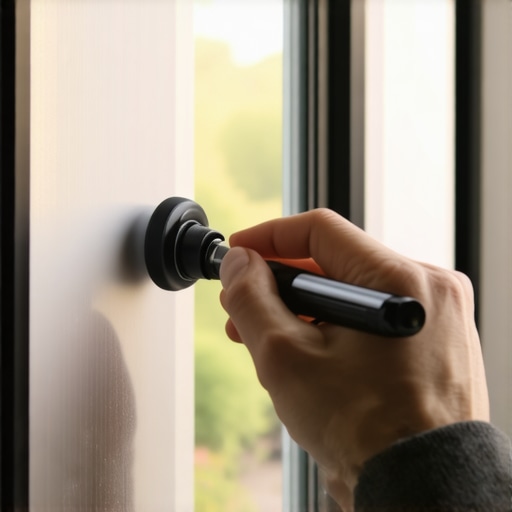
Most homeowners assume that when a window fails—whether it is a fogged pane, a broken seal, or a crack—the only solution is to spend thousands on a full-frame replacement. In my 25 years of glazing, I have seen too many people fall for the ‘Tin Man’ sales pitch where they are told the entire rough opening needs to be gutted. The reality of 2026 home maintenance is far more surgical. By understanding the anatomy of the Insulated Glass Unit (IGU), you can perform professional-grade window repair using a tool that costs less than a sandwich: a heavy-duty vacuum suction cup. This tool is not just for carrying glass; it is the key to manipulating the sash without damaging the delicate glazing bead or the vinyl frame.
I pulled a vinyl window out of a house in a cold northern suburb last winter and the header was completely black with rot. Why? The previous installer relied on the nailing fin instead of proper flashing tape, thinking a bead of caulk would solve everything. The homeowner thought the window was ‘leaking’ air, but the reality was a structural failure caused by poor water management. This is why I advocate for the DIYer to focus on glass-only repairs when the frame is still sound. If the wood or vinyl isn’t soft, you don’t need a new window; you need new glass and the right technique to set it.
“Installation is just as critical as the window performance itself. A high-performance window installed poorly will fail.” – AAMA Installation Masters Guide
The Physics of the North: Why U-Factor Governs Your Comfort
In colder climates like Minneapolis or Chicago, the enemy is heat loss via conduction and radiation. When we talk about window repair in 2026, we are looking at how to maintain the U-factor—the rate at which a window, door, or skylight conducts non-solar heat flow. The lower the U-factor, the more energy-efficient the window is. When you use a suction tool to replace an IGU, you are likely upgrading from a standard clear glass to a unit with a Low-E coating on Surface #3. This specific placement is critical: the coating reflects long-wave infrared radiation (heat) back into the room during the winter. If you were in Phoenix, we would be talking about Surface #2 to keep the heat out, but here, we are fighting the freeze.
A $9 suction tool allows you to handle these dual-pane units with precision. Attempting to pry a sash or a pane out with a screwdriver is the fastest way to create a ‘stress crack.’ A stress crack occurs when there is a thermal gradient across the glass, but it can also be jumpstarted by a tiny nick in the edge of the glass during installation. By using a suction cup, you apply force to the center of the pane’s mass, allowing you to bypass the edge-stress vulnerabilities. This is essential when dealing with argon-filled units where the seal integrity is the only thing standing between you and a foggy window in three years.
The Installation Autopsy: Where Most DIY Repairs Fail
Water on the sill or black mold on the drywall is rarely a problem with the glass itself; it is a failure of the flashing system. When you are performing a window repair, you must respect the ‘Shingle Principle.’ This means every layer of the window assembly must overlap the one below it so that gravity pulls water away from the rough opening. If you are replacing a sash, you must inspect the weep holes. These are the small valves at the bottom of the vinyl frame designed to allow condensation to escape. I have seen ‘professional’ window cleaners and painters plug these holes with silicone, effectively turning the window frame into a bathtub that eventually overflows into the wall cavity.
“The air barrier and water-resistive barrier must be continuous and integrated with the window flashing to ensure long-term performance.” – ASTM E2112 Standard Practice
When you use your suction tool to pull the old glass, take a hard look at the sill pan. A proper sill pan should have a back dam to prevent water from being blown inward by wind pressure. If you don’t see one, this is your chance to retro-fit the opening. Most people skip this because it’s not ‘part of the glass,’ but a glazier knows that the glass is only as good as the hole it sits in. If the rough opening is out of square, you will need to shim the new IGU carefully. Use plastic shims, not wood, as wood will rot when it inevitably encounters the moisture that collects in the glazing pocket.
Step-by-Step: Using the Suction Tool for IGU Replacement
First, identify the glazing bead. This is the strip of vinyl or wood that holds the glass in the sash. Carefully pop the beads out using a stiff putty knife, starting in the middle of the longest strip. Once the beads are removed, the glass is often stuck to the frame with double-sided glazing tape or silicone. This is where the $9 suction tool becomes your best friend. Attach the cup to the center of the glass and pump the vacuum handle until the red line disappears. This gives you a secure handle to pull the glass inward with a steady, even pressure. This is far safer than trying to push the glass from the outside or prying it from the edges, which often results in shattered tempered glass and a trip to the ER.
Once the old unit is out, clean the ‘rabbet’—the L-shaped groove where the glass sits—thoroughly. Any leftover old sealant will prevent the new unit from seating properly, leading to air leaks. Apply a fresh bead of high-grade neutral-cure silicone. Why neutral-cure? Because acetoxy-cure silicone releases acetic acid which can degrade the primary seal of the IGU, leading to premature fogging. Set the new glass using the suction tool, place your shims at the ‘setting blocks’ (usually at the bottom quarters), and snap your glazing beads back in. You have just saved $1,200 by performing a surgical repair instead of a full-frame replacement.
The Math of Comfort vs. ROI
Don’t buy the hype that new windows will pay for themselves in energy savings in five years. The math doesn’t work. If you spend $20,000 on windows to save $200 a year on heating, the ROI is 100 years. However, the ROI on comfort is immediate. Eliminating the draft near your favorite chair and stopping the radiant cold of a single-pane window is why we do this. Using the suction tool for DIY repair allows you to target the failures specifically. If one window is drafty, it might just need a new bulb seal or a sash adjustment, not a trip to the landfill for the whole unit. In 2026, sustainability means repairing what is broken and optimizing the thermal envelope one pane at a time.