The Shift in Fenestration Maintenance: Beyond the Squeegee
For decades, the professional window cleaner relied on the brass squeegee and a bucket of soapy water. It was the industry standard. But as we move into 2026, the technology behind the glass has outpaced the tools of the trade. As a master glazier with a quarter-century in the field, I’ve seen the transition from simple clear-plate glass to complex, multi-layered high-performance IGUs (Insulated Glass Units). The reason the pros are ditching the rubber blade for a $4 static cloth isn’t about laziness; it’s about protecting a multi-thousand dollar investment in your home’s thermal envelope.
The Condensation Crisis: A Master Glazier’s Perspective
A homeowner called me in a panic last November because their new windows were ‘sweating’ on the interior. They were convinced the seal had failed within three months of the window repair and subsequent upgrade. I walked in with my hygrometer and showed them the humidity in their master suite was sitting at 65%. It wasn’t the windows; it was their lifestyle—a lack of ventilation combined with high-efficiency glazing that was doing its job too well. The interior pane, or Surface #4, was so well-insulated that it remained cold enough for the moisture in the air to reach its dew point. When you use a squeegee on these modern surfaces, especially those with specialized coatings, you risk more than just streaks; you risk degrading the very technology that keeps your home efficient.
“Installation is just as critical as the window performance itself. A high-performance window installed poorly will fail.” — AAMA Installation Masters Guide
The Physics of the Static Cloth Hack
Why a static cloth? Modern high-performance windows often feature ‘sputtered’ Low-E coatings. While most of these coatings are on Surface #2 or #3 (inside the gas-filled cavity), many 2026 models utilize a ‘hard coat’ or pyrolytic coating on Surface #4 to achieve ultra-low U-Factors. A traditional squeegee uses a friction-based rubber blade that can trap microscopic particulates. Dragging that debris across a modern coating is like taking sandpaper to a lens. The $4 static cloth works through ionic attraction. By using a dry, electrostatic charge, the cloth lifts dust and carbon soot—the primary components of ‘window grime’—off the surface without the need for mechanical pressure or harsh chemical surfactants that can strip the glazing bead seal or clog weep holes.
The North/Cold Climate Context: U-Factor is King
If you are living in Minneapolis, Chicago, or across the Canadian border, your enemy isn’t just dirt; it’s heat loss. In these climates, we focus heavily on the U-Factor. The lower the U-Factor, the better the window is at keeping heat inside. When you replace windows in the North, we look for triple-pane units with Argon or sometimes Krypton gas fills. Argon is denser than air, which slows down the convection currents within the IGU. This reduction in the Rayleigh number means less heat is transferred from the warm interior pane to the cold exterior pane. This is where the static cloth hack becomes vital: maintaining the integrity of the interior glass temperature without introducing moisture that can lead to localized cooling via evaporation during the cleaning process.
NFRC Standards and Performance Maintenance
Understanding the numbers on your window label is the only way to cut through the marketing fluff. The National Fenestration Rating Council (NFRC) provides the metrics that actually matter. If your window has a high Visible Transmittance (VT) but a poor U-Factor, you’re essentially living in a high-tech greenhouse that will bleed money in January. Maintaining these windows requires a delicate touch.
“The NFRC label is the only way for consumers to reliably compare the energy performance of different window and door products.” — NFRC Performance Guidelines
Identifying Seal Failure vs. Dirty Glass
Before you reach for your static cloth or consider a window repair, you must identify if the ‘dirt’ is actually reachable. If you see fogging, ‘river tracks,’ or calcium deposits that look like they are inside the glass, you are likely looking at a seal failure. This happens when the shim placement was off during installation, causing the frame to torque and the primary sealant (usually PIB or Polyisobutylene) to pull away from the spacer. Once the desiccant inside the spacer is saturated, moisture enters the cavity. At this point, no amount of cleaning will help; the thermal performance of the IGU is compromised, and you are effectively looking at a hole in your insulation.
The Glazing Zoom: Why Surface #3 Matters
In cold climates, we often specify a Low-E coating on Surface #3. To understand this, count the surfaces from the outside in: Surface #1 is the exterior, Surface #2 is the back of the exterior pane, Surface #3 is the front of the interior pane, and Surface #4 is the interior glass you can touch. By putting the coating on Surface #3, we reflect the long-wave infrared radiation (heat) from your furnace back into the room. This keeps the glass warmer, which in turn prevents that ‘drafty’ feeling. Using a static cloth on the interior ensures that you aren’t leaving behind a film of soap residue, which can actually increase the emissivity of the glass surface and reduce the effectiveness of the coating.
Practical Application: How to Use the $4 Hack
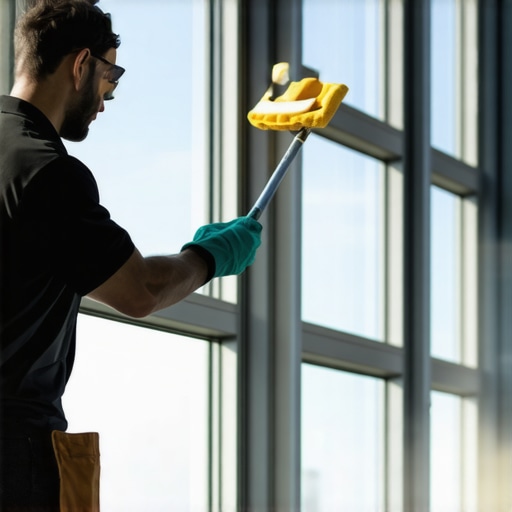
To implement this like a pro, ensure the glass is completely dry. Any moisture will negate the static charge. Start at the top of the sash and move in a consistent ‘S’ pattern downward. Because the cloth is lifting the debris rather than pushing it, you won’t see the characteristic ‘halo’ effect in direct sunlight. If you have a muntin or decorative grid, the static cloth is particularly effective at reaching into the corners where a squeegee blade would inevitably leave a drip. This method preserves the sill pan and flashing tape by avoiding the excessive runoff of water that often leads to rot in the rough opening if the window wasn’t installed with a proper drip cap.
Conclusion: Comfort Over Hype
In the world of 2026 glazing, we don’t buy windows for the way they look; we buy them for the way they feel. A window is a complex thermal bridge. Whether you are performing a full-frame window repair or choosing to replace windows entirely, the goal is a stable interior environment. Ditching the squeegee for a static cloth is a small, technical adjustment that acknowledges the reality of modern materials science. It’s about being a steward of your home’s efficiency. Don’t let a $20 squeegee ruin a $2,000 window. Trust the physics, trust the numbers, and keep your glass clean without the friction.