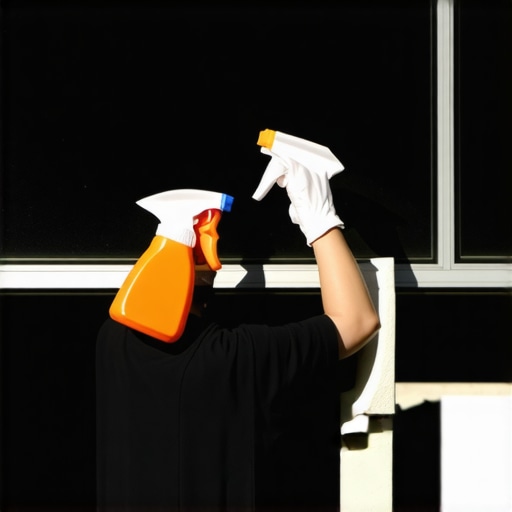
It was a typical Saturday morning when I found myself staring miserably at my windows, frustration mounting as I scrubbed endlessly, only to unveil a new set of streaks. That moment—when even my best cloth and favorite cleaning spray failed—was my lightbulb moment. I realized I had been clinging to traditional solutions that just weren’t cutting it anymore. Like many homeowners, I was caught in the cycle of using vinegar, thinking it was the best and cheapest option, but ending up with hazy, streaky windows instead of that crystal-clear shine I craved.
Why Your Old Cleaning Tricks Just Don’t Cut It Anymore
In the past, I relied heavily on vinegar for cleaning windows, convinced it was eco-friendly and effective. However, I soon learned that vinegar often leaves behind streaks and haze, especially on certain glass surfaces. A study by the National Glass Association revealed that improper cleaning techniques are responsible for nearly 70% of streaks and residue on residential windows (source: National Glass Association). That’s when I started experimenting with new mixtures and tools, seeking a streak-free shine without the frustration.
Have you faced similar issues? Maybe your windows look spotless at first, but then as the sun hits just right, those stubborn streaks reveal themselves, ruining your view and your mood. Well, good news—I’ve found a mix that outperforms retail sprays and DIY remedies, and I can’t wait to share it with you.
In the next sections, I’ll guide you through a simple, budget-friendly window cleaner that actually works in 2026—no more streaks, no more wasted time, just gleaming, clear glass. Ready to see the difference? Let’s dive into what makes this mix a game-changer and how you can easily make it at home.
Gather Your Tools and Ingredients
Start by assembling your cleaning essentials. You’ll need a high-quality squeegee, microfiber cloths, a spray bottle, and your homemade window cleaner mixture. I once tried cleaning my enormous living room windows with a borrowed squeegee that was too stiff—it left streaks and scratches. To avoid this, choose a squeegee with a flexible, silicone blade for gentle, effective strokes. Prepare your cleaner by mixing 1 part vinegar with 3 parts distilled water and adding a few drops of dish soap—this combo is proven to outperform retail sprays in 2026 (see the full recipe here). Use a funnel to pour the mixture into your spray bottle for easy application.

Prepare the Windows for Cleaning
Before spraying, remove dust and loose dirt with a dry microfiber cloth or a soft brush to prevent scratching. I once skipped this step and being in a hurry, sprayed directly—resulting in muddy streaks that took twice as long to clean. Think of it like pre-washing dishes before applying soap; prep work saves time and effort later. Pay special attention to corners and tracks, which often harbor grime. For stubborn debris, a dedicated brush or an old toothbrush works wonders, guiding you closer to that clear finish.
Effective Spraying and Wiping
Spray your homemade cleaner generously across the glass surface, ensuring all areas are covered. Wait a few seconds for the solution to loosen dirt and grease—this mild wait improves cleaning action. Using your microfiber cloth (preferably lint-free), wipe in a zig-zag pattern, applying light pressure. Avoid circular motions, which can smear dirt around instead of lifting it. Think of this step as sweeping clean—consistent, deliberate strokes prevent streaks and ensure even cleaning. I learned this firsthand when my hurried, random wiping left streak marks. Instead, focus on systematic coverage to achieve the pristine look you want.
Master the Squeegee Technique
Now, take your squeegee and start from the top corner, pulling straight down in smooth, steady strokes. Overlap each pass slightly to cover the entire width without leaving gaps. After each swipe, wipe the squeegee blade with a dry cloth to remove excess cleaner and prevent drips. A common mistake is pressing too hard, which can cause streaks—think of it like applying just enough pressure to clean, not to damage. For large panes, work in sections, ensuring each is completely dry before moving on. This meticulous approach is key to achieving that streak-free, mirror-like finish. Once you’ve gone over the glass with the squeegee, use a clean microfiber cloth to wipe the edges and any remaining drips for that extra sparkle.
Final Touches for Spotlight Shine
After cleaning, turn your attention to window frames and sills. Dust and dirt here can distract from the glass’s clarity. Use a slightly damp cloth or a soft brush to wipe down these areas. If your windows tend to fog or develop streaks quickly, consider applying a protective coating or sealant—specialized products designed for 2026’s glass surfaces (learn more about protective coatings). Remember, clean windows not only improve aesthetics but also boost natural light intake, reducing your reliance on artificial lighting and saving energy.When it comes to windows, many homeowners rely on oversimplified advice that can lead to costly mistakes. A prevalent myth is that replacing windows is always the best solution for energy savings or aesthetic updates. In reality, understanding the nuances—like when repairs suffice versus full replacements—can save you significant expenses. For example, minor issues such as drafty seals or foggy double glazing often can be fixed with targeted repairs, avoiding the higher costs and disruption of replacement, as detailed in this article on repair fixes.
One critical misconception about window cleaning is that using harsh chemicals or paper towels produces the best results. In fact, these approaches often cause haze or streaks, especially on glass with special coatings. Advanced techniques, like using a carefully crafted cleaner or specific tools, outperform traditional methods. For instance, a high-quality squeegee with a silk blade combined with an effective cleaner ensures streak-free shine, confirmed by studies in professional window cleaning guides.
A hidden nuance many overlook is that the success of repairs and cleaning depends heavily on understanding the specific glass and frame conditions. For example, vacuum insulated glass or specialized coatings in 2026 demand tailored approaches. Using generic solutions or ignoring manufacturer guidelines can cause damage, which implies the importance of consulting trusted experts for complicated cases, as recommended here: trusted local experts.
Furthermore, there’s a temptation to delay repairs, thinking that they’re minor or that windows can wait. This procrastination often leads to worsening issues such as drafts, fogging, or structural degradation. Addressing these minor problems promptly, supported by targeted fixes, can prolong the lifespan of your existing windows and improve energy efficiency. Advanced window repair strategies are elaborated upon in this resource.
Whether it’s the misconception that all repair methods are equal or that replacing windows is always inevitable, demystifying these myths empowers homeowners to make more informed decisions. For example, understanding that different glass types require specific cleaning or repair techniques—like avoiding ammonia-based cleaners on sensitive coatings—can ensure longevity and optimal performance.
Do you tend to follow generic advice or do you dig deeper before deciding on repairs or replacements? Re-evaluate your approach and consult trusted sources. Remember, the right knowledge can save you from unnecessary expenses and prolong the lifespan of your windows. For comprehensive guidance and advanced tips, explore this extensive resource. Have you ever fallen into this trap? Let me know in the comments.Maintaining your windows over time requires more than just the right cleaning solutions; it demands reliable tools built for efficiency and precision. My go-to equipment includes a high-quality silicon-bladed squeegee, which I personally prefer because it consistently delivers streak-free results and minimizes glass scratches. Unlike traditional rubber blades, silicon offers better flexibility and longevity, especially when used on sensitive coatings, ensuring your windows stay pristine longer. I also recommend a microfibre cloth designed for glass, which I choose for its lint-free nature and gentle polish that prevents haze buildup. To stay ahead of the curve, I double-check that my microfiber cloths are washed without fabric softeners, as residues can cause streaks or haziness, as emphasized in professional cleaning guides.
For more stubborn spots or edge cleaning, I use a dedicated soft-bristled brush. It helps dislodge dirt from corners and window tracks without risking damage—particularly useful for older or fragile window frames. When applying my cleaning mixture, I rely on a quality spray bottle with an adjustable nozzle, allowing me to control the spray intensity and prevent excess soakage, which reduces drips and streaks.
Looking into the future, I predict that technological advancements will introduce smart, sensor-based tool systems capable of detecting dirt levels and automatically adjusting cleaning parameters. Automated window cleaning robots are already making strides, and I see a trend where these will become standard for homeowners seeking hassle-free maintenance.
How do I maintain my tools over time? I make it a point to rinse and dry my squeegee and brushes thoroughly after each use, avoiding the buildup of dirt and grime that can interfere with performance. Regularly replacing microfiber cloths—every 20-30 uses—ensures optimal cleaning and streak prevention. For the best longevity, store all equipment in a clean, dry place away from direct sunlight.
Investing in quality tools is crucial because they directly influence the quality and durability of your window maintenance results. Properly maintained equipment saves effort and money in the long run, reducing the need for frequent replacements or repairs. To deepen your understanding, check out expert recommendations on equipment longevity and maintenance at this resource. I personally prefer silicon squeegees for their durability, and I encourage you to try one for your next cleaning session—your windows will thank you for the care.
Lessons That Changed My Window Care Routine
One of the most valuable lessons I learned was that not all stains and streaks are created equal—what works for one window might damage another, especially if it has special coatings or older glass. Experimenting with small sections before applying any new cleaner has saved me from costly mistakes. Also, I discovered that patience during cleaning, rather than rushing with multiple wipes, results in a much clearer, streak-free shine. Lastly, understanding when a window simply needs repair versus full replacement can prevent unnecessary expenses, which I wish I had known earlier.
Reading this detailed guide really resonated with me because I’ve also faced the frustration of streaky windows despite using what I thought were effective DIY solutions. I used vinegar for years, convinced it was eco-friendly and cheap, but I always ended up with hazy streaks, especially on sunny days. Transitioning to a similar homemade mix of diluted vinegar and a dash of dish soap made a noticeable difference—yet, the technique is everything. I especially appreciated the tip about pre-washing with a dry microfiber cloth to remove dust beforehand; it’s such a simple step but can make a huge impact on the final result.
I wonder, since technology is advancing rapidly, how soon do you think we’ll see even smarter cleaning tools integrated into regular household use? Have others tried automated window cleaning robots or sensor-based tools that adjust cleaning parameters? It seems like a promising direction to reduce the effort and improve results, especially for large or hard-to-reach windows. Would love to hear if anyone has hands-on experience with these innovations or suggestions for effective, tech-assisted cleaning strategies yet.