
Have you ever stood at your window, squeegee in hand, only to be greeted by stubborn water spots that refuse to budge? I remember my own frustration—spraying, wiping, only to see those unsightly streaks and marks reappear the next morning. It was a daily annoyance that made me question whether I was simply destined to live with foggy, stained glass. One rainy morning, after countless failed attempts, I had a lightbulb moment that changed everything. I realized I was using the wrong cleaning approach altogether. That discovery led me down a path of experimentation and learning, ultimately revealing a simple yet powerful hack that can rain-proof your glass and keep those spots at bay—not just for a season, but for good.
Why conventional window cleaning just isn’t enough anymore
The truth is, traditional window cleaning methods often fall short, especially in the face of increasingly unpredictable weather patterns. Rain, combined with mineral deposits from hard water, creates a perfect storm for spot formation. Over time, these spots can etch into the glass, causing permanent damage and requiring costly replacements. An industry study highlights that mineral buildup and improper cleaning techniques accelerate glass deterioration, leading homeowners to fork out a considerable sum for repairs or replacements. It became clear to me that to truly protect my windows, I needed to shift from reactive cleaning to proactive prevention.
Early on, I made the mistake of relying solely on soap and water—an approach I now know is outdated and ineffective. If you want to maintain crystal-clear glass, you need targeted strategies that combat rain-induced spots before they settle. Luckily, recent innovations in window cleaning have introduced simple hacks and products that create a rain-resistant barrier, turning regular maintenance into a long-term safeguard. Want to discover how I transformed my window routine? Stay tuned for the step-by-step solution that keeps my glass spotless, rain or shine.
Have you faced persistent water spots despite regular cleaning?
If so, you’re not alone. Many homeowners struggle with this problem, often wasting time and money on ineffective solutions. But the good news is, there’s a proven method that stops spots before they form, saving you frustration and expense. I’ll walk you through the practical steps—backed by experts—that will help you rain-proof your windows once and for all. Curious to learn more? Let’s dive in and see how easy it can be to keep your glass gleaming, rain after rain.
If you’re eager to discover effective techniques, check out trusted tips on window cleaning and sealing from professionals, which can be found here. Ready to get started? Let’s explore the hack that turned my windows into a streak-free, rain-resistant shield.
,
Apply a Rain-Repellent Coating for Long-Lasting Protection
The first step I took was to purchase a high-quality rain-repellent spray specifically designed for glass surfaces. I remember the day vividly; I carefully cleaned the window with my regular cleaner, then applied the coating using a microfiber cloth, making sure to cover every inch evenly. As I buffed the solution into the glass, I felt a sense of satisfaction, knowing I was creating an invisible shield against rain. This spray causes water to bead up and roll off, significantly reducing water spots and streaks. To ensure the best results, I followed manufacturer instructions precisely, waiting the recommended time before exposing the window to rain, which typically was 24 hours. This step acts like giving your windows a suit of armor—resisting rain’s worst without compromising visibility.
Seal Edges and Gaps to Prevent Water Penetration
Next, I inspected my window frames and sashes for any cracks or gaps where water could seep through. Using a caulking gun and weatherproof sealant, I sealed these vulnerable spots, focusing on areas where drafts or mold appeared, which often indicated leaks. Think of it as patching small holes in a boat: if water can get in, it’ll eventually cause bigger problems. I applied the sealant carefully, smoothing it with my finger for an airtight finish. This step is crucial because even the best rain-repellent coating won’t protect if water bypasses the glass entirely. For stubborn leaks, I recommend these [window repair tests](https://seethruwindow.com/is-your-seal-failing-3-window-repair-tests-for-the-2026-season) to confirm areas needing attention.
Replace Windows That Fail Essential Tests
During my repair process, I carried out a quick test to determine if replacement was necessary. I pressed a dollar bill around the edges; if it slid out easily, I knew the seal was compromised. I also checked for condensation between double panes—it was a sign the seal had failed, hinting at more cost-effective to replace the entire window. For guidance, I visited a trusted resource that helps homeowners decide whether to repair or replace: [here](https://seethruwindow.com/5-smart-glass-tests-to-run-before-you-replace-windows-in-2026). When I found my windows in the critical zone, I opted for professional replacements, ensuring the installation included sealing and insulation for maximum rain resistance.
Apply a Protective Film for Extra Defense
For added security, I applied a thin, transparent protective film to the exterior of my windows. This film acts like a barrier, absorbing the impact of rain, hail, or debris, and prevents scratching or etching over time. I cleaned the window thoroughly, then carefully aligned and smoothed out the film with a squeegee, removing any air bubbles. This layered approach left my windows remarkably resistant to water spots, dirt, and minor abrasions. It’s similar to using a clear armor on your car—protecting the paint ensures a lasting shine and clarity. If you’re interested in different options, professional-grade films can be tailored for maximum durability and ease of maintenance, which can be found [here](https://seethruwindow.com/trusted-window-cleaning-tips-replacing-windows-effectively).
Regular Maintenance for Optimal Results
I’ve learned that consistency is key. Reapplying rain-repellent treatments every year, inspecting and sealing leaks quarterly, and cleaning with gentle, eco-friendly cleaners keeps my windows in top shape. Think of it as maintaining a garden; regular care yields a resilient, pristine surface. When I neglected these steps, water spots returned swiftly. Now, with this straightforward routine, my windows stay spotless for longer, rain or shine. For ongoing advice, professional tips are available [here](https://seethruwindow.com/trusted-window-cleaning-replacement-tips-for-lasting-results-2). By following these actionable steps, you can significantly extend the lifespan of your windows and keep your home shining bright even during heavy rainfall.Many homeowners assume that replacing their windows is always the best solution for issues like foggy glass or drafts, but this isn’t necessarily true. In fact, a thorough assessment often reveals that targeted repairs, such as cleaning or sealing specific parts, can extend the lifespan of your existing windows considerably, saving you money and effort. Conversely, some believe that regular window cleaning alone can resolve all aesthetic issues, but neglecting the underlying problems like seal failures or frame damage can lead to escalating costs over time. It’s crucial to understand the nuanced differences between superficial cleaning and deeper repair needs, as well as knowing when replacement truly makes sense. Experts warn that rushing to replace without proper diagnostics can be a costly mistake—sometimes, a simple fix could have sufficed if only the right tests were performed. This is where advanced understanding of your window’s condition becomes invaluable. For example, performing the recommended [window seal tests](https://seethruwindow.com/is-your-seal-failing-3-window-repair-tests-for-the-2026-season) can reveal hidden issues that aren’t visible to the naked eye. Remember, not all damages are equal, and what appears to be a severe problem might just be a minor repair opportunity. Additionally, many fall prey to the myth that professional repairs are always expensive. In reality, seeking expert advice often uncovers cost-effective solutions like sealing leaks or applying protective coatings, which can prevent more extensive and costly replacements later. Understanding the specific mechanics and composition of your windows enables you to make smarter, more informed decisions. If you’re unsure whether your windows require replacement or repair, consider consulting comprehensive guides or getting a professional evaluation. Recognizing when your window frames are salvageable or when a seal failure warrants replacement can significantly impact your budget and home comfort. As a best practice, regularly testing window seals and inspecting frames for damage helps catch problems early, avoiding unnecessary expenses down the line. So, next time you notice fogged glass or drafts, remember that the solution might be simpler—and less costly—than you think. Want to dig even deeper? Check out the detailed [window repair tests](https://seethruwindow.com/5-signs-you-need-to-replace-windows-before-winter-2026) to identify issues before they escalate. Have you ever fallen into this trap? Let me know in the comments.
How Do I Keep My Windows in Top Shape Over Time?
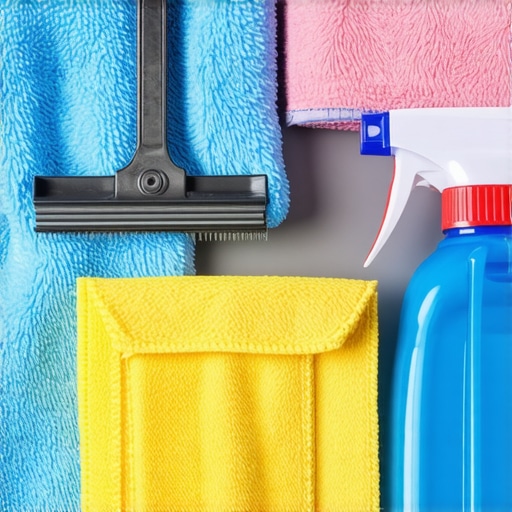
Maintaining your windows isn’t just about occasional cleaning; it’s about using the right tools and establishing a routine that ensures longevity and performance. Personally, I rely on a combination of professional-grade supplies and smart methods to keep my windows functioning properly year-round. One essential tool I swear by is a microfiber cleaning cloth paired with a dedicated window cleaning solution, which removes dirt and prevents streaks. For tougher grime or mineral deposits, I use a plastic scraper with a soft edge to avoid damaging the glass surface. These tools help me achieve a crystal-clear finish without the scratches that paper towels or abrasive pads can cause.
When it comes to protecting the glass from rain and mineral buildup, I recommend applying a high-quality rain-repellent coating. This isn’t just a DIY fad; it creates an invisible barrier that causes water to bead up and roll off, reducing spots and streaks significantly. To apply it effectively, I use a foam applicator and buff the product into the glass in circular motions, ensuring even coverage. Always follow the manufacturer’s instructions for drying and curing times—usually around 24 hours—to get the maximum benefit. Over time, reapplying this coating annually keeps your windows resistant to weather damage, saving you from frequent cleanings or costly replacements.
Sealants are another critical component of good maintenance. I regularly inspect the window edges for signs of wear or cracks. A high-quality, clear silicone caulk is perfect for sealing small gaps and preventing water seepage that can deteriorate your window frame or lead to mold. I choose a product that’s specifically designed for outdoor use and UV resistance, which holds up better against the elements. For larger repairs or damaged frames, calling in a professional for a precise assessment can prevent minor issues from turning into expensive problems. Regular inspections using simple tests like the one described here help me determine whether my windows need deeper repairs or replacement.
For ongoing maintenance, I also invest in a window cleaning robot—an AI-powered device that glides over glass, applying cleaning solutions evenly while avoiding streaks. These gadgets are becoming more affordable and reliable, making it easier than ever to keep windows spotless with minimal effort. Additionally, I recommend scheduling professional inspections at least once a year, especially before winter, to catch issues early. Experts can perform detailed tests to verify seal integrity or detect hidden frame damage, guiding you on whether repairs suffice or if a full replacement is necessary.
Looking ahead, I believe the trend will move toward more smart, self-maintaining window solutions that use nanotech coatings and IoT sensors to monitor glass health in real time. This proactive approach minimizes long-term costs and maximizes window performance.
What’s the Best Way to Keep Your Windows Working Well for Years?
My top tip is to develop a routine: reapply protective coatings annually, conduct seasonal inspections, and use precise tools designed for your window type. By integrating these practices, I’ve managed to extend the lifespan of my windows significantly, avoiding unnecessary replacements. For a deep dive into the latest repair methods and tools, I recommend checking out this detailed guide.
Secrets Nobody Tells You About Window Preservation
One of my most eye-opening revelations was realizing that investing in quality rain-repellent coatings and sealing low-traffic areas early on can prevent costly repairs later. The biggest lesson? Preventive measures are far more effective—and affordable—than reactive fixes. I also learned that understanding your window’s unique needs and performing regular, simple tests can save you from unexpected surprises. Sometimes, those minor cracks or seal weaknesses are the first signs of bigger problems; catching them early gave me peace of mind and extra longevity for my windows.
Furthermore, I discovered that aligning with professionals who prioritize tailored solutions over cookie-cutter fixes ensures durability. Costs can skyrocket if you ignore small issues—think of it as tending a garden; consistent, attentive care fosters resilience. Lastly, the value of a proactive maintenance routine, including reapplying protective coatings annually, cannot be overstated. These insider tips transformed my approach, safeguarding my home’s clarity and inviting me to take control of my window health instead of reacting to problems as they arise.
My Top Picks for Keeping Windows in Prime Condition
- Trusted Rain-Repellent Sprays: I swear by products like [here](https://seethruwindow.com/trusted-window-cleaning-tips-replacing-windows-effectively) for their proven ability to create lasting barriers and reduce water spots.
- High-Quality Sealant Tools: My favorite is a UV resistant silicone caulk, which I apply carefully around frames to prevent leaks. Professional-grade supplies make all the difference.
- Regular Inspection Guides: The simple tests outlined here are my go-to for early detection of seal failures or frame deterioration.
- Innovative Protective Films: Applying these layers has extended my windows’ life, similar to giving them a coat of armor, deflecting rain, debris, and scratches.
Your Next Step to Crystal Clear Windows
Now that you’ve learned these insider strategies, don’t wait for problems to worsen. Take action today to assess, seal, and protect your windows—your home will thank you for it. Remember, each proactive step not only keeps your glass spotless but also adds years to its life, ensuring a clear view for years to come. Are you ready to implement these tips and start transforming your window care routine? Share your thoughts below—I’d love to hear about your experiences or questions regarding window maintenance and repairs.