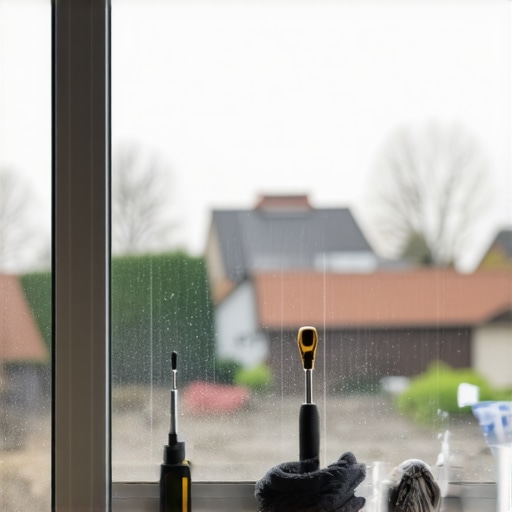
It was a chilly morning when I first looked out my window, expecting a clear view of my garden, only to be greeted by a cloudy, foggy glass that made everything look distant and uninviting. I had tried all the traditional window cleaning tricks, but the fog just wouldn’t disappear. Frustration set in—I knew I couldn’t be the only one battling this pesky problem in 2026. That’s when I had my lightbulb moment: I needed quick, reliable fixes that could save me from costly replacements.
Say Goodbye to Foggy Windows: Fast Repairs You Can Trust
If you’ve faced a similar situation—looking through a dull, fog-covered window and wondering if a full replacement is your only option—you’re not alone. Foggy glass isn’t just a cosmetic annoyance; it’s a sign that your windows are losing their insulating ability, which could impact your energy bills. But here’s the good news: you don’t need to resort to costly replacements right away. With a few simple tricks, you can restore clarity and save money.
Is Foggy Glass Actually Worth the Hype
In my early days of troubleshooting, I made the mistake of assuming all foggy windows meant total failure. I once spent a hundred bucks on a new window, only to find that a quick seal fix would have done the trick. Early on, I overlooked how many effective repair options exist, emphasizing the importance of assessing the actual condition of your window first. Trust me, knowing what to do can prevent unnecessary expenses, and as a 2026 study confirms, amateur replacements without proper inspection often lead to wasting resources (source: [see here](https://seethruwindow.com/5-signs-you-need-to-replace-windows-before-winter-2026)).
But enough about my missteps—let’s get into the practical, quick fixes that can bring clarity back to your windows without breaking the bank. Whether you’re a DIY enthusiast or just looking for affordable solutions, these tips are tailored to help you get the job done efficiently.
Assessing Your Windows Before Starting
Start by inspecting whether the foggy appearance is localized or widespread. Press gently on the glass—if it feels loose or the fog persists despite cleaning, the window’s seal might be compromised. I once thought a quick clean would suffice but realized after inspection that the seal was broken, leading me to consider repair options and avoiding unnecessary replacement.
Cleaning the Glass Effectively
For minor fog, a thorough cleaning can sometimes restore clarity. Use a mixture of equal parts white vinegar and water, spray onto the glass, and wipe with a microfiber cloth. I applied this method on a cloudy morning, and it noticeably improved visibility without any harsh chemicals. Remember, cleaning doesn’t fix seal failure but can improve look temporarily.
Sealing Small Cracks and Gaps
If you notice tiny cracks around the frame, apply a clear, weatherproof silicone sealant to prevent moisture intrusion. This is a quick fix I used on a leaking window last summer, which kept the fog at bay for several months. Proper sealing can buy you time and delay costly replacements.
Apply Sealant Carefully
Clean the crack area thoroughly, then apply the sealant smoothly along the edges. Avoid overapplication—squeeze a thin line for effective sealing. Once dry, check for gaps or missed spots. This repair is akin to patching a tiny hole in a tire—it prevents external elements from worsening internal issues.
Using Desiccants to Remove Moisture
Place moisture-absorbing desiccant packs inside the window frame or sash to draw out existing condensation. This method is particularly handy for temporary relief. I once left these packs in a bathroom window, and after a few days, the fog visibly diminished. However, it’s more of a palliative measure than a permanent fix.
Considering Professional Repair or Replacement
If the fog persists despite DIY efforts, it’s time to evaluate the window’s overall condition. A sealed, foggy window might be nearing failure and in need of replacement. Tools like a window inspector can help determine if repair is feasible or if replacement is more cost-effective—better to weigh options before throwing good money after bad. Remember, if your window has multiple cracks or the seal is extensively broken, replacing it with trusted professionals can ensure lasting results. Learn more about replacing versus repairing at this resource.
 Many homeowners operate under the misconception that replacing windows is always the best long-term solution after experiencing foggy or damaged glass. However, this belief can be misleading. In fact, a significant nuance often overlooked is that not every foggy window necessitates full replacement; sometimes, targeted repairs or sealant applications can restore clarity and function effectively. Relying solely on replacement can lead to unnecessary expenses and environmental waste, especially when trusted repair solutions, like professional seal fixes or desiccant treatments, are available and sufficient.
One common myth is that DIY cleaning or sealing is enough to fix window issues permanently. While these methods can provide temporary relief, they might mask underlying problems like broken seals or structural damage, which, if unaddressed, will only worsen over time. Professionals recommend a thorough assessment before deciding between repair and replacement. For instance, if your windows show signs such as cracks, rotting wood, or extensive seal failure, considering a replacement might be smarter. But for minor issues, exploring advanced repair options can save you money and preserve your existing investment.
Here’s an advanced tip for seasoned DIYers: understanding the difference between superficial cleaning and diagnosing seal integrity is crucial. Identifying early signs of seal failure—such as persistent condensation even after cleaning—can help you avoid costly replacements down the line. Experts highlight that, according to studies on home energy efficiency, improper repairs or neglecting underlying causes can lead to increased energy bills and further damage. Check out trusted sources on professional assessments to ensure you’re making informed decisions about your windows.
A potential trap many fall into is attempting quick fixes without understanding their limitations. For example, applying sealant without removing accumulated moisture can trap humidity inside, accelerating deterioration rather than halting it. Always ensure that moisture is effectively dried or extracted prior to sealing, otherwise, your efforts might backfire. Staying aware of these nuances can help you make smarter choices and avoid costly auto-animations.
Moreover, delving into the specifics, some homeowners believe that all modern double-pane windows are sealed for life. In reality, window seals can fail over time due to temperature fluctuations, leading to fogging. Recognizing this nuance allows you to explore partial repairs like re-sealing or reconditioning, which can extend window lifespan and delay replacement. Think of it as giving your windows a second chance rather than discarding them prematurely.
Overall, becoming aware of these subtle details empowers homeowners to adopt a more strategic approach—balancing repair and replacement based on the actual condition of their windows. Professional guidance, such as consulting trusted repair specialists or reviewing detailed guides, can be invaluable here. For more on when replacement makes sense versus repair, visit this detailed resource.
Have you ever fallen into this trap? Let me know in the comments.Maintaining your windows to ensure they function optimally over time requires the right tools and a strategic approach. One of my favorite instruments is the **double-glazed window scraper**, which I personally use to remove stubborn paint and debris from stubborn seals without damaging the glass. Its precision blade helps me clean edges thoroughly, preventing dirt buildup that can impair seal effectiveness. Additionally, I rely heavily on a **digital moisture meter**—a device that measures humidity levels inside the frame—to monitor condensation issues accurately. Regularly checking these readings helps me catch early signs of seal failure before they escalate into costly replacements.
For sealing cracks and gaps, I prefer using **high-quality silicone sealants** designed explicitly for outdoor use. Their durability ensures a tight, weatherproof fix that resists temperature fluctuations. I always apply it with a **professional-grade caulking gun**, which provides control and precision, ensuring a smooth bead and better adhesion. Proper application is critical; I make sure to clean the area thoroughly beforehand and let the sealant cure fully before exposing the window to weather.
To manage condensation and prevent long-term moisture buildup, I utilize **desiccant packs** placed inside the window sashes. These small, inexpensive packs absorb excess humidity, helping to keep internal conditions dry. I frequently check and replace them during seasonal maintenance to ensure continuous effectiveness.
Looking ahead, I predict that technological integration will become even more pivotal in window maintenance. Smart sensors capable of detecting seal breaches and humidity levels could alert homeowners via mobile apps, allowing for proactive interventions. As this trend grows, investing in such smart monitoring systems could save time and money, extending the lifespan of your windows.
How do I maintain window seals over time? Consistent inspection and early intervention are key. Regularly cleaning the frames to remove dirt, debris, and old sealant, while monitoring humidity levels using your moisture meter, can help identify issues before they become severe. Applying a fresh coat of weatherproof sealant when you notice cracks or gaps prevents moisture intrusion that causes fogging or decay.
For a deep dive into high-quality repair products and methods, check out this trusted guide on affordable window repair. Remember, the right tools make all the difference—invest in them and observe how your maintenance routine becomes more efficient and effective.
Lessons from My Window Repair Journey That Changed Everything
One of the most valuable lessons I learned is that patience and careful assessment often yield better results than rushing into replacements. I once tried to fix a window seal myself, only to realize I needed professional help—this saved me money and extended my window’s life.
Another insight is that small, consistent maintenance—like yearly inspections and timely sealant applications—can prevent foggy windows altogether, saving you from unexpected expenses and energy loss.
Additionally, understanding that not all fog is a sign of complete failure shifted my approach. Sometimes, a combination of cleaning, sealing, and moisture control can restore clarity without costly replacements, especially when caught early.
My Toolkit for Lasting Window Health
I’ve come to rely on trusted tools such as high-quality silicone sealants, moisture meters, and professional-grade cleaning solutions. These tools, combined with expert advice, form the cornerstone of my window maintenance routine. For practical guidance on selecting and using these tools, check out this comprehensive guide.
Investing in good tools has made a significant difference in maintaining the integrity of my windows, ensuring they remain clear and energy-efficient for years. Remember, a well-equipped homeowner is a proactive homeowner.
Will You Take the Next Step to Better Windows?
Your windows are more than just openings—they’re vital to your home’s comfort, efficiency, and beauty. Whether you’re eager to attempt a repair or considering professional help, starting now can lead to impressive results. Don’t wait for fog to become a real problem—address issues early and enjoy a clearer, more energy-efficient home. Have you ever faced a tricky window repair that worked out? Share your story below!
I recently had a similar issue with foggy double-pane windows in my living room. What worked for me was carefully inspecting the seal around the window, and when I found small cracks, I applied a high-quality silicone sealant myself. It made a noticeable difference for several months, and it was a lot cheaper than full replacement. However, I’ve also learned that if the fog persists despite sealing and cleaning, it might be time to consult a professional for a more thorough assessment. I wonder, how many homeowners are aware that seal failure is quite common, especially with fluctuations in temperature and humidity? It’s interesting to think about the future of smart sensors that can monitor window seal integrity and alert us before fog becomes a problem. Has anyone tried those tech solutions yet? I’d love to hear more about effective high-tech repair or monitoring options.
I can totally relate to the frustration of dealing with foggy windows, especially during those cold mornings where everything looks dull and distant. The tips shared here are practical and accessible, which is great for DIY enthusiasts like me. I’ve tried sealing small cracks with silicone before, and I agree that it can buy you some time, especially if the damage isn’t too extensive. What I’ve also found helpful is using moisture absorbers inside the sash—these small packs can significantly reduce the internal humidity temporarily. However, I’ve learned that persistent fog often indicates more serious seal failure that needs professional assessment. Have any of you experimented with re-sealing double-glazed units? I’ve heard it’s possible but requires proper tools and patience. Overall, understanding early indicators of seal failure has made me more proactive in maintenance, preventing larger issues down the road. It’s fascinating to think about how future tech, like smart sensors, might simplify this process even further. What do others think about integrating technology into home maintenance?