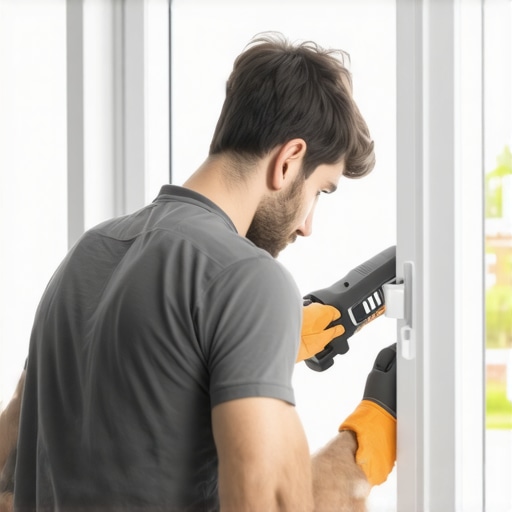
I remember the moment vividly—standing in my living room, trying to open a stubborn window, only to hear that dreaded squeak, followed by the unsettling feeling of the frame refusing to budge. It wasn’t just an annoyance; it was a wake-up call. My window frame was telling me something: it was time for a quick fix before the problem worsened or, worse, forced a costly replacement. That experience made me realize how common—and how frustrating—stuck window frames have become, especially as homes age and climate challenges evolve.
Why Ignoring Stuck Frames Can Cost You Big Time
Left unchecked, a stuck window can lead to energy inefficiency, increased utility bills, and even structural damage. In fact, according to the Department of Energy, poorly maintained windows can account for up to 25% of home heating and cooling costs. That’s money flying out the window—literally—and it’s why tackling this issue promptly is essential. And don’t think you’re alone—many homeowners face the same struggle, often making avoidable mistakes early on that complicate repairs later. For instance, I once tried a DIY fix without proper tools, only to realize I was damaging the frame further. Trust me, learning from those missteps can save you time, money, and frustration.
Is Fixing a Stuck Frame Really Worth the Effort?
Absolutely. Depending on the severity, a quick repair can restore your window’s functionality without the hefty price tag of replacement. Plus, many effective solutions are surprisingly simple and low-cost, especially if you know where to look. I found that a combination of targeted lubrication and careful adjustments can work wonders—sometimes in under 15 minutes. If you’re curious about affordable ways to handle this problem, you might want to explore trusted strategies that local experts recommend, like those outlined in their repair tips for lasting results. The key is to take the right approach; otherwise, you risk making small issues into big headaches.
Now, let’s dive into some proven tactics I’ve used—and refined—over the years. Whether it’s stubborn hinges or warped frames, these four fast window repair methods can save you from costly replacements and keep your home comfortable year-round. Ready to stop your window from sticking and start enjoying seamless operation? Let’s get to it!
Loosen Up with Proper Lubrication
Start by applying a lubricant suited for metal or wood—think of it as giving your window a shot of WD-40 or silicone spray. I once had a stubborn sash that refused to budge; after spraying generously and waiting a few minutes, I gently worked the sash back and forth with a rubber mallet—like persuading a reluctant friend—until it moved smoothly. Use a clean cloth to wipe away excess lubricant to prevent dirt buildup, and avoid over-application which can attract debris. For precise guidance, check out their expert tips.
Adjust Hinges and Tracks for Smooth Operation
If your window hinges are misaligned or tracks are dirty, you’ll notice resistance. To fix this, tighten loose screws with a Phillips screwdriver—imagine tightening a loose bolt on a bicycle. For warped tracks or hinges, gently realign with a pry bar or small hammer, pressing the hinge back into position—be cautious to not damage the frame. Clean departure from dust, debris, and old paint by scrubbing with a stiff brush dipped in soapy water, then rinse and dry thoroughly. A clear, clean track can be like a well-oiled machine, ensuring effortless opening. If you’re unsure about the process, consider consulting local pros.
Address Warping and Frame Damage
Warped wood or vinyl frames are more challenging but fixable. For minor warping, moistening the affected area with a damp cloth covered by a warm iron can shrink warped wood back into shape—it’s like ironing out wrinkles in fabric. Alternatively, using a heat gun on a low setting can help restore warped vinyl, but keep the temperature controlled to avoid melting. For more serious damage, reinforce the frame with wood or vinyl repair kits, available at hardware stores. During my last repair, I used a vinyl patch kit to seal a crack, which restored the frame’s integrity—saving me from an expensive replacement. For detailed instructions, visit this comprehensive guide.
Clean and Seal for Lasting Results
After fixing the mechanical parts, cleaning your window improves its appearance and function. Use a streak-free cleaner—an easy DIY mix is equal parts vinegar and water—to wipe down all glass surfaces, emulating the professional touch I once admired on a neighbor’s spotless window. For stubborn spots or streaks, employ a squeegee with a soft rubber blade—like a razor for glass—and work from top to bottom. Seal the frame with a high-quality caulk if gaps or leaks are present; this step guards against drafts and further warping. Regular maintenance, like monthly cleaning and inspections, keeps your windows performing at their best. If cleaning seems daunting, learn effective techniques from these expert hacks.
Many homeowners believe that replacing an entire window is the only solution when facing persistent issues like drafts, sticking, or fogging. However, this common misconception overlooks the fact that many problems can be effectively addressed through targeted repairs. The myth that all window issues demand full replacement can lead to unnecessary expenses and can even cause homeowners to overlook simpler, more cost-effective solutions. In reality, understanding the nuanced differences between repair and replacement can save you money and extend the lifespan of your current windows.
One frequent mistake is assuming that a stubborn window or foggy glass automatically signifies the need for a full overhaul. While in some cases replacement is valid—especially for severely damaged frames or warped sashes—most problems stem from issues like deteriorated seals, misaligned tracks, or minor warping that can be fixed without the expense of new windows. For example, a broken seal causing condensation between panes is often repairable by resealing or replacing just the glass unit, not the entire window. Learning to differentiate between problems that genuinely require replacement and those that can be repaired is a skill that separates DIY enthusiasts from seasoned professionals.
Make sure you’re not falling into the trap of overestimating repairs, which can lead to patchwork solutions that don’t last. Rushing into a full replacement without a thorough assessment can be costly and unnecessary. A reliable window repair expert can often identify hidden issues—such as minor frame warping or mold growth—that, if addressed early, prevent future problems and improve energy efficiency. For instance, regular cleaning and proper sealing can prevent drafts far more effectively than costly replacement overhauls. To ensure you’re making the right call, check out their trusted repair solutions.
### Are the fixes you’re considering truly final, or just temporary patches?
One advanced nuance often missed involves understanding the long-term impact of repair choices. For example, using subpar sealants or incompatible lubricants might seem like quick fixes but can accelerate wear and lead to more severe issues down the line. Similarly, neglecting minor warping or misalignment can cause frames to degrade faster, making future repairs even more complicated. Professional guidance can help identify whether your current window can be restored to optimal condition or if replacement offers better durability. It’s always wise to consult experienced technicians—who are familiar with modern, energy-efficient window options—that can recommend solutions tailored for longevity and performance. For more insights on avoiding costly mistakes, see their comprehensive repair tips.
Understanding these nuances allows you to approach window issues with a strategic mindset. Remember, the goal isn’t just to fix the problem temporarily but to implement solutions that last. Don’t fall for the trap of assuming replacement is the only answer; instead, assess carefully whether a targeted repair could do the trick—and save you a significant amount of money and hassle. If you’re ever in doubt, consulting a trusted professional can provide clarity. Have you ever fallen into this trap? Let me know in the comments.
How do I maintain my windows over time to ensure they keep functioning perfectly?
The key to prolonging the life of your windows lies in using the right tools paired with a consistent maintenance routine. Personally, I rely on a high-quality cordless rotary tool with a small brush attachment for cleaning hinges and tracks, which allows me to reach tight spots without straining. A flexible plastic putty knife is invaluable for gently prying open sashes or removing old paint without damaging the frame, especially when realigning warped sections.
Alongside physical tools, investing in a digital moisture meter helps me monitor any hidden leaks or dampness that could lead to mold or wood rot. Regularly checking the sealant integrity with a simple light spray around the frame can reveal areas that need resealing before larger issues develop. Over time, these proactive steps minimize costly repairs and keep your windows operating smoothly.
Looking ahead, the trend points toward smarter, self-maintaining window units integrated with IoT technology—think sensors that alert you when seals fail or lubrication is needed. Embracing these innovations now can future-proof your home and reduce the manual labor involved in upkeep. For example, adopting smart monitoring solutions can provide early warnings, saving time and money in long-term maintenance.
What’s the best way to keep window cleaning tools effective and ready for action?
Using specialized window cleaning tools can dramatically improve your results and make maintenance less of a chore. I recommend a squeegee with a channels and a soft rubber blade—my personal favorite is one with an ergonomic grip and a swivel head, which I find allows for maximum control and reach in tricky corners. Pair this with microfiber cloths that are optically pure and non-abrasive, essential for streak-free results. Regularly replacing your cleaning solutions—preferably eco-friendly ones with a vinegar and water base—ensures safe, effective cleaning without streaks or residue.
In the future, I believe the most effective window cleaning will combine traditional tools with automation. Imagine robotic window cleaners with AI that adapt to your window’s shape and dirt level, offering perfect results every time. Until then, maintaining your current tools by rinsing and drying them after each use extends their lifespan and keeps them performing optimally.
If you’re eager to boost your window care routine, try my tip of using a swivel-head squeegee combined with a streak-free cleaning solution. This simple combination packs a punch against grime and ensures your windows shine brilliantly. For expert advice on selecting the right tools, check out their comprehensive repair tips.

The Hardest Lesson I Learned About Window Repairs
One of the most eye-opening experiences I had was realizing that not all window issues require a full replacement; sometimes, a simple targeted repair can save you hundreds of dollars. It took me facing a stubborn, drafty window that seemed beyond hope to understand the importance of proper assessment before proceeding to costly fixes.
Three Myths About Window Fixes That Held Me Back
I used to believe that every window problem meant replacing the entire unit. Over time, I learned that many common issues, like warped frames or seal failures, can be addressed with affordable solutions, avoiding unnecessary expenses and mess.
What Experts Won’t Tell You About Long-Lasting Window Care
Most homeowners overlook regular maintenance, which is crucial for longevity. I discovered that simple routine checks, cleaning, and timely lubrication can significantly extend the lifespan of your windows, ensuring smooth operation and energy efficiency for years.
My Personal Cheat Sheet for DIY Window Fixes
Over the years, I’ve compiled a toolkit that includes a quality silicone spray, a small putty knife, and a microfiber cloth. These tools empower me to tackle minor issues quickly, saving time and money, and giving my home a polished look without waiting for professionals.