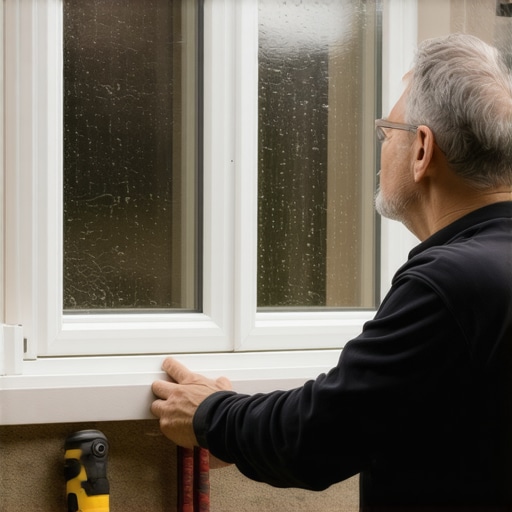
I vividly remember the feeling of standing in front of my old, foggy window on a chilly morning, grasping for the handle only to realize it was more glued shut than operable. That was my lightbulb moment. I thought, “Is it still worth fixing this, or should I just bite the bullet and replace it?” This dilemma isn’t just about aesthetics—it’s about comfort, safety, and saving money in the long run. If you’ve faced similar frustrations, you’re not alone. Many homeowners grapple with that classic question: should I fix my aging windows or replace them altogether?
Why These Signs Shouldn’t Wait
The truth is, the decision often sneaks up on us—little issues turn into big problems before we realize it. That’s why recognizing key signs early can save you a bundle and keep your home running smoothly. Today, I’ll walk you through the top five indicators that your windows are more of a liability than an asset — and how to approach each scenario with confidence. Trust me, I’ve learned the hard way that delaying repairs or replacement can lead to increased energy bills, security risks, and a significant drop in home comfort. For example, I once ignored a small draft in my window, thinking it was minor. It turned out to be a crack that allowed cold air in, effectively turning my anxiety about bills into a reality. As cited by the Department of Energy, poorly insulated windows can account for up to 25% of home heating and cooling costs, making it crucial to assess when a replacement is truly necessary.
Is Replacing Windows Overhyped? Let’s Find Out
Early in my journey, I made the mistake of believing that repair was always the cheaper option. While that’s true in some cases, I learned that blindly fixing windows without considering their age and condition often led to ongoing cycle of repairs. Knowing when to switch gears from repair to replacement is essential. To avoid this pitfall, I recommend checking out resources on affordable solutions for window repair and replacement in 2025. It’s vital to be honest about your window’s condition and consider trusted advice for lasting results. Now, let’s delve into how to spot these telltale signs before they become more costly issues.
Assess the Condition of Your Windows
Start by inspecting your windows for visible damage, drafts, or difficulty opening. I once noticed my window squeaking and feeling stiff; upon closer look, I saw rotted wood framing. Recognize the signs early to prevent further issues. If your windows show signs like cracks, warping, or excessive drafts, it’s time to act.
Conduct a Hands-On Inspection
Remove any curtains or blinds to get a clear view. Check for condensation between panes, which indicates seal failure. Feel for drafts around the frame—if cold air laps your hand, insulation is compromised. Use a flashlight to look for rot or mold. Document these issues to determine if repair can suffice or if replacement is necessary.
Decide Between Repair and Replacement
Evaluate the cost and extent of damage. Minor issues, like dirt buildup or small cracks, can often be fixed with professional cleaning or sealing. Major structural damage or outdated designs lean toward replacement. For instance, I chose to replace a 20-year-old single-pane window after repair attempts failed to improve insulation effectively. Check trusted resources like this guide for decision-making tips.
Prepare Your Workspace
Clear the area around the window. Cover furniture and flooring with drop cloths to catch debris. Wear safety gear—gloves, goggles, and a dust mask. In my experience, a messy clean-up is inevitable; preparation makes it manageable.
Gather Necessary Tools and Materials
For repairs, you may need sealant, putty, or glazing compound. For replacement, acquire a new window matching your opening dimensions, a screwdriver, pry bar, measuring tape, and Level. Double-check measurements to avoid costly errors. I once ordered a window that was too narrow; precise measurements saved me from returning and reordering.
Executing Repairs
If fixing a cracked seal or loose frame, start by removing old sealant with a utility knife. Clean the area thoroughly—use a damp cloth or mild cleaner from recommendations here for tips. Apply new sealant or glazing compound smoothly, avoiding air pockets. For example, I fixed a window frame with new sealant, and it drastically improved insulation, extending the window’s lifespan.
Proceeding to Full Replacement
Remove the old window by unscrewing fasteners and carefully prying it out. Be cautious not to damage the frame if you plan to keep it. Measure the opening precisely and compare with your new window dimensions—allowing for slight expansion gaps. Use shims and a level to ensure proper alignment, then secure the new window with screws. I learned this step the hard way when my first installation was crooked, leading to leaks. For detailed guidance, check expert tips.
Seal and Finish
Once the window is in place, apply weatherstripping around the frame for airtight sealing. Finish with trim or caulk to hide gaps and improve aesthetics. This final touch ensures energy efficiency and enhanced security. Remember, a well-sealed window keeps drafts out and reduces your energy bills, which was evident in my own home retrofit experience.
Final Inspection and Clean-Up
Check that the window opens, closes, and locks smoothly. Remove protective coverings and clean the glass with a recommended [window cleaning](https://seethruwindow.com/affordable-window-cleaning-repair-tips-for-lasting-trust) product. Proper maintenance now will extend the life of your windows and maximize your investment.
Applying these steps systematically ensures a durable and efficient window solution. Whether repairing or replacing, methodical work reduces mishaps and saves money over time.
Many homeowners accept surface-level advice when it comes to window maintenance, but if you think all window cleanings or repairs are created equal, you’re missing critical nuances. A prevalent myth is that all window issues are immediately worth replacing; however, I’ve seen instances where proper expertise decades ago kept windows functional far longer than expected. Conversely, rushing into replacement without thorough assessment can lead to unnecessary expenses. Understanding the hidden nuances of window repairs, the types of mistakes people often make, and how to avoid these pitfalls are essential for true expertise. For example, common belief suggests that window cleaning is purely cosmetic, but professionals know that regular cleaning prevents buildup of mold and enhances the longevity of sealing materials, as detailed in trusted guides. Overlooking this can cause moisture infiltration over time, leading to more costly repairs. It’s also a mistake to assume that DIY always saves money; sometimes, improper sealing or measurements result in leaks, drafts, and energy loss, which I experienced firsthand when trying to retrofit an old window without expert advice. This is why partnering with trustworthy local specialists, or at least gaining knowledge from trusted resources, is crucial. Check out this guide on when repair is better than replacement. Never underestimate the importance of precise measurement and recognizing signs of structural compromise—both key to avoiding costly mistakes. Sometimes, the real hidden nuance is understanding the life cycle of different window materials; for instance, vinyl windows might be more resilient in certain climates compared to wood, which is susceptible to rot if not properly maintained. Experts advocate evaluating not just the visual condition but also the underlying structural and material integrity, aligning with findings from industry research on longevity and durability.
What advanced signs distinguish a window worth fixing from one needing replacement?
Understanding complex indicators, like subtle warping or inconsistent sealing resistance, requires a trained eye—one that considers age, material quality, and environmental exposure. Recognizing these nuances can save you from the trap of unnecessary replacement or costly repairs. It’s about making informed decisions backed by deep knowledge, not assumptions. Have you ever fallen into this trap? Let me know in the comments.
Tools That Make the Difference in Window Maintenance
Staying on top of window upkeep isn’t just about knowing what to do—it’s about having the right equipment at hand. I highly recommend investing in a high-quality, squeegee with a microfiber edge; it ensures streak-free cleaning every time. Additionally, a reliable, multi-bit screwdriver set makes removing and installing hardware straightforward, saving you frustration and time. For sealing gaps and cracks, a professional-grade caulking gun paired with silicone or polyurethane sealant provides a durable, weather-resistant seal, which I personally favor over cheaper options for longevity. When it comes to measuring, always rely on a good-quality tape measure. Precise measurements prevent costly mistakes during replacement and ensure your new windows fit perfectly, reducing future maintenance needs.
In the digital age, software can also be a game-changer. I use a simple home maintenance app to schedule regular inspections and track repairs, keeping windows in prime condition and preventing surprises. Apps like these can send you reminders to check seals or clean frames, which is especially beneficial for those with busy schedules. As trends evolve, integrating smart sensors that monitor humidity and detect leaks can proactively alert you to issues before they escalate. Industry insiders predict that the next few years will see a surge in smart window technology, enhancing our ability to maintain windows efficiently without constant manual checks.
Extending the Life of Your Windows with Consistent Care
Maintenance isn’t a one-and-done affair; it requires a routine. Regularly inspect your windows every few months—look for signs of wear, seal degradation, or accumulating dirt and mold. Prompt attention to these small issues can prevent costly repairs down the line. For example, I routinely clean and re-seal my windows, especially before winter, to enhance energy efficiency and prevent drafts. When cleaning, avoid abrasive materials that could scratch the glass or damage frames—stick with soft cloths and proper cleaning solutions, which you can find summarized in trusted guides like this resource. Maintaining your windows isn’t just about cleaning; it’s about sealing, checking hardware, and ensuring proper functionality to maximize lifespan.
How do I maintain my windows over time?
Implementing a comprehensive maintenance routine is the best way to keep your windows functioning smoothly for years. Schedule biannual inspections to assess seals, hardware, and frame integrity. Use the right tools—like a high-quality caulking gun and soft cleaning cloths—to perform minor repairs yourself, controlling costs and gaining peace of mind. For more complex issues, seeking professional help from trusted providers ensures long-term durability, especially when replacing entire units. Staying proactive with maintenance not only prolongs the life of your windows but also preserves your home’s energy efficiency and comfort. If you want to delve deeper into advanced techniques, consider exploring trusted resources or consulting industry experts. Trying out one of these methods today can significantly improve your window’s performance and save you money over time.
What Unspoken Lessons Did I Discover About Window Repair and Replacement?
- My biggest revelation was realizing that patience and precision often trump quick fixes. Taking the time to properly assess and execute repairs saved me from recurring issues—and money wasted. Rushing often led to leaks or misalignments, which only compounded costs later.
- Understanding the subtle signs of wear, like tiny warps or seal failures, can be the difference between a simple fix and a costly replacement. Trusting that instinct, backed by knowledge, empowers you to make informed decisions rather than reactive ones.
- My mistake was underestimating the importance of high-quality tools and materials. Investing in trusted brands and proper equipment made DIY projects smoother and more successful, reinforcing the value of preparation and quality over shortcuts.
- Collaborating with seasoned professionals, rather than attempting all repairs solo, often results in longer-lasting solutions. Their insights prevent overlooked issues and ensure that your windows serve you well for years.
- Finally, embracing regular maintenance routines, like cleaning and inspection, exponentially increases your windows’ lifespan. It’s a small effort that pays large dividends in comfort, savings, and peace of mind.
Tools and Resources That Changed My Journey
- Trusted cleaning and repair tips: empowering DIY attitudes with proven strategies that save money and time.
- Affordable solutions guide: helping discern when repair is enough and when replacement is the smarter choice.
- Expert replacement techniques: reducing mishaps and ensuring perfect fit and seal every time.
- Reliable local services: a lifeline for complex issues that require a professional touch.
Your Next Step: Embrace the Change
Every window presents an opportunity—to improve your home’s comfort, energy efficiency, and aesthetic appeal. Don’t let hesitation hold you back from making educated decisions. Whether repairing with newfound confidence or opting for the right replacement, taking action today will pay dividends tomorrow. Trust your judgment, armed with knowledge, and watch your home transform. Have you ever hesitated before replacing a window? Share your story below and let’s learn from each other’s experiences!