I remember the exact moment I realized my old, drafty windows were costing me more than just a little inconvenience. It was a cold winter morning, and I was trying to enjoy my coffee when I noticed a strange rattling sound every time I opened or closed the window. That’s when I saw it—small cracks spreading across the glass, and the frame was beginning to warp. I had ignored the signs for too long, thinking I could patch things up myself. But the truth is, those quick fixes only made the problem worse, and I ended up paying much more in the long run.
Why Window Repair and Replacement Matter More Than Ever in 2025
If you’re like me, you might have delayed addressing your window issues, thinking it’s just a minor problem. But the reality is, faulty windows can seriously impact your home’s energy efficiency, security, and overall comfort. According to the Department of Energy, replacing old, inefficient windows can save homeowners up to 15% on heating and cooling costs. That’s a huge chunk of change, especially with energy prices rising. Plus, neglected windows can lead to water damage, mold, and even decrease your property’s value. So, tackling this now isn’t just about curb appeal; it’s about smart, affordable homeownership.
Have You Faced This Frustration?
If you’ve ever dealt with a window that won’t open, leaks that seem to get worse, or just plain old glass that’s seen better days, you’re not alone. I’ve been there, and I know how overwhelming it can feel. The good news? There are trusted, cost-effective solutions out there that can transform your home without breaking the bank. I’ve learned from my own mistakes and from countless homeowners who’ve shared their stories—your windows can be reliable and beautiful again, with the right approach. For practical advice and expert guidance, check out this comprehensive guide.
So, if you’re tired of living with those drafty, cracked, or outdated windows, stay tuned. I’ll walk you through the best steps to make your home more comfortable, energy-efficient, and stylish—without draining your wallet. It’s easier than you think, and I’ll show you how to do it right, the first time.
Assess the Damage and Decide on the Best Course of Action
Start by inspecting your windows carefully. Look for cracks, warping, or foggy glass that indicates the need for replacement. For minor issues like small cracks or loose frames, repair might suffice. But if your windows are outdated or severely damaged, replacing them will save you money long-term. I once found a cracked sash in my living room window, which I initially tried to patch with sealant. However, after a month, the crack widened, and I realized replacement was the better choice. For expert guidance on this process, visit this comprehensive guide.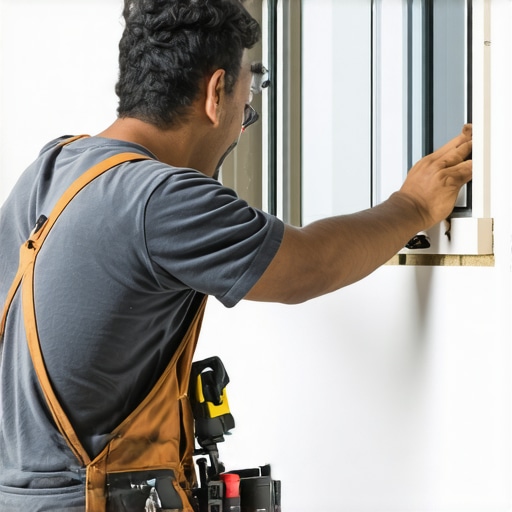
Gather the Necessary Tools and Materials
Ensure you have all the tools ready before starting. You’ll need a screwdriver, pry bar, measuring tape, level, and safety gear. For repairs, a high-quality window sealant or caulk can be useful. For replacements, you’ll need new window units, insulation foam, and possibly shims. I learned this the hard way when I started my project without a proper measuring tape, leading to a mismatch in window size. Always double-check measurements to avoid costly mistakes. For tips on selecting the right materials, check this resource.
Remove the Old Window Carefully
Begin by removing the window sash or the entire window frame if necessary. Use the pry bar to gently loosen the frame from the wall or sash. Be cautious to avoid damaging the wall or surrounding trim. I once underestimated the resistance of old nails, which caused a small crack in the drywall. Taking your time and working slowly prevents damage and makes reinstallation easier. For detailed removal techniques, see this guide.
Prepare the Opening for a New Window
Clean the opening thoroughly, removing old caulk or debris. Check the dimensions and make adjustments if needed. Use shims to ensure the opening is level and square. This step is crucial; a crooked window can cause leaks and operational issues. I once installed a window slightly crooked, which led to water leakage in heavy rain. Precision here ensures longevity. For expert tips, visit this article.
Install the New Window with Precision
Place the new window into the opening, ensuring it fits snugly. Use shims to keep it level and plumb. Secure it with nails or screws, following manufacturer instructions. Check the alignment with a level. I remember my first installation where I overlooked shimming properly, causing the window to stick. Taking your time during installation pays off in the long run. For detailed installation procedures, see this installation guide.
Seal and Insulate for Energy Efficiency
Apply weatherstripping around the frame and seal gaps with high-quality caulk. Proper sealing prevents drafts and water leaks. Insulate around the frame with foam if needed. I once skipped sealing, which resulted in cold drafts during winter, making my home uncomfortable. Proper sealing and insulation improve energy efficiency and comfort. For sealing tips, consult this resource.
Finish and Clean Up
Replace any interior or exterior trim, and clean the glass thoroughly. Use a trusted window cleaner to bring back the shine. I recommend using a streak-free cleaner to achieve a crystal-clear view. A clean window enhances your home’s appearance and ensures the repair or replacement was successful. For expert cleaning tips, visit this page.
Many homeowners operate under misconceptions when it comes to window cleaning, repair, or replacement. Let’s dig deeper into some of the most persistent myths and reveal the nuanced truths that can save you time and money. One widespread fallacy is that all window repairs are cost-ineffective. In reality, understanding the *hidden nuances*—like the difference between repairing minor issues versus full replacement—can dramatically influence your decision-making. For minor damages such as small cracks or foggy glass, expert repair solutions often provide a reliable, budget-friendly alternative to costly replacements, especially if you choose quality services like affordable window repair.
Why do so many think replacing windows is always better?
The myth that replacing windows guarantees better energy efficiency overlooks some critical factors. Modern repairs can restore insulation properties effectively, especially when combined with proper sealing and insulation techniques. For instance, many assume that new windows are the only way to improve home energy efficiency, but strategic repairs and upgrades can often provide comparable results at a fraction of the cost. This is why consulting detailed guides like this expert guide is vital before making a decision.
The trap of underestimating the importance of proper installation
Another common mistake is neglecting the importance of professional installation. Many think that any handyman can replace a window, but improper installation can lead to leaks, drafts, and even structural issues. One of the most overlooked nuances is the precision in measuring and shimming, which ensures a perfect fit and long-term durability. Skipping this step might save money initially, but it can cost you much more in repairs down the line. For a comprehensive overview on avoiding these pitfalls, check this trusted resource.
How can advanced homeowners avoid common mistakes?
Advanced homeowners often seek to understand the subtle interplay between materials, techniques, and timing. For example, choosing the right sealant or insulation foam can make a significant difference in lasting results. Moreover, understanding the environmental conditions and their impact on window materials can prevent premature failure. As noted by industry experts, paying attention to these details—like proper sealing and choosing the right window style for your climate—can extend the life of your investment. For more insights, explore this detailed guide.
Have you ever fallen into this trap? Let me know in the comments. Remember, mastering these nuances can turn a simple window project into a lasting upgrade that enhances your home’s comfort, efficiency, and value.
How do I keep my windows functioning smoothly over time?
Maintaining your windows after repair or replacement is crucial to ensure they stay in top condition and continue to provide energy efficiency, security, and aesthetic appeal. One of my favorite tools for ongoing maintenance is a high-quality silicone-based lubricant. I use it on hinges, locks, and moving parts every six months. Unlike oil-based lubricants, silicone resists dust buildup and doesn’t attract dirt, which keeps your windows operating quietly and smoothly. Regular lubrication prevents squeaks and reduces wear, extending the lifespan of your window hardware.
Another essential item is a reliable weatherstripping kit. Over time, weatherstripping can crack or degrade, leading to drafts or water leaks. I recommend inspecting it annually and replacing it with durable, UV-resistant foam or rubber strips. These materials maintain their flexibility longer and provide a better seal, especially in climates with temperature fluctuations. Proper sealing not only keeps your home comfortable but also reduces your energy bills significantly.
For cleaning and minor repairs, I swear by a streak-free glass cleaner paired with a microfiber cloth. Regular cleaning prevents the buildup of dirt and grime that can cause glass to scratch or become cloudy. When addressing minor cracks or sealant issues, a high-quality, paintable silicone caulk is invaluable. It adheres well, remains flexible, and can be painted over to match your window frame, making repairs discreet and long-lasting.
Looking ahead, I believe the trend will shift toward smarter, more integrated window maintenance systems. Imagine sensors that monitor the condition of seals and hardware, alerting you when maintenance is needed. This proactive approach could prevent small issues from becoming costly repairs. Companies are already experimenting with IoT-enabled window systems that can report leaks or mechanical failures in real-time, streamlining maintenance schedules and reducing home disruption.
What’s the best way to keep your windows in top shape?
In my experience, adopting a routine maintenance schedule combined with the right tools makes all the difference. Start by inspecting your windows at least twice a year—look for signs of wear, leaks, or difficulty opening. Use a good lubricant on moving parts, replace worn weatherstripping, and clean the glass thoroughly. For more comprehensive strategies, check out this trusted resource.
Remember, investing a little time in regular upkeep can prevent expensive repairs later. I challenge you to pick one maintenance tip from this article and implement it today—your windows will thank you!
The Hardest Lesson I Learned About Window Repair and Replacement
One of my most valuable lessons was realizing that rushing through window installation without proper measurements often leads to costly mistakes. I once installed a window slightly crooked, causing leaks and drafts that were frustrating to fix later. Taking the time to measure twice and use shims properly saved me days of headaches and money. This taught me that patience and precision are crucial in window projects.
3 Myths About Window Repair and Replacement That Held Me Back
Many believe that replacing windows always guarantees better energy efficiency. In truth, strategic repairs, sealing, and insulation can restore old windows almost as well as new ones at a fraction of the cost. Also, some think professional installation isn’t necessary—wrong! Proper fitting is vital for durability and performance. Busting these myths opened my eyes to smarter, more affordable options.
What Experts Won’t Tell You About Window Maintenance and Upgrades
Experts often emphasize the importance of ongoing maintenance, like lubricating hinges and replacing weatherstripping. What they might not stress enough is how proactive monitoring—such as installing sensors—can prevent small issues from becoming big problems. I wish I had started using simple tools like silicone lubricants regularly; it extends the lifespan of my windows and keeps them functioning smoothly.
Curated Recommendations for Lasting Results
For reliable guidance, I trust this comprehensive guide for understanding when to repair or replace windows. My toolkit includes a high-quality measuring tape and shims, which are essential for perfect installation. I also rely on trusted repair services that deliver durable results without breaking the bank. Lastly, a streak-free cleaner keeps my windows crystal clear, enhancing their appearance and function.
Your Turn to Take Action
Now that you know the lessons and tools that can make your window projects successful, I encourage you to start with a careful inspection of your current windows. Whether repairing or replacing, the right approach can boost your home’s energy efficiency and comfort in 2025. Don’t wait for small issues to become costly problems—take action today and enjoy the benefits of well-maintained windows.
I really related to the topic of timely window maintenance. I used to ignore small cracks hoping they wouldn’t worsen, but over time, it became clear that a simple repair could prolong the life of the window significantly. I especially resonated with the importance of proper installation—skipping careful measurement and shimming can cause issues down the line, which I learned from personal experience. It’s clear that whether you repair or replace, attention to detail and not rushing the process makes a huge difference. Has anyone tried using smart sensors or monitoring tools for ongoing maintenance? I’ve been curious if these add value or are just more gadgets I don’t need. Overall, investing in routine upkeep and good tools has saved me a lot of headaches, and I’d love to hear how others maintain their windows for the long haul.
Reading this post really hit home for me. I’ve neglected my windows in the past, thinking minor cracks were just cosmetic. But I’ve since realized that small issues quickly turn into big problems—especially during harsh weather. I agree that proper installation is crucial; I once installed a window myself without shimming correctly, and it caused leaks later on. Regular maintenance, like lubricating hinges and inspecting weatherstripping, has made a noticeable difference in the performance of my windows. Has anyone tried installing smart sensors or leak detectors? I’ve been considering these for early issue detection, but I wonder if they’re worth the investment. It seems that combining routine manual checks with some technology could really extend the life of windows and prevent costly repairs. I’d love to hear about others’ experiences with maintenance tech or creative ways they’ve kept their windows in top shape over the years.