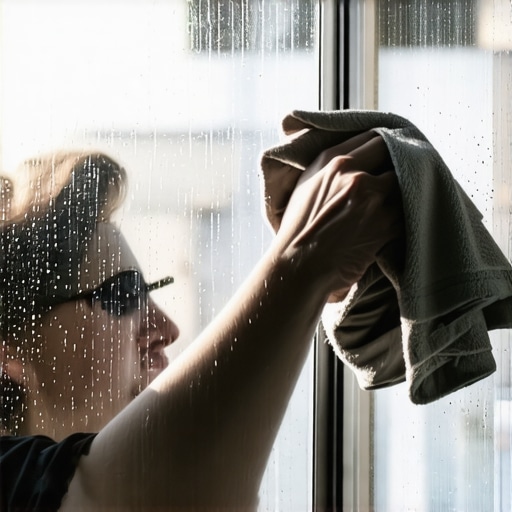
The Ink-Smeared Myth of the Nostalgic Window Cleaner
For decades, homeowners have passed down a piece of cleaning folklore like it was holy writ: “Just use old newspaper and some vinegar to get your windows streak-free.” As a master glazier with a quarter-century of installing, repairing, and maintaining architectural glass, I am here to tell you that this advice is not just outdated—it is actively ruining your modern glass, complicating your window cleaner routine, and hiding systemic issues that actually require professional window repair or a complete decision to replace windows.
When we look at a piece of glass, we are not looking at a perfectly smooth sheet. At a microscopic level, glass is a porous, dynamic silica structure that reacts to temperature, chemical compounds, and physical abrasion. Rubbing raw wood fibers and unstable carbon inks across this surface is the equivalent of taking a microscopic wire brush to your glazing bead and coatings.
The Sales Pitch Takedown: Why the Old-School Advice Fails Modern Physics
I recently sat across a kitchen table from a homeowner who was absolutely convinced that his window cleaner was defective because his glass looked cloudy. He had just spent thousands on high-performance glazing. He told me he used the local Sunday paper and a homemade vinegar solution, just like his grandfather did. I had to break the news to him that he had physically ground petroleum-based black ink and harsh wood-pulp lignin into the micro-cavities of his expensive low-emissivity coatings. He was essentially polishing his state-of-the-art thermal barriers with industrial waste. After showing him the microscopic scratch patterns under a magnifying loupe, the realization hit him: he had permanently hazes the outer surface of his brand-new glass.
“Glass cleaning and maintenance must respect the chemical integrity of both the substrate and any applied pyrolytic or vacuum-deposited coatings. Abrasive materials can permanently degrade thermal performance and optical clarity.” – AAMA Glass Maintenance Association Standards
The Science of the Smear: Why Newspaper Fails
To understand why newspaper is a disaster for modern window glass, we have to look at how both newspaper and glass have changed over the last thirty years. In the past, newspapers were printed using heavy, oil-based inks that contained high concentrations of lead and solvents. While highly toxic, these petroleum inks actually left a very thin, hydrophobic paraffin-like film on the glass. This film temporarily repelled rainwater, creating the illusion of a clean, streak-free shine. It was never actually clean; it was just coated in oil.
Today, publishing houses have transitioned almost exclusively to organic soy-based inks and recycled paper pulp. Soy ink behaves completely differently. It is highly hydrophilic, meaning it binds with water. When you wet a modern newspaper with window cleaner, the soy ink dissolves into a gray, sticky slurry. This slurry is pushed into the rough opening of the glass pores and along the edges of the sash. As it dries, it creates an electrostatic charge that acts like a magnet for airborne dust, pollen, and exhaust particulates. Within forty-eight hours of cleaning your windows with newspaper, they will actually be dirtier than they were before you started.
Furthermore, recycled paper pulp contains tiny, rigid wood fragments and silica contaminants. When dry-rubbed against glass, these fragments cause micro-scratching. Over time, these thousands of tiny scratches catch the morning sun, creating that annoying, blinding white haze that makes it impossible to see outside.
The Anatomy of Glazing: Climate, Low-E, and Why Your Cleaning Method Matters
In cold, northern climates where retaining interior furnace heat is the primary goal, windows are engineered with low-emissivity (Low-E) coatings positioned strategically on Surface #3 (the indoor-facing surface of the double-glazed unit). This microscopically thin layer of silver or metal oxide reflects long-wave infrared energy back into your living room. If you scrub Surface #3 with acidic vinegar solutions and highly abrasive newspaper, you risk stripping or scratching this incredibly delicate metallic barrier.
When these coatings are compromised, your window’s thermal efficiency plummets. It is a slippery slope from a scratched coating to a failed insulated glass unit (IGU). Once the seal is breached, moist indoor air enters the space between the panes, condensing on the cold glass. At that point, no amount of window cleaner will help you; you are looking at a mandatory window repair or the need to replace windows entirely to restore your home’s envelope.
“Any alteration of the glass surface through abrasive cleaning or unauthorized chemical application voids the performance warranty of sealed insulating glass units.” – NFRC Glazing Maintenance Guide
The Master Glazier’s Protocol: How to Actually Clean Glass
If you want clear glass that maximizes visible light transmittance while protecting your investment, you must abandon the newspaper and adopt the tools of professional glaziers. The process is simple, chemical-free, and protects every component from the frame shim to the delicate weep holes.
- Step 1: The Pre-Rinse: Dust and grit are abrasive. Before touching the glass with any cloth, spray it with a light mist of distilled water to suspend surface dirt.
- Step 2: Use Microfiber, Not Pulp: Pure, high-density microfiber cloths (minimum 300 GSM) woven specifically for glass are mandatory. These cloths have split fibers that grab dirt and lock it away from the glass surface, rather than dragging it across.
- Step 3: Neutral Chemistry: Avoid ammonia and heavy vinegars. A single drop of dish soap in a spray bottle of distilled water is all you need. It breaks the surface tension of oils without etching the glass or damaging the vinyl or wood sash.
- Step 4: The Squeegee Method: Use a professional brass or stainless-steel squeegee with a fresh rubber blade. Pull the water down in single, continuous strokes, wiping the blade with a clean cloth after every pass.
If you notice moisture trapped inside the double-pane unit during cleaning, or if water is pooling on your interior sill because your weep holes are clogged with old newspaper pulp, cleaning is no longer your priority. You have a structural failure. In those instances, consulting a professional for window repair or planning to replace windows is the only way to safeguard your home against wood rot and drafts.