The Anatomy of Acoustic Failure in Patio Doors
In my twenty five years of hanging glass and squaring up frames, I have learned one universal truth: a sliding door is essentially a giant acoustic drum. When it starts to squeak, rattle, or whistle, it is not just an annoyance; it is a technical failure of the glazing system. Homeowners often mistake a noisy door for a sign that they need to immediately replace windows, but as a master glazier, I look for the root cause in the mechanics of the track and the physics of the glass itself. Most of these ‘haunted’ doors are suffering from neglected maintenance or poor original installation in the rough opening.
“Installation is just as critical as the window performance itself. A high-performance window installed poorly will fail to meet its acoustic and thermal ratings.” – AAMA Installation Masters Guide
The Sales Pitch Takedown: A Reality Check on ‘Noise-Eating’ Glass
I remember sitting across from a client in a high-rise downtown. They had a high-pressure salesman there who was trying to sell them a specialized acoustic door for twenty thousand dollars, claiming it used a proprietary ‘noise-eating gas’ between the panes. I had to step in. I looked at the homeowner and then at the door. I grabbed my level and showed them that the frame was racked by nearly half an inch. No amount of specialized gas was going to fix a gap you could slide a credit card through at the header. The noise they were hearing was air infiltration, not a failure of the glass. We didn’t need to replace the unit; we needed to pull the trim, re-shim the frame, and replace the worn-out weatherstripping. We saved them eighteen thousand dollars that day. Don’t buy the hype until you’ve checked the structural integrity of the installation.
[IMAGE_PLACEHOLDER]
The Physics of the Grind: Rollers and Tracks
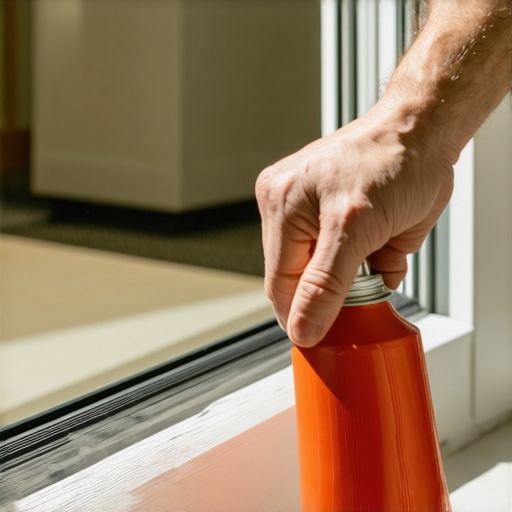
When you hear a grinding noise, you are listening to the death of a bearing. Most sliding doors rely on tandem rollers made of either nylon or steel. In a cold climate like ours, the cycle of expansion and contraction in the rough opening puts immense pressure on these rollers. If the track is dirty, the rollers don’t roll; they slide. This creates a flat spot on the circumference of the wheel. Once that happens, the door will never be quiet again. You aren’t just hearing friction; you are hearing the vibration of a non-spherical object traveling over a 304-grade stainless steel track. To fix this, you must remove the operable sash and inspect the rollers. If they are pitted or flat, a window repair involves swapping them out for high-quality stainless steel bearings that can handle the load. Use a specialized window cleaner on the track first to ensure no silica dust remains to act as an abrasive.
The Whistle and the Weep Hole: Acoustic Air Leaks
If your door whistles when the wind blows from the north, you have an air pressure differential problem. This is where the ‘Glazing Zooming’ becomes critical. A window is a thermal and acoustic envelope. When the interlocker—the part where the two panels meet—doesn’t seat correctly, air rushes through the gap. This creates a Venturi effect, turning your sliding door into a giant flute. This is common in installations where the installer didn’t use proper flashing tape or failed to account for the sill pan’s level. We also have to look at the weep holes. These are designed to let water out of the frame, but if the baffles are missing, they become a direct conduit for sound waves. A quiet door requires functional baffles that allow for drainage without admitting a direct path for exterior noise.
“Proper sealing of the rough opening interface is the primary defense against air infiltration and subsequent acoustic failure in all fenestration products.” – ASTM E2112 Standard Practice
Decoding the Glass: STC vs. OITC
If the mechanicals are fine but you still hear the street traffic, we need to talk about Sound Transmission Class (STC). Standard double-pane glass is actually quite poor at blocking low-frequency noise like truck engines. This is because the two panes of glass are often the same thickness, meaning they vibrate at the same frequency, allowing the sound to pass right through. To quiet this, we look at ‘dissimilar glass’—using a 3mm pane and a 5mm pane. This breaks the sound wave’s resonance. In extreme cases, we use laminated glass, which features a PVB interlayer that acts as a dampener. This is the same technology used in hurricane zones for impact resistance, but it serves a dual purpose as an incredible acoustic barrier. When you replace windows with noise reduction in mind, always ask for the NFRC label to check the U-factor and the OITC ratings.
How to Quiet Your Sliding Door: A Master Glazier’s Checklist
Ultimately, a quiet door is a well-maintained door. If you find yourself constantly reaching for the window cleaner just to get the door to move, or if the ‘clack-clack’ of the rollers is keeping you up at night, it’s time for a professional assessment. Whether it’s a simple adjustment of the shims in the rough opening or a full window repair of the glazing bead and seals, addressing the noise early prevents the need for a premature and costly replacement. Remember, water management and acoustic management go hand-in-hand. If sound is getting in, chances are moisture is too. Keep your tracks clean, your rollers lubricated, and your seals tight.