The Anatomy of a Failed Fenestration Accessory
In the world of high-performance glazing, we often focus on the U-factor of the glass or the air infiltration ratings of the sash. However, the window screen is a critical component of the operable window system, particularly in South/Hot climates where managing the Solar Heat Gain Coefficient (SHGC) through natural ventilation is paramount. A bent aluminum screen frame is more than an eyesore; it is a breach in the building envelope’s defense against pests and can even interfere with the proper seating of the sash against the weatherstripping. I once pulled a vinyl window out of a house in Charleston and the header was completely black with rot because a mangled screen frame had been forced into the opening, distorting the head jamb and allowing water to bypass the flashing tape. The previous installer had relied on the nailing fin instead of proper flashing tape and a dedicated sill pan, and the resulting moisture trap turned a minor screen issue into a five-figure structural repair. This is the reality of neglecting the small details in window repair. When we talk about how to straighten a bent aluminum window screen frame, we are talking about restoring the structural integrity of the entire unit.
The Physics of Aluminum Deformation
Aluminum frames used in residential screens are typically extruded from 6063-T5 alloy. This material is chosen for its excellent strength-to-weight ratio and corrosion resistance, but it has a specific yield point. Once the frame is bent beyond its elastic limit, it enters the zone of plastic deformation. To return it to its original state, we must apply controlled counter-pressure without causing work-hardening, which makes the metal brittle. Most DIY attempts fail because they apply localized pressure that creates a new kink rather than smoothing out the existing bend. In my 25 years of experience, the only way to achieve a factory-flat result is to understand the tension of the screen mesh itself. Often, the frame appears bent because the previous person who performed a window repair used a spline that was too thick or applied too much tension during the screening process, causing the dreaded hourglass effect where the sides bow inward.
“Installation is just as critical as the window performance itself. A high-performance window installed poorly will fail.” : AAMA Installation Masters Guide
The Blueprint for Frame Realignment
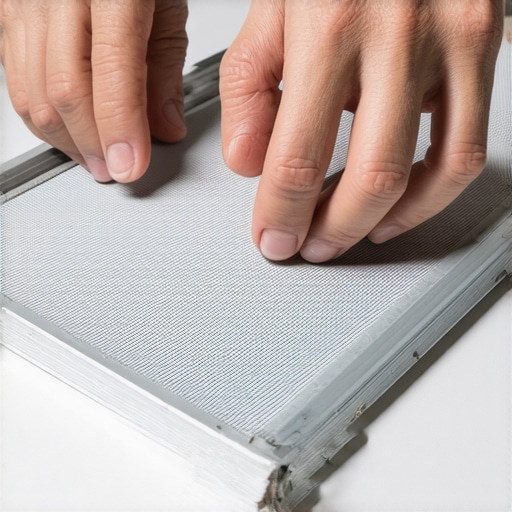
Before you begin the straightening process, you must remove the screen mesh and the vinyl spline. You cannot straighten a frame while it is under the uneven tension of the mesh. Use a small flat-head screwdriver or a specialized spline tool to lift the end of the spline and pull it out of the glazing bead channel. Once the frame is stripped, lay it on a perfectly flat surface, such as a heavy-duty workbench. Identify the peak of the bend. In South/Hot climates, the heat can actually make the aluminum more pliable, so work in a cool environment to maintain the metal’s temper. Place two blocks of scrap wood (softwood like pine is best to avoid marring) on either side of the bend. Place a third block on top of the peak of the bend. Using a C-clamp, slowly apply pressure to the top block. The goal is to over-correct the bend slightly, as the aluminum will naturally spring back once the pressure is released. This is a game of millimeters. If the frame has a sharp kink, you may need to use a rubber mallet to gently tap the wooden block, distributing the force across the extrusion’s profile.
Managing the Weep Hole and Water Management
A common mistake during screen repair is ignoring the relationship between the screen frame and the window’s drainage system. The screen frame must sit flush against the outer stop of the window frame without obstructing the weep hole. If your straightening efforts leave the frame slightly warped, it can create a dam that holds water against the wooden sash or the vinyl frame. In coastal or humid environments, this standing water is the primary cause of premature seal failure in Insulated Glass Units (IGUs). When you are inspecting the screen, take a moment to look at the sill pan. Ensure that the rough opening was properly flashed. If you see signs of water staining on the interior drywall, the bent screen might have been a contributing factor, but the real culprit is likely a failure in the shingle principle of the exterior cladding. As a professional window cleaner will tell you, a screen that doesn’t fit perfectly collects more debris, which eventually clogs the drainage channels of the window.
“The fenestration system must be maintained to ensure the air and water resistance remains at design levels.” : ASTM E2112
The Science of Rescreening without Bowing
Once the frame is straight, the challenge is to keep it that way. This is where most people fail in their window repair journey. When installing new mesh, you must account for the thickness of the spline relative to the channel width. If the spline is too large, it will force the aluminum walls of the channel outward, causing the entire frame to bow. This is especially critical for large operable windows where the span of the aluminum is significant. I recommend using a fiberglass mesh rather than aluminum mesh for residential applications in hot climates because it has more give and is less likely to permanently deform the frame if an object strikes the screen. Start by laying the mesh over the frame and securing it with screen clips or tape. Insert the spline on the two long sides first, but do not pull the mesh tight. The act of pushing the spline into the groove will provide all the tension the mesh needs. A professional glazier knows that the frame should actually have a very slight outward camber before the mesh is installed, so that the tension of the mesh pulls it perfectly straight.
When to Replace Windows vs. Repairing Screens
There is a point of diminishing returns. If the aluminum extrusion has been crushed or if the corner keys are cracked, the structural integrity of the screen is compromised. In these cases, attempting to straighten the frame is a temporary fix. For homeowners considering whether to replace windows entirely or stick with repairs, consider the overall thermal performance of the unit. In southern climates, if your windows are older single-pane units with exterior screens, you are likely dealing with massive solar heat gain. No matter how straight your screen frame is, it cannot compete with the SHGC ratings of modern Low-E coatings on Surface #2 of an IGU. However, if the windows themselves are high-quality and the issues are limited to the screens and minor hardware, a professional window repair is the more sustainable and cost-effective route. Always ensure that the muntin bars, if present, are not interfering with the screen’s seating. A properly maintained window, from the glazing bead to the sill pan, is an investment in your home’s longevity. Don’t let a simple bent screen frame lead to the kind of rot that requires a full-frame tear-out and a total rough opening reconstruction.