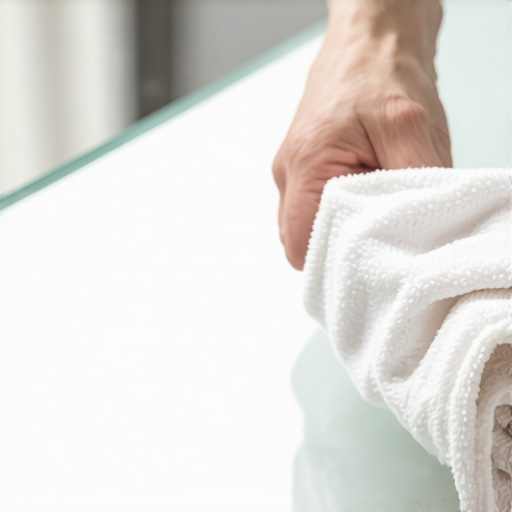
The Microscopic Reality of Glass Surfaces
A glass tabletop is more than just a transparent surface for your coffee mug; it is a meticulously engineered slab of soda-lime or tempered material that manages light and structural integrity. As a glazier with over two decades in the field, I have seen homeowners treat their glass with a level of negligence that would make an ASTM inspector shudder. Most people assume glass is an impenetrable solid, but in the world of high-end window repair and glass maintenance, we view it as a porous, reactive surface. When you see a scratch, you are seeing a fracture in the silicate structure that disrupts the way photons pass through the medium. If that scratch is deep enough to catch a fingernail, you are no longer looking at a polishing job; you are looking at a structural compromise that might require you to replace windows or furniture glass entirely.
A homeowner called me in a panic because their new custom-etched dining surface was ‘sweating’ and looked permanently cloudy in the center. I walked in with my hygrometer and a high-intensity inspection lamp. I showed them that the humidity in the room was 65 percent, and the ‘cloudiness’ was actually a dense network of micro-abrasions caused by using a dry, abrasive cloth to wipe away dust. It wasn’t the glass failing; it was their maintenance protocol. They were essentially sanding their table every morning. This is why understanding the physics of glass is critical before you ever pick up a polishing compound.
The Physics of the Scratch: Why Window Cleaner Isn’t Enough
When dealing with light scratches, the average person reaches for a standard window cleaner and a paper towel. This is a fundamental error. Most retail window cleaners are designed to remove non-polar lipids and dust, but they offer zero lubrication for the mechanical process of polishing. To remove a scratch, you must physically level the surrounding glass to the depth of the valley created by the abrasion. This requires a precise understanding of the Mohs scale of mineral hardness. Glass typically sits between 5.5 and 7 on the Mohs scale. To polish it, you need a medium that is harder than the glass but fine enough not to create new, smaller scratches. This is where Cerium Oxide comes into play. It is the gold standard in the glazing industry for optical clarity restoration.
“Installation and maintenance are just as critical as the window performance itself. A high-performance glass surface neglected or cleaned poorly will eventually fail to meet its aesthetic and structural specifications.” – AAMA Installation Masters Guide
In cold climates like Chicago or Minneapolis, the integrity of your glass surface affects more than just looks. If you have deep scratches on the interior pane of a high-performance window, you are creating turbulence in the thermal boundary layer. While a tabletop doesn’t have a U-Factor in the same way an insulated glass unit (IGU) does, the principle of thermal stress remains. A scratched surface absorbs heat unevenly. If you place a hot dish on a scratched glass table in a cold room, the stress concentration at the site of the scratch can lead to a spontaneous fracture. This is the same reason why we insist on flawless glass during a window repair; any imperfection is a failure point waiting for a temperature swing to exploit it.
The Glazier’s Protocol for Polishing
Before you begin, you must verify the rough opening of your work area and ensure the glass is properly supported. If you are working on an operable sash that you’ve removed for repair, make sure it is laid flat on a non-slip glazing mat. The first step is a decontamination wash. Use a professional-grade, ammonia-free window cleaner and a microfiber cloth to remove every particulate. Even a single grain of sand will turn your polishing attempt into a destructive event. Once clean, perform the ‘Fingernail Test.’ If your nail catches in the groove, the scratch is too deep for DIY polishing and likely requires a professional regrind or you may need to replace windows glass entirely to ensure safety.
For light, ‘spiderweb’ scratches, you will need a low-speed rotary tool, a felt polishing bob, and a slurry of Cerium Oxide. Cerium Oxide doesn’t just abrade the glass; it performs a chemical-mechanical polish. It actually reacts with the glass surface at a molecular level to smooth out the silicate structure. Apply the slurry to the felt bob and work in small, circular motions. Do not stay in one spot for too long. Glass is a poor conductor of heat, and the friction from polishing can create a ‘hot spot.’ In tempered glass, this can lead to an explosive release of internal tension. We call this ‘bowing the glass.’ You must keep the surface cool by misting it with distilled water frequently.
The Thermal Logic of Glass Maintenance
In the glazing industry, we prioritize the U-Factor and Solar Heat Gain Coefficient (SHGC). While these are typically metrics for exterior fenestration, they apply to the longevity of your indoor glass surfaces as well. In northern climates, we want to keep heat inside. A heavily scratched tabletop can actually feel colder to the touch because the increased surface area (caused by the valleys of the scratches) allows for faster convective heat transfer. By polishing the glass back to a mirror finish, you are restoring the original thermal properties of the slab.
“The performance of a glazing system is dependent upon the proper selection of materials and the precision of the surface finish. Surface defects can lead to premature degradation of the glass substrate.” – NFRC Performance Standards
If you are working on a window repair, remember that modern glass often has Low-E coatings. These coatings are typically on Surface #2 or Surface #3. If you attempt to polish a scratch on a coated surface, you will strip the metallic layer, leaving a visible ‘ghost’ or ‘halo’ that is far worse than the original scratch. This is why identifying the glass type is paramount. For a tabletop, you are usually dealing with monolithic glass, which is safer to polish, but always check for any aftermarket films or coatings before starting.
When Polishing Fails: The Reality of Replacement
There is a point where the ROI of polishing becomes negative. If you are spending five hours trying to buff out a scratch on a standard 3/16-inch thick glass top, you are better off calling a specialist to replace windows or tabletop components. In the trade, we look at the ‘Sill Pan’ principle: if the foundation is compromised, the whole system is at risk. A deep scratch is a structural void. If the table is used in a high-traffic area, that scratch will collect skin oils, dust, and moisture, which can eventually lead to ‘glass rot’ or permanent etching that no amount of Cerium Oxide can fix. Proper maintenance involves more than just cleaning; it involves monitoring the glazing bead and the shims if the glass is framed, ensuring that no mechanical stress is being transferred to the glass edges, which are its most vulnerable points. Always ensure that weep holes in window frames are clear, as standing water near the edge of a glass slab can lead to delamination or edge-wicking in laminated safety glass.
Final Professional Advice
Do not buy into the ‘toothpaste hack’ or other DIY myths. Toothpaste contains silica that is often too large and inconsistent in shape, which can lead to further hazing. Stick to industrial materials. If you manage your glass with the same precision we use to set a heavy-duty sash into a rough opening, your surfaces will last a lifetime. Remember, a window or a tabletop is a managed opening in your environment. Treat it with the technical respect it deserves, and it will provide clarity and safety for decades. If the damage is extensive, don’t settle for a ‘caulk-and-walk’ fix; do the job right and consult a master glazier to ensure your home remains a thermally efficient and aesthetically pleasing environment.