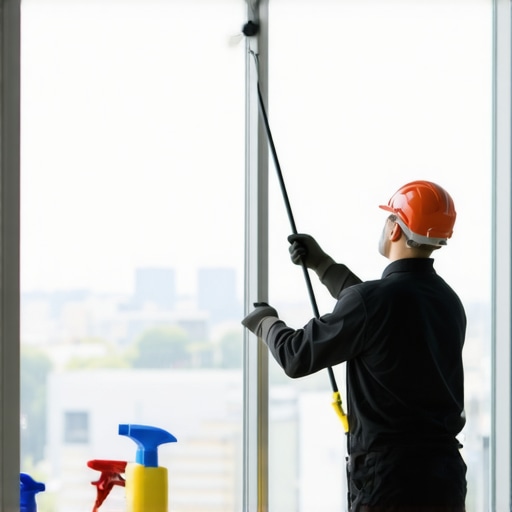
Ever stared at a cracked or foggy window and felt that sinking feeling? I’ve been there too—thinking, “What’s the point of fixing this?” Only to realize later that a proper repair or replacement can transform my home’s vibe and save me serious cash. I remember rushing into a repair without proper tools or tips, only to end up with streaks, leaks, or worse—more damage. That lightbulb moment hit hard: a little knowledge and the right approach make all the difference.
Why Getting Window Repairs Right Matters More Than You Think
Windows aren’t just about pretty views; they’re essential for insulation, security, and even your home’s overall value. Skimping on proper repair or replacement can lead to drafts, higher energy bills, and costly future fixes. According to the U.S. Department of Energy, replacing single-pane windows with energy-efficient options can cut heating and cooling costs by as much as 25%. That’s a huge saving that makes the initial investment worthwhile. But here’s the catch—trying to repair or replace windows without the right tips can turn into a money pit or worse. I learned this the hard way early on, when I attempted a DIY fix, only to realize I didn’t have the proper tools or knowledge. It resulted in a crooked window that leaked every time it rained.
If you’re tired of unreliable fixes or just want your home to look and perform its best, I’ve got your back. Today, we’re diving into proven window repair and replacement tips that will make your next project a breeze and keep your home safe and stylish. Whether you’re a DIY enthusiast or planning to hire professionals, these insights will set you up for success. Ready to stop throwing money away and start making smart fixes? Let’s go!
Is Window Repair Worth the Hassle or Just a Waste of Time?
At first, I was skeptical—thinking, “Is all this really necessary?” Trust me, I made the mistake of overlooking small issues, assuming they’d fix themselves. That was a costly mistake. Early on, I ignored advice that emphasized thorough preparation and proper tools, which led to more problems down the line. Once I started following trusted tips like those found here, I saw how much easier and more durable my repairs became. The key is understanding what works and what doesn’t, and investing in quality supplies. This is especially true when it comes to window replacements, which are critical for your home’s comfort and energy efficiency.
So, if you’ve faced the frustration of incomplete or ineffective repairs, know that you’re not alone. The good news? With the right guidance, you can avoid common pitfalls and do repairs that last. Stay tuned, because next, I’ll share step-by-step advice on how to confidently tackle your window projects, whether DIY or with professionals.
,
Prepare Your Tools and Gather Supplies
Before diving into any window project, assemble all necessary tools—screwdrivers, putty knives, a caulking gun, and safety gear—and ensure you have quality replacement glass or new window units. Think of this step as preparing your cooking ingredients before starting a recipe; a well-stocked kitchen makes the process smoother and more enjoyable.
Remove Old Glass or Window Components Carefully
Start by removing the sash or frame if possible, then gently take out the broken glass or damaged parts. Use a putty knife to loosen old putty and avoid applying excessive force that could crack the frame. I once tried to replace a cracked pane without removing the sash properly, leading to glass shattering and a bigger mess. Taking your time here prevents accidental damage and ensures a clean workspace.
Breaking the Glass Safely
Wear thick gloves and safety glasses. Score the glass with a utility knife to create weak points, then carefully tap it with a hammer to break it into manageable pieces. This method is like cracking a nut—controlled and deliberate, reducing the risk of injury and mess.
Seal and Insulate for Durability
Apply a fresh bead of weatherproof caulk around the edges of the frame before installing the new glass or window. This step is crucial for preventing drafts and water leaks. I learned this the hard way when ignoring sealing, which led to condensation and heat loss. For best results, use high-quality sealants recommended for your climate, and consider adding weatherstripping for extra insulation.
Install the New Window or Glass Correctly
Set the new window or glass into the frame, ensuring it is level and properly aligned. Secure it with screws or clips, following manufacturer instructions. Think of this like fitting a puzzle piece—precision is key. When I replaced my own window, I used a level to double-check the placement, which prevented future issues like sticking or gaps.
Lock It In Place and Finish
Once secured, apply caulk around the perimeter to seal any gaps. Reinstall the sash or frame, then test the window’s operation—opening and closing smoothly. I once skipped sealing the edges, and within a year, I faced drafts again. Proper sealing is your best defense against weather and energy loss.
Final Tips for Long-Lasting Results
Regularly clean your windows with trusted solutions like trusted window cleaning solutions. Schedule periodic inspections to catch early signs of wear. Remember, maintenance extends your investment’s lifespan and keeps your home looking its best. For more comprehensive advice, check out affordable repair tips that save money in the long run.
When it comes to repairing or replacing windows, many homeowners fall prey to misconceptions that can lead to costly mistakes. As an expert in home improvement, I’ve seen these myths persist despite overwhelming evidence to the contrary. Let’s dig deeper into some of the most pervasive misconceptions and shed light on the hidden nuances that can make or break your project.
Myth: All Window Repairs Are Basically the Same
This is a common oversimplification. Not all repairs are created equal, and what works for a small crack may not be suitable for structural issues or energy efficiency upgrades. For example, repairing a foggy double-pane window involves different techniques and materials than fixing a cracked sash. Recognizing these nuances is crucial. Using the wrong approach can result in short-lived fixes or even further damage. For detailed guidance, consider consulting trusted sources like trusted window repair strategies.
Why Skipping Professional Assessment Is a Pitfall
Many homeowners assume that DIY repairs are always cheaper and easier. However, skipping a professional assessment often leads to overlooking underlying issues such as warped frames, compromised seals, or water intrusion. These problems, if left unaddressed, will only worsen over time, costing more to fix later. A professional inspection can reveal hidden problems and recommend the most cost-effective solutions—saving you money and headaches. If you’re unsure, reliable guidance can be found at affordable repair tips.
Are You Overestimating How Long DIY Fixes Will Last?
This is a sneaky trap. Many think that a quick patch will hold for years, but in reality, improper sealing or incorrect installation can lead to recurring issues like drafts or leaks within months. For example, using low-quality caulk might seem like a saving, but it can degrade quickly under weather conditions. The key is understanding that durable repairs require proper materials and techniques—something best learned through trusted advice or professional help. Regular maintenance, including trusted cleaning and repairs, extends your windows’ lifespan, as discussed here.
Have you ever fallen into this trap? Let me know in the comments. Remember, the devil is in the details—knowing the hidden nuances ensures your repairs stand the test of time. Don’t be lured by myths that promise quick fixes; instead, invest in understanding what truly works for your specific situation. Whether you’re repairing a single window or upgrading your entire home, staying informed helps you avoid costly mistakes and achieve lasting results.
Maintaining your windows and ensuring their longevity requires more than just the initial repair. Having the right tools and adopting a consistent maintenance routine can significantly extend the life of your windows and keep them functioning smoothly. Over the years, I’ve refined my toolkit to include specific equipment that makes repairs easier, safer, and more effective. In this guide, I’ll share the tools I recommend and practical tips for keeping your windows in top shape.
Invest in Quality Tools for Precision and Safety
One of the most crucial investments is a reliable cordless electric screwdriver. I prefer models with adjustable torque settings because they provide control when securing or removing screws, preventing damage to frames or hardware. A good-quality putty knife is also essential for scraping old paint or sealant without scratching delicate surfaces. I personally use a flexible, stainless steel blade that allows for precise removal and minimizes the risk of damaging the window frame.
For sealing and insulation, a high-quality caulking gun makes a notable difference. I recommend a model with a ratchet mechanism for better control and less hand fatigue. When applying weatherproof caulk, I use a precision nozzle that helps create smooth, consistent beads, ensuring effective seals. Additionally, a digital level ensures your window is perfectly aligned during installation, preventing future operational issues. I’ve found that investing in reliable tools like these reduces the need for repeat repairs and saves money in the long run.
Maintain Your Windows with Routine Checks and Cleaning
Regular maintenance is key to keeping your windows working properly. I schedule bi-annual inspections to check for cracked seals, loose hardware, or signs of water intrusion. Cleaning your windows with trusted cleaning solutions, such as those recommended here, not only improves appearance but also prevents buildup that can interfere with operation. Use a soft cloth or squeegee to avoid scratches, and don’t forget to clean the tracks and hardware periodically to prevent jamming or sticking.
Applying a light lubrication to moving parts, such as hinges and locks, can prevent rust and ensure smooth operation. For metal components, I prefer a silicone-based spray, which offers long-lasting protection without attracting dust. If you notice any persistent issues, don’t hesitate to consult a professional—sometimes, a quick assessment can prevent costly future repairs.
Looking Ahead: Trends in Window Maintenance
As smart home technology advances, we can expect to see more automated window systems equipped with sensors for sealing and opening. These innovations will likely include integrated maintenance alerts, helping homeowners identify issues early. Staying informed about these trends can prepare you for future upgrades and ensure your home remains energy-efficient and secure.
How do I maintain my windows over time?
The best way to keep your windows in top condition is through consistent inspections, regular cleaning, and prompt repairs of minor issues. Using the right tools, like a precision caulking gun or a digital level, makes the process more effective. Remember, investing in quality equipment and routine maintenance not only prolongs the lifespan of your windows but also enhances your home’s comfort and energy efficiency. For trusted solutions and expert advice, don’t forget to check out this resource.
The Hardest Lesson I Learned About Fixing Windows
One of my biggest lightbulb moments was realizing that rushing into a window repair without proper preparation leads to wasted time and money. I once tried to fix a cracked glass pane with a cheap toolkit, only to end up with uneven seals and a leaky window. That experience taught me that taking my time to understand the nuances of each repair saves headaches later.
3 Myths About Window Repairs That Held Me Back
I used to believe that all window repairs are basically the same, which isn’t true. Different issues require different techniques—what works for sealing a small crack isn’t suitable for replacing a whole sash. Busting these myths early on helped me choose the right methods and avoid costly mistakes.
What Experts Won’t Tell You About Window Maintenance
Many homeowners overlook the importance of routine inspections and high-quality tools. I learned that investing in a good digital level and trusted sealants makes a huge difference in durability. Regular maintenance, combined with expert advice, keeps windows performing their best for years.
My Essential Toolkit for Window Repairs
Trustworthy tools are the backbone of effective repairs. I rely on a cordless electric screwdriver with adjustable torque, a flexible putty knife, and a high-quality caulking gun with a precision nozzle. These tools help me work safely and precisely, ensuring long-lasting results. For more reliable tools, I recommend exploring trusted sources like trusted window repair strategies.
Where to Go from Here
If you’re serious about maintaining your windows’ longevity, start by regular inspections and proper cleaning. Use trusted cleaning solutions found here, and don’t hesitate to seek professional help when needed. Staying proactive ensures your windows stay efficient and beautiful for years to come.
Your Turn to Try
Are you ready to apply these window repair secrets and see the difference? Share your experiences or ask questions below—I’d love to hear your stories and help you succeed in your home improvement journey!