The sound of a rattling window pane is more than just an annoyance that keeps you awake during a storm. It is a technical diagnostic signal that the mechanical bond between the glass and the sash has failed. Most homeowners assume that a noisy window requires a complete tear-out or a messy re-glazing project involving heat guns and linseed oil putty, but that is not always the case. Understanding the physics of fenestration allows us to address the vibration without rebuilding the entire unit. As a master glazier, I look at a window as a dynamic system where the glass, the sash, and the air pressure of the building envelope are constantly in conflict.
The Diagnostic Reality: A Tale of Humidity and Shrinkage
A homeowner called me in a panic because their new windows were sweating and making a rhythmic knocking sound every time the HVAC system kicked on. I walked in with my hygrometer and showed them the humidity was 60 percent. It was not a manufacturing defect in the glass, it was their lifestyle choices and a lack of proper ventilation. In this specific case, the high interior moisture had caused the wood sash to swell during the summer, but as soon as the winter air dried out the home, the wood fibers contracted significantly more than the glass. This created a gap. I explained to them that the glass does not shrink, but the wood does. This mismatch in the coefficient of thermal expansion is what leads to that familiar rattle. When the wind blows against the exterior, it creates a pressure differential. If the glazing bead or the putty is no longer holding the glass tight against the rabbit, the pane will vibrate like a reed in a woodwind instrument.
Understanding the Anatomy of the Rattle
Before we discuss the fix, we must identify the components. The sash is the movable part of the window that holds the glass. The glass is held in place by either a glazing bead (a strip of wood or vinyl) or traditional glazing putty. Inside the sash, the glass sits in a rough opening of sorts, though we technically call it the glazing pocket. If you are dealing with an older single-pane window, the glass is usually held by metal glazing points hidden under the putty. In modern double-pane units, the Glazing Bead is often a snap-in vinyl component. When these components loosen, the glass moves. This movement not only causes noise but also indicates a failure in the air seal, which negatively impacts your U-Factor. A window that rattles is also a window that leaks air, and in cold climates like Minneapolis or Chicago, that air infiltration is a direct hit to your heating bill.
“Installation is just as critical as the window performance itself. A high-performance window installed poorly will fail.” – AAMA Installation Masters Guide
The Physics of Heat and Air Infiltration
In northern climates, the primary enemy is heat loss. We focus heavily on the U-Factor, which measures the rate of heat transfer. A rattling window pane suggests that the warm-edge spacer or the perimeter seal of the glass unit is being subjected to mechanical stress. If the glass is allowed to move, the seal of the Insulated Glass Unit (IGU) is more likely to fail, leading to the loss of Argon or Krypton gas. Once that gas escapes, your energy efficiency plummets. Furthermore, a loose pane allows cold air to bypass the glass entirely, hitting the interior face of the sash and causing the dew point to shift. This is where you see condensation forming on the edges of the glass, which eventually leads to rot in wood windows or mold growth on vinyl frames. Fixing the rattle is as much about thermal management as it is about silence.
The Non-Invasive Fix: Step-by-Step
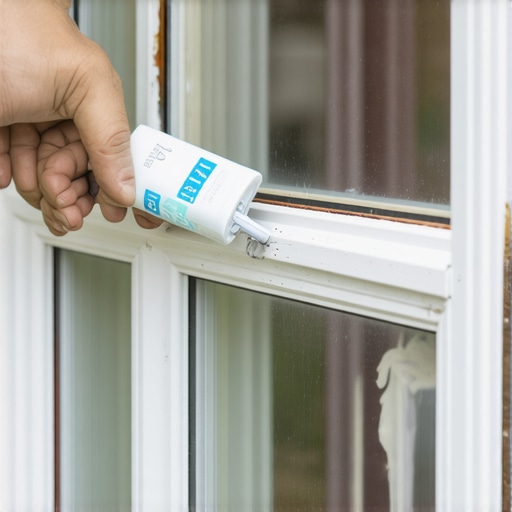
If you want to avoid a full window repair or the cost to replace windows, you can use high-grade materials to stabilize the pane. First, you must clean the area thoroughly. A professional window cleaner knows that dirt and oils prevent adhesives from bonding. Use a denatured alcohol wipe along the perimeter where the glass meets the sash. Instead of removing all the old putty, you can often use a high-modulus clear silicone sealant. This is not a “caulk-and-walk” fix, you are injecting a gasket. Use a small bead of silicone along the interface of the glass and the glazing bead. This acts as a dampener. If the gap is significant, you may need to gently pry the bead back and insert a small plastic shim to provide tension before sealing. This mechanical tension stops the vibration instantly.
“Standard practice for installation requires that windows be shimmed to maintain square, level, and plumb, but the glass itself must also be cushioned from the frame to prevent stress cracks and air leakage.” – ASTM E2112
When to Call a Professional
There are times when a simple stabilization is not enough. If the rattle is accompanied by visible daylight through the frame or if the weep holes are clogged and backing up water into the sill pan, you are looking at a systemic failure. The shingle principle dictates that water must always flow down and out. If the rattling is caused by the entire sash being loose within the rough opening, you likely have a mounting issue where the flashing tape was improperly applied or the original shim points have compressed. In these cases, a simple bead of silicone on the glass will not help. You may need to consider if it is time to replace windows with modern units that feature Low-E coatings on Surface #3 to reflect heat back into your living space during those brutal winter months. Don’t be fooled by high-pressure sales tactics that promise a 100 percent ROI on energy savings, the real value of a window repair or replacement is the restoration of the building envelope and your personal comfort.