The Hidden Drainage System: Why Your Windows Are Not Waterproof
In my twenty-five years as a master glazier, I have seen thousands of homeowners make the same catastrophic assumption: they believe their windows are hermetically sealed units designed to keep every drop of water out. This is a fallacy. An operable window, whether it is a double-hung, slider, or casement, is actually designed to take on a small amount of water during a heavy rain event and then shed that water back to the exterior through an engineered drainage system. At the heart of this system are the weep holes. When these tiny channels fail, the consequences are not merely annoying; they are often structural. I once pulled a fiberglass window out of a house in the damp environment of the Pacific Northwest and the header and subfloor were completely black with rot. Why? The previous installer had ignored the manufacturer instructions and allowed the exterior perimeter sealant to bridge the gap over the weep exits. The water had nowhere to go but into the wall cavity, turning a simple maintenance issue into a five-figure structural repair. This is why understanding the mechanics of a weep hole is critical for anyone performing window repair or considering whether to replace windows.
The Physics of the Weep Hole: Pressure and Surface Tension
To understand why a weep hole clogs, you must first understand why it exists. In a typical vinyl or aluminum extrusion, the glass sits within a glazing bead. This bead is rarely a perfect seal against the glass. During a wind-driven rain, the air pressure on the exterior of the glass pushes water past the bead and into the internal chambers of the frame. This is expected behavior. The frame is designed with an internal sill pan that collects this water. The weep holes are the exit points at the bottom of the exterior frame. However, fluid dynamics play a significant role here. Water has surface tension. In a narrow weep channel, a mixture of organic debris, pollen, and dust can create a slurry that increases the viscosity of the trapped water. If the weep hole is even partially obstructed, the water will not overcome this tension and will remain trapped in the frame. This leads to the oxidation of internal metal reinforcements and the eventual failure of the sash. As an experienced window cleaner will tell you, a surface-level wipe-down does nothing for the internal health of the unit. You must ensure the path from the internal track to the exterior exit is clear of all atmospheric pollutants.
“Installation is just as critical as the window performance itself. A high-performance window installed poorly will fail.” AAMA Installation Masters Guide
Step-by-Step Technical Guide to Clearing Weep Holes
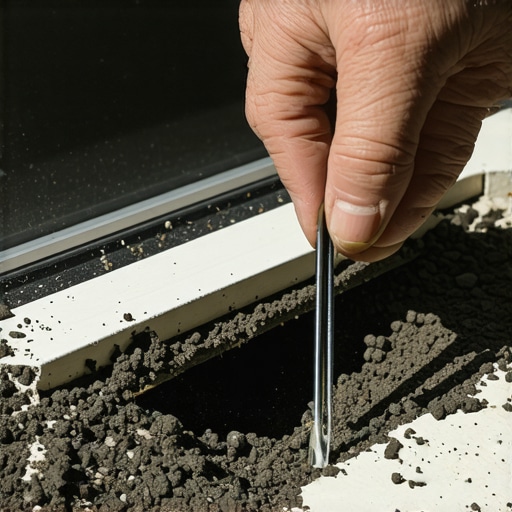
Before you begin, identify the type of weep system you have. Some windows use open slots, while others utilize small plastic flaps called baffles. These baffles are designed to prevent wind from blowing water back into the frame, but they are also magnets for spider webs and small insects. To clear them properly, you need more than just a window cleaner solution; you need a mechanical probe. [image placeholder] Start by opening the operable part of the window. Use a high-suction vacuum with a crevice tool to remove loose debris from the interior track. This is where most clogs begin. Once the track is clean, pour a small amount of water into the track. If the water pools and does not immediately exit through the exterior holes, you have a blockage. Use a thin, flexible object like a zip tie or a piece of heavy-duty weed trimmer line. Gently probe the exterior weep exit, pushing the obstruction back toward the interior where it can be vacuumed up. Avoid using metal wires or screwdrivers that can scratch the finish of the extrusion, as scratches provide a foothold for future mold growth. If the window is part of a rough opening that has settled, you might find that the frame is no longer level. If the sill is back-pitched toward the interior, no amount of cleaning will fix the drainage issue. This is a situation where you must replace windows rather than attempt a repair.
The Shingle Principle and Water Management
Water management in fenestration relies on the Shingle Principle: every layer of the building envelope must overlap the layer below it so that gravity naturally pulls water away from the structure. Within a window frame, the glazing bead acts as the first layer, the internal sill as the second, and the weep hole as the final exit. If you are performing a window repair, you must ensure that the flashing tape and the sill pan are not compromised. I have seen installers use shim blocks that are too wide, which effectively dam up the internal drainage channel. This leads to water overflowing the interior leg of the frame and soaking into the drywall. In colder climates, trapped water in the frame can freeze, expanding and cracking the vinyl or aluminum. This destroys the thermal integrity of the unit and leads to the very drafts homeowners are trying to avoid.
“Water penetration resistance is a primary metric of fenestration performance. Any obstruction to the drainage path as designed by the manufacturer constitutes a failure of the system.” ASTM E2112 Standard Practice
The Cost of Neglect: Repair vs. Replacement
When does a clogged weep hole mean it is time to replace windows? If you have cleared the holes and you still see water infiltration, the problem is likely deeper. Over time, constant moisture in the frame can lead to the failure of the muntin seals or the fogging of the insulated glass unit. If the wood sash or the surrounding rough opening shows signs of soft spots or discoloration, the drainage system has likely been failing for years. Modern fiberglass or composite windows offer much better stability than old-growth wood or cheap vinyl, but even the most expensive window is useless if the weep system is not maintained. Regular inspection by a professional who understands the internal architecture of the frame is the only way to ensure the longevity of your investment. Do not wait for the mold to appear on your baseboards. Clear your weep holes every spring and fall to keep your home dry and your windows functional.