The Sound of Mechanical Distress
When an operable sash emits a piercing shriek or a rhythmic clicking upon opening, most homeowners reach for a can of whatever lubricant they have in the garage. As someone who has spent over two decades in the glazing trade, I find this approach akin to putting a bandage on a compound fracture. A squeaking window isn’t just an auditory nuisance; it is a diagnostic signal that your window’s balance system—the mechanical heart that counteracts the weight of the glass—is experiencing catastrophic friction or misalignment. To understand the squeak, you must understand the physics of the lift. Modern windows don’t just slide; they rely on a complex interplay of stainless steel coils, nylon cords, and friction-reducing shoes housed within the jamb pocket. If your window is squeaking, we are looking at a failure in the mechanical equilibrium established during the initial installation in the rough opening.
The Narrative Matrix: A Humidity and Hardware Crisis
A homeowner called me in a panic last August because their new double-hung windows were ‘screaming’ every time they tried to catch a breeze. I walked in with my hygrometer and found the indoor humidity was hovering at 65%, while the exterior dew point was nearly as high. I showed them that it wasn’t the windows failing; it was a combination of salt-laden air and high moisture that had caused the nylon sash cords in their block-and-tackle balances to swell and rub against the pulley housing. The previous installer had also neglected to clear the construction debris from the sill pan, allowing drywall dust to migrate into the balance channel. This ‘lifestyle and environment’ cocktail had turned a high-end window into a noisy, grinding mess. It wasn’t a warranty issue; it was a maintenance and installation oversight that required a deep cleaning and a specific dry-film lubricant rather than a total window repair.
The Anatomy of the Balance System: Why It Screeches
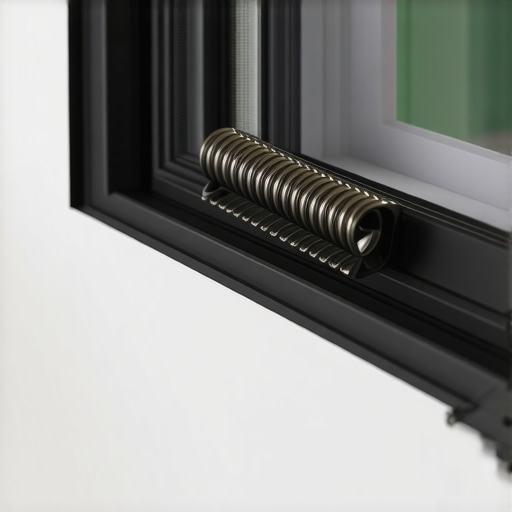
To diagnose a squeak, we must first identify which balance system is buried in your jambs. Most modern vinyl or fiberglass windows utilize a constant force balance. This consists of a stainless steel coil spring—similar to a tape measure—that resides in a plastic housing. When you lower the sash, the spring uncoils. The noise usually originates from the ‘shoe,’ the sliding block that connects the sash to the spring. If the window frame was ‘racked’ or bowed during installation—perhaps because an installer used too many shims or drove a screw too tight—the track becomes compressed. This compression forces the shoe to grind against the jamb walls. We call this ‘binding.’ When the metal coil itself squeaks, it is often due to the loss of factory-applied grease or the intrusion of fine particulate matter. This is why a professional window cleaner often notices these issues before the homeowner; they see the grey streaks of ground-up plastic in the tracks long before the sound becomes unbearable.
“Installation is just as critical as the window performance itself. A high-performance window installed poorly will fail mechanically and thermally long before its rated lifespan.” – AAMA Installation Masters Guide
Thermal Expansion and the Cold-Climate Struggle
In regions like Minneapolis or Chicago, the squeak often becomes more pronounced during the transition from autumn to winter. This is a matter of material science. A vinyl sash has a high coefficient of thermal expansion. As the temperature drops, the vinyl frame contracts at a different rate than the stainless steel spring inside. If the rough opening was tight and the window was installed without proper clearance for this movement, the frame can put a ‘pinch’ on the balance system. In these cold climates, the U-Factor is king, but the mechanical tolerances are what keep the window operable. A triple-pane unit, while excellent for energy efficiency, adds significant weight—sometimes upwards of 50 to 80 pounds for a large sash. This puts immense pressure on the balance. If the warm-edge spacers are doing their job, the glass remains warm, but the hardware in the pocket is still subjected to the cold, leading to condensation inside the jamb. That moisture can lead to flash-rusting of lower-grade springs, which is a primary cause of the ‘grinding’ squeak you hear in January.
The Installation Autopsy: Where the Damage Happens
Often, a squeak is the ghost of a bad installation. If the sill was not perfectly level, or if the installer failed to use a proper sill pan, the entire frame can settle unevenly. When the frame is out of square, the sash is no longer centered in the opening. This means one side of the balance system is working harder than the other. You’ll notice the squeak is louder on the left or right side. If you look closely at the glazing bead or the muntin bars, you might see them slightly askew. This ‘racking’ is the enemy of a quiet window. Furthermore, if the flashing tape was not applied correctly, water can infiltrate the jamb pocket. This doesn’t just rot the wood; it creates a corrosive environment for the balances. A window repair specialist can sometimes swap out the balance, but if the frame is permanently bowed from over-shimming, you might eventually need to replace windows entirely to restore peace and quiet.
“Proper shimming is essential to ensure the window frame remains square, level, and plumb, preventing mechanical stress on operable hardware and ensuring the longevity of the air barrier.” – ASTM E2112 Standard Practice
The Science of Lubrication: Don’t Use WD-40
The biggest mistake I see is a homeowner spraying petroleum-based lubricants into the tracks. This is a death sentence for a window. Petroleum attracts dust and hair, creating a grinding paste that will eventually snap the balance cord or strip the teeth on a crank-out casement. For a quiet, operable sash, you should only use a dry-film silicone or Teflon-based spray. Before applying, use a vacuum with a brush attachment to clear out the weep holes and the balance channels. This is where a professional window cleaner provides value—they remove the abrasive grit that causes the squeak in the first place. If the squeak persists after cleaning, the spring itself may be ‘fatigued’ or the stainless steel has lost its temper. In such cases, the only solution is to identify the weight-code on the balance and perform a mechanical replacement.
The ‘Energy Savings’ Myth and Mechanical Reality
Many salesmen will tell you that new windows will pay for themselves in three years through energy savings. That is a fantasy. The real reason to replace windows is comfort and operability. A window that squeaks and sticks is a window you won’t open. If you aren’t opening your windows for natural ventilation because they are too difficult or noisy to operate, you are losing the primary function of a fenestration unit. When we talk about ROI, we should talk about the ‘Decibel ROI.’ The peace of mind that comes from a sash that glides silently on a perfectly tensioned constant force balance is worth more than the few cents saved on a heating bill. Always ensure your installer understands the shim-to-jamb ratio and check that the weep holes are clear before they leave the job site. Water management and mechanical alignment are the two pillars of a silent window.