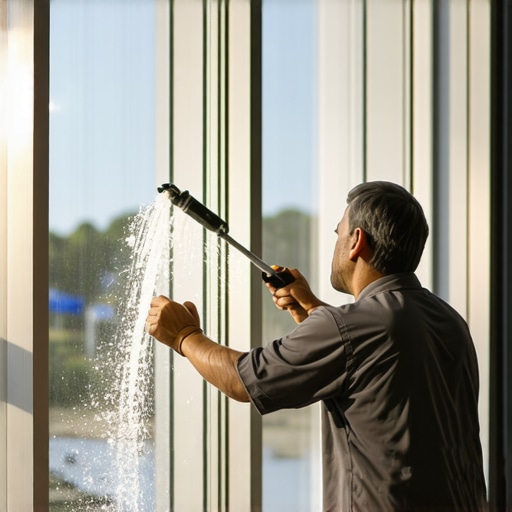
Maintaining the expansive transparency of massive picture windows is not merely an aesthetic chore but a technical preservation of an architectural asset. After twenty-five years in the glazing industry, I have seen every possible failure of glass maintenance, from etched surfaces caused by caustic cleaners to the structural rot that occurs when water is forced into the glazing bead by high-pressure hoses. A picture window is a stationary masterpiece of engineering, often serving as the primary thermal barrier between your conditioned air and the exterior environment. When you look at a window, you should see the view, not the tool marks of a novice. If your cleaning routine leaves behind a hazy film or jagged lines, you are likely fighting the physics of evaporation and surfactant chemistry without the proper technical framework.
The Narrative of the Apparent Failure
I recall a specific instance where a homeowner called me in a panic because their new, high-performance windows were sweating and looked perpetually dirty. I walked into the residence with my hygrometer in hand and observed the massive picture windows in the great room. The owner was convinced the glass was defective or that the window cleaner had used a product that ruined the Low-E coating. I showed them the hygrometer reading of sixty percent humidity. It was not a manufacturing defect, it was a lifestyle issue combined with a lack of proper air movement. They were boiling water for pasta and running a humidifier while the outdoor temperature was plummeting. This moisture was condensing on the cold surface of the glass, trapping household dust and creating a grime that no amount of standard wiping could resolve. It was a lesson in how the internal environment dictates the clarity of the external view. Before you even touch a squeegee, you must understand that the glass surface is a dynamic interface affected by dew point and interior vapor pressure.
“The removal of surface contaminants is essential to prevent long-term degradation of the glass surface. Failure to follow proper cleaning procedures can lead to permanent damage of the glazing and associated framing materials.” – AAMA 609 & 610-15 Cleaning and Maintenance Guide
The Physics of the Streak: Surface Tension and Evaporation
To clean a massive picture window without streaks, you must master the relationship between surface tension and the rate of evaporation. Streaks are essentially the physical remains of minerals and surfactants that were suspended in the cleaning solution. When the water evaporates too quickly, these solids are left behind in a disorganized pattern. This is why the Solar Heat Gain Coefficient (SHGC) of your window is a critical factor in your cleaning schedule. In southern climates where the sun is intense, the exterior surface of the glass can reach temperatures that cause cleaning solutions to flash-dry instantly. If you are trying to clean a window with a high SHGC in direct sunlight, you are fighting a losing battle. The glass will bake the cleaning agent onto the surface before you can execute a single stroke of the squeegee. Professional window cleaners always work on the shaded side of the building to maintain a lower surface temperature, allowing the liquid to remain in a fluid state long enough to be physically removed.
The Technical Toolkit for Massive Panes
Forget the spray bottle and the paper towels. For a window that spans sixty inches or more, you need professional-grade tools that can manage the volume of water required to suspend the dirt. A professional window cleaner utilizes an applicator (a t-bar with a microfiber or synthetic sleeve) and a high-quality squeegee with a fresh rubber blade. The rubber is the most important component. A blade with a nick even a fraction of a millimeter wide will leave a trail of water that turns into a streak. We use what we call the ‘S-stroke’ or the ‘fan’ method, which keeps the water moving toward the uncleaned portion of the glass, eventually directing it to the bottom of the frame where it can be controlled. This method prevents the dreaded ‘dry-line’ streaks that occur when you lift the squeegee off the glass mid-pane.
Trade Cant and Structural Integrity
When you are cleaning, you are also performing a visual inspection of the window’s structural components. You should pay close attention to the glazing bead, the strip of plastic or metal that holds the glass against the frame. If this bead is loose or cracked, water from your cleaning process can enter the glazing channel. A well-designed window will have a weep hole system at the bottom of the frame to allow this water to escape, but if those holes are clogged with debris, the water will sit against the IGU seal. This leads to premature seal failure, which is when you will eventually need to replace windows because of internal fogging. If you notice that the glass is loose within the sash or if there are gaps in the flashing tape around the rough opening during your exterior cleaning, you are looking at a window repair requirement that goes beyond simple maintenance. A window is a managed hole in the wall, and any breach in the water management system will eventually lead to rot in the framing or the sill pan.
“Installation and maintenance are just as critical as the window performance itself. A high-performance window that is improperly maintained or installed will fail to meet its energy and structural ratings.” – AAMA Installation Masters Guide
The Chemistry of the Solution
Professional glazing maintenance rarely involves complex chemicals. We typically use a simple solution of deionized water and a professional surfactant. The goal of the surfactant is to reduce the surface tension of the water, allowing it to sheet off the glass and carry away particulate matter. Ammonia-based cleaners should be avoided on any glass that has an aftermarket tint or certain types of Low-E coatings, as the chemicals can react with the metallic layers or the adhesive. If you have massive picture windows, you likely have a Low-E coating on Surface #2 (for hot climates to reflect solar heat) or Surface #3 (for cold climates to reflect interior heat). While these coatings are typically protected inside the Insulated Glass Unit (IGU), some modern ‘Fourth Surface’ Low-E coatings are exposed to the interior. These require extremely gentle handling to avoid scratching the microscopic metallic layer.
The Professional Swivel and Finish
To achieve a streak-free finish on a massive pane, start by wetting the entire surface with your applicator. This is the ‘Glazing Zoom’ approach: we don’t just wipe, we flood the surface to ensure no dry spots exist. Then, using a squeegee, start at the top corner. Angle the blade so that the water is pushed downward and sideways. Use a lint-free scrim or a high-quality microfiber cloth to ‘detail’ the edges. This means wiping the very perimeter where the glass meets the glazing bead. This prevents the capillary action of the water from pulling hidden dirt out from under the frame and onto your clean glass. If you encounter stubborn spots like bird droppings or tree sap, do not use a metal razor blade unless the glass is fully lubricated. On tempered glass, using a blade can result in ‘fine-scratches’ because of the presence of fabrication debris or ‘glass fines’ that are characteristic of the tempering process.
Conclusion: Maintenance as a Diagnostic Tool
Cleaning your massive picture windows is the best way to monitor the health of your home’s envelope. As you move your squeegee across the surface, you are listening for the sound of the blade, which can tell you if there are mineral deposits or ‘tin-side’ residues that need attention. You are looking for the integrity of the sash and the functionality of the weep system. If you find that no matter how clean you get the glass, there is still a haze that you cannot reach, it is time to face the reality of seal failure. At that point, no window cleaner in the world can help you, and you must look into window repair or decide to replace windows to restore your home’s thermal efficiency and clarity. Proper care today ensures that your view remains unobstructed and your energy bills remain manageable for decades to come.