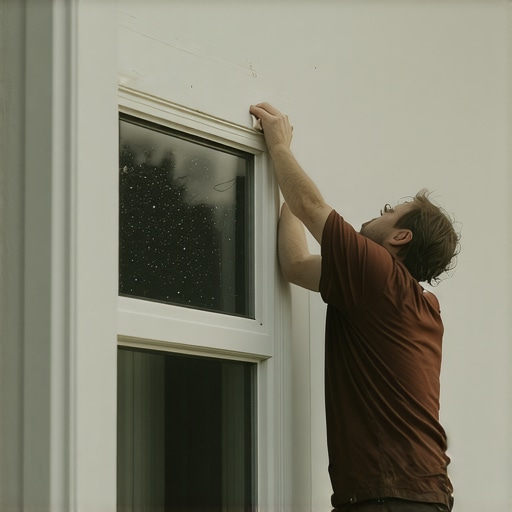
The Anatomy of a Rattle: Why Your Windows Struggle Against the Wind
The sound of a rattling window during a gusty night is more than just a nuisance; it is the audible signature of a failing thermal envelope. As a glazier who has spent nearly three decades diagnosing fenestration failures, I can tell you that a window should be a silent sentinel. When it chatters, it means there is a physical gap where there should be compression. This movement often indicates that the sash is no longer seated firmly against the weatherstripping or that the structural integrity of the unit has been compromised by age or poor installation.
The Installation Autopsy: A Case Study in Structural Neglect
I recall a project in a coastal neighborhood where the homeowner was convinced their glass was about to shatter every time a storm rolled in. I pulled a vinyl double-hung unit out of the rough opening and found a disaster. The previous installer had skipped the shim process entirely, relying solely on the nailing fin to hold the weight of the unit. Without proper shimming at the meeting rail and the midpoints of the jambs, the frame had bowed outward over time. This created a gap between the sash and the frame that no amount of window repair could fix without a full structural reset. The wind was hitting the glass, pushing the sash into a void where it should have been meeting a solid stop. This is why I always tell homeowners that even the most expensive unit is only as good as the technician who levels, squares, and secures it.
“Installation is just as critical as the window performance itself. A high-performance window installed poorly will fail to meet its laboratory-tested ratings for air infiltration and structural stability.” – AAMA Installation Masters Guide
When we talk about silencing a rattle, we are talking about air infiltration management. In northern climates where heat loss and condensation are the primary enemies, a rattling window is also a massive energy leak. The U-Factor of your window—the rate at which it loses non-solar heat—is completely undermined if the air is bypassing the glass entirely through a loose sash. To replace windows with high-efficiency triple-pane units only to have them installed loosely is a waste of capital.
The Physics of the Rattle: Positive and Negative Pressure
Windows rattle because of the pressure differential between the interior and exterior of your home. During a windstorm, the windward side of your house experiences positive pressure, pushing the sash inward. Conversely, the leeward side experiences negative pressure, pulling the sash outward. If the glazing bead is loose or the weatherstripping is compressed beyond its memory, the sash will vibrate within the frame. This vibration is what you hear. It is the sound of the window failing to maintain a seal.
Immediate Field Fixes for the Homeowner
If you are in the middle of a storm and need to silence the noise immediately, you must address the lack of compression. First, check the locks. A high-quality cam-action lock does not just keep intruders out; it pulls the sash into the meeting rail to create a weather-tight seal. If the lock is loose, the seal is broken. Temporary relief can often be found by inserting a small wedge of foam or even a folded piece of cardboard into the channel where the sash meets the frame, though this is a bandage, not a cure.
For a more permanent window repair, you must inspect the weatherstripping. Most modern windows use a bulb seal or a pile weatherstrip. Over a decade, these materials lose their resiliency. Replacing old, flattened weatherstripping with new, high-density pile can provide the necessary resistance to stop the sash from moving under wind load. Ensure the weep hole is clear as well; while it won’t stop a rattle, a clogged weep hole can cause water to back up into the track, which adds weight and potential rot to the equation.
The Technical Standard: Air Infiltration Ratings
When you look at the NFRC label on a window, you might see a rating for Air Leakage (AL). This is measured in cubic feet of air per minute per square foot of window area (cfm/sq. ft.). A rattling window typically has an AL rating that has skyrocketed due to wear. Industry standards are strict regarding how much air can pass through a closed unit.
“Standard practice for the installation of exterior windows requires that the fenestration assembly be integrated into the water-resistive barrier in a manner that prevents air and water penetration at the interface of the window and the wall.” – ASTM E2112
In cold climates, you want an AL rating of 0.30 or lower. If your windows are rattling, they are likely far exceeding this. This is the moment where you must decide if you can repair the unit or if it is time to replace windows entirely. If the frame is wood and has begun to rot at the sill, or if it is an old aluminum frame without a thermal break, no amount of new weatherstripping will solve the underlying structural instability.
Selecting the Right Replacement for a High-Wind Environment
If you choose to replace, look for windows with a high DP (Design Pressure) rating. This rating indicates how much wind load a window can handle before it sustains structural damage or allows excessive air leakage. For homes in windy corridors or northern plains, I recommend fiberglass frames over vinyl. Fiberglass is made of glass fibers and resin, meaning it expands and contracts at the same rate as the glass panes themselves. This thermal stability ensures that the seals remain tight and the sash stays seated, preventing the rattles that plague vinyl units which can warp and bow under extreme temperature fluctuations.
Conclusion: Beyond the Noise
Silencing a rattling window is not just about peace and quiet; it is about protecting the structural integrity of your home’s envelope. Whether you are hiring a professional window cleaner to inspect the glass for cracks or a glazier to perform a full window repair, the goal is the same: compression. A window must be a sealed system. If yours is singing in the wind, it is telling you that the seal is gone, and your energy dollars are blowing right through the gap. Invest in high-quality hardware, maintain your weatherstripping, and never settle for an installer who thinks a bead of caulk is a substitute for a properly shimmed frame. [IMAGE_PLACEHOLDER]