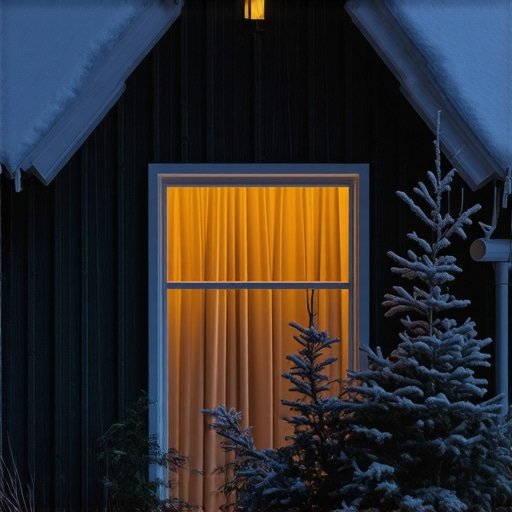
The Invisible Thermal Leak in Your Home
When the temperature drops across the northern latitudes, homeowners often notice a distinct chill near their fenestration products. You turn up the thermostat, yet the living room remains uncomfortable. Most people blame the furnace or the insulation in the attic, but as a master glazier with a quarter-century in the field, I can tell you that the true culprit is usually a failure in the thermal envelope of your windows. It is not just about a gap you can feel with your hand; it is about the physics of thermal transmittance and the invisible movement of energy through the center-of-glass, the edge-of-glass, and the frame itself.
A window is essentially a controlled hole in your wall. When that control fails, your energy bills spike. Understanding why this happens requires moving past the marketing brochures and looking at the actual glazing science. We are dealing with U-factor, air infiltration rates, and the structural integrity of the sash under thermal stress.
The Condensation Crisis: A Narrative Case Study
I recall a specific call to a residence in a particularly brutal winter. The homeowner was in a panic because their brand-new, expensive windows were ‘sweating’ so much that water was pooling on the wood stools and staining the drywall. They were convinced the units were defective. I walked in with my hygrometer and a thermal imaging camera. The hygrometer showed an indoor relative humidity of 62 percent while it was 5 degrees Fahrenheit outside. I had to explain that the windows were actually performing their job of sealing the house too well. The previous drafty windows were allowing enough air exchange to vent that moisture. It wasn’t the glass; it was the lifestyle of the occupants and the lack of mechanical ventilation. However, this highlights a critical point: if your windows are cold enough for the interior glass surface to reach the dew point, you have a thermal performance problem. If the glass surface is that cold, your furnace is fighting a losing battle against radiant heat loss.
“Standard practice for installation of exterior windows, doors and skylights must prioritize the continuity of the air barrier and the thermal envelope. A failure to manage the interface between the rough opening and the window frame results in significant energy loss and potential structural decay.” – ASTM E2112
The Physics of Winter Heat Loss: U-Factor and R-Value
In cold climates, the primary metric of concern is the U-factor. While we talk about R-value for walls, for windows we measure the rate of heat transfer. A lower U-factor means the window is better at keeping heat inside. This is achieved through several layers of technology. First is the Insulating Glass Unit or IGU. A single pane of glass has almost no insulating value. A double-pane unit introduces an air or gas space that acts as a thermal break. If you are seeing a spike in your bills, it is possible your older double-pane units have lost their gas fill. Argon is denser than air and slows down the convective loops within the IGU. If that gas has leaked out through a failed glazing bead or a compromised primary seal, your U-factor has degraded significantly.
Then we have the Low-E coating. For northern climates, we want the Low-E coating on Surface #3 (the exterior-facing side of the interior pane). This reflects the long-wave infrared radiation from your heating system back into the room. If your windows were installed with a ‘one-size-fits-all’ approach, you might have a coating designed for a hot climate on Surface #2, which is actually preventing the sun from helping heat your home in the winter. This is why a simple window repair might not be enough if the original specification was wrong for your geography.
The Role of the Frame and Installation
Even the best glass cannot compensate for a poorly constructed or installed frame. The rough opening of your window should be slightly larger than the window itself to allow for leveling and shimming. However, that space must be properly managed. I have seen countless ‘caulk-and-walk’ jobs where the installer skipped the backer rod or failed to use low-expansion foam. This creates a direct path for cold air to bypass the window entirely. [image-placeholder]
Frame material also matters. Vinyl is affordable, but it has a high coefficient of thermal expansion. In the dead of winter, a vinyl sash can shrink, pulling away from the weatherstripping and creating an air leak. Fiberglass is much more stable, mimicking the expansion rate of the glass itself, which maintains the seal integrity. If you have wood windows, maintenance is even more critical. A professional window cleaner can often be the first to spot the beginning of rot in the sill or the failure of a muntin that could lead to air bypass. If the wood is soft, the structural hold on the hardware relaxes, and the sash no longer sits tight against the frame.
When to Repair vs. When to Replace Windows
Many homeowners ask if they can just perform a window repair to stop the drafts. If the issue is a worn-out weatherstrip or a broken latch that is not pulling the sash tight, a repair is viable. You can replace the glazing bead or clear the weep hole to ensure water is draining correctly without letting air in. However, if you have ‘blown’ seals (evidenced by fogging between the panes) or if the frames are warped, you need to replace windows. A pocket replacement, where the new window sits inside the existing frame, is faster but often fails to address the insulation issues around the original rough opening. A full-frame replacement is the only way to ensure the sill pan and flashing tape are correctly integrated into the house’s water management system.
“Installation is just as critical as the window performance itself. A high-performance window installed poorly will fail to meet its energy rating and may lead to premature product failure.” – AAMA Installation Masters Guide
The Technical Details of Energy Consumption
Why does your bill spike? Because of the Delta-T. When it is 70 degrees inside and 0 degrees outside, the pressure for heat to move toward the cold is immense. This is called conductive heat loss. If your windows have aluminum spacers between the glass panes, they are acting as a bridge, conducting that heat straight out. We look for ‘warm-edge’ spacers made of foam or composite materials to break that bridge. Furthermore, if you have operable windows like double-hung or casement styles, the seals are mechanical. Over time, the sash can sag, or the shims can shift, meaning the interlocking meeting rail no longer closes air-tight. This leads to air infiltration, which is a much faster way to lose heat than conduction through the glass.
If you are serious about lowering your winter energy costs, you must look at the NFRC label. Look for the Air Leakage rating. Most people ignore it, but it is just as important as the U-factor. A window that lets in 0.3 cubic feet of air per minute per square foot will feel significantly colder than one rated at 0.1, regardless of how many panes of glass it has. You should also consider the visible transmittance (VT). If you have high-performance glass that is too dark, you will end up turning on more lights, which ironically adds a small amount of heat but costs more in electricity than the thermal gain is worth.
The Professional Approach to Window Maintenance
Finally, do not underestimate the value of a professional window cleaner and a regular inspection. Cleaning the tracks and ensuring the weep holes are not clogged with debris is essential. If water backs up in the frame, it can freeze, expand, and crack the vinyl or rot the wood, leading to massive air leaks. When you hire someone to replace windows, ask them about their flashing protocol. Do they use a sill pan? Do they use self-adhering flashing tape in a shingle-lap fashion? If they say they ‘just use plenty of caulk,’ find another installer. In the world of glazing, we have a saying: ‘Water always wins.’ If your installation doesn’t account for water and air movement, your energy efficiency will always be a secondary concern to the damage occurring inside your walls. Your high energy bills are a symptom of a system that is no longer managing the environment effectively. Addressing the technical failure of your fenestration is the only way to stop the spike and restore comfort to your home.