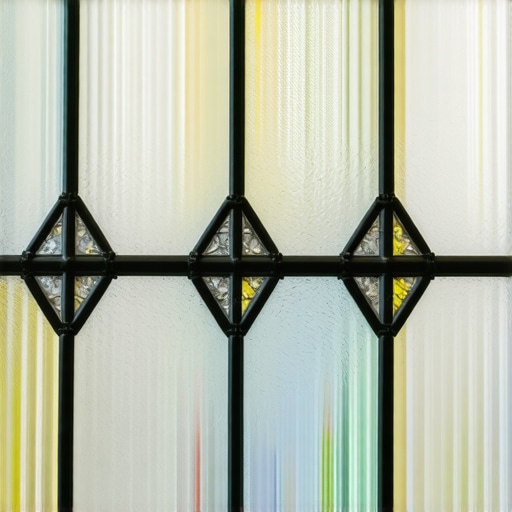
The Fragile Equilibrium of Art Glass and Lead
In twenty-five years of handling glass, I have seen more stained glass ruined by well-intentioned cleaning than by a century of weather. Most people treat a stained glass window like a standard piece of modern float glass, but that is a fundamental error. A stained glass panel is not just a window; it is a structural assembly of diverse materials including glass, lead cames, solder joints, and putty. When you approach these units with a generic window cleaner, you are introducing chemicals that can trigger irreversible lead oxidation or dissolve the historic cement that keeps the glass from rattling in its tracks.
The Condensation Crisis: A Restoration Story
A homeowner once called me in a panic because their 1920s bungalow’s original entryway windows were ‘weeping’ a grey, milky substance. I walked in with my hygrometer and a macro-lens. I showed them that the humidity in the foyer was hovering at 65 percent, and they had been using a high-ammonia spray to wipe down the glass every week. The ammonia was reacting with the lead cames, accelerating the formation of lead carbonate. It wasn’t just dirt; the windows were literally dissolving their structural skeleton because of a ‘clean’ lifestyle that ignored the chemistry of the materials. This is why understanding the interaction between moisture and metal is the first step in window repair and preservation.
“Installation is just as critical as the window performance itself. A high-performance window installed poorly will fail.” – AAMA Installation Masters Guide
The Physics of Lead Cames and Glass Surfaces
Stained glass windows are usually held together by H-shaped strips of lead called cames. These cames are soft, which allows them to be shaped around the intricate curves of the glass, but that softness makes them vulnerable. Over time, lead develops a protective patina. If you use an abrasive window cleaner, you strip that patina and expose raw lead to the air, leading to rapid corrosion. Furthermore, the glass itself in these windows is often ‘cathedral’ or ‘opalescent’ glass, which has a textured surface. Unlike the smooth surface of a window you would find if you were to replace windows in a modern home, these textures trap dirt and chemical residue. If you don’t use a neutral-pH solution, you are essentially trapping an acid or a base against the lead, which will eat away at the glazing bead and the putty over time.
The Technical Cleaning Protocol: Non-Ionic Methods
When I am tasked with cleaning a historic sash, I don’t reach for a squeegee. The first step is always a dry brush. You must remove the loose particulate matter using a soft-bristled natural brush. If you skip this and go straight to a liquid cleaner, you are just creating an abrasive slurry that will scratch the glass as you wipe. We call this ‘Glazing Zooming’ because we focus on the microscopic level of the glass surface. After the dry brush, we use distilled water mixed with a non-ionic detergent. Standard dish soaps often contain sodium chloride (salt), which is a nightmare for lead and solder joints. A non-ionic detergent like Triton X-100 is stable and does not carry a charge, meaning it won’t react with the metallic components of the window.
“The maintenance of the building envelope requires specific attention to the chemical compatibility of cleaning agents with historic glazing materials.” – ASTM E2112 Standard Practice
Climate Logic: Thermal Expansion and Moisture
In northern climates where the temperature swings eighty degrees in a season, stained glass faces immense thermal stress. The lead has a different coefficient of thermal expansion than the glass. If the window is dirty, the dark grime absorbs more radiant heat, causing the lead to expand more than it should. This leads to ‘bowing’ or ‘cupping’ of the window. In these cold environments, the U-Factor of a single-pane stained glass window is abysmal, leading to significant heat loss. This often causes condensation to form on the interior lead cames. If that moisture isn’t managed through proper ventilation or a high-quality storm window installation, the wood sash will begin to rot from the inside out. I have pulled many stained glass units where the rough opening was compromised because the homeowner ignored the ‘sweating’ lead for a decade.
The Anatomy of the Sash and Frame
To truly maintain these windows, you have to look beyond the glass. You must inspect the muntin bars and the glazing bead. The glazing bead is what holds the glass panel into the wood sash. If this wood is cracked, water will seep behind the lead and sit in the sill pan. Once water is trapped there, it has nowhere to go but into the grain of the wood. This is why a weep hole system is rarely found on historic stained glass, making manual inspection even more critical. If the lead feels ‘crunchy’ when you press on it, the internal putty has failed. No amount of window cleaner will fix that; you are looking at a full re-lead and window repair job.
Why You Should Avoid the ‘Tin Man’ Approach
I often see sales reps trying to convince people to replace windows that have perfectly good stained glass. They will tell you that the energy savings of a new vinyl window will pay for themselves. This is a myth in the world of historic preservation. The ROI on replacing a high-quality wood sash with stained glass for a cheap vinyl unit can take fifty years. Instead, the focus should be on ‘weatherization.’ Adding a high-quality, low-E exterior storm window can protect the stained glass from wind load and improve the thermal performance without destroying the architectural integrity of the home. When installing these storm windows, use proper flashing tape and ensure the shim space is correctly insulated with non-expanding foam to prevent air infiltration around the rough opening.
Summary of Professional Tools for Stained Glass Maintenance
If you are serious about cleaning your art glass, toss the blue spray bottles. You need a kit that includes: distilled water, non-ionic detergent, cotton swabs for the corners where the lead meets the glass, and soft microfiber cloths. Never apply pressure to the center of a glass piece; always support the window from the back if it is operable. If you notice the lead is white and powdery, stop cleaning and call a professional. That white powder is lead carbonate and is toxic. This is the reality of glass maintenance: it is a balance of chemistry, physics, and patience. Treat the lead with respect, or you will find yourself paying for a very expensive restoration rather than a simple cleaning.