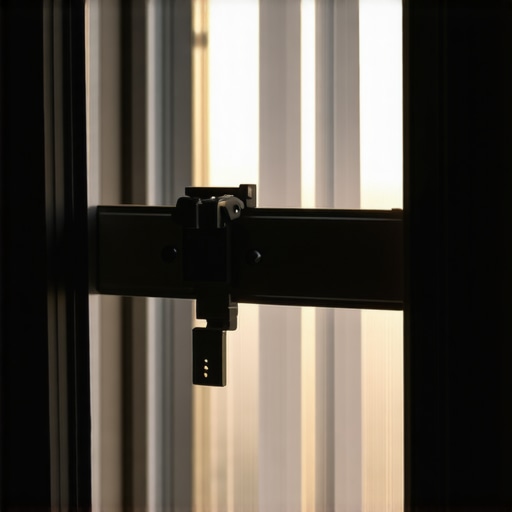
The Deceptive Simplicity of a Window Lock
When you attempt to secure your home for the night and find that your window lock refuses to engage, the frustration is immediate. You might assume the hardware has failed or the house has settled in a way that requires a simple window repair. However, as a master glazier with twenty-five years on the job, I have seen that a misaligned lock is rarely a hardware issue: it is a symptom of a larger systemic failure within the window assembly or the installation itself. A window is not a static object; it is a dynamic component that reacts to pressure, temperature, and moisture. When that sash no longer meets the keeper, you are looking at a breakdown in the thermal or structural integrity of the opening.
A homeowner once called me in a panic because their new windows were ‘sweating’ and the locks on the upper floor refused to catch. I walked in with my hygrometer and showed them that the interior humidity was sitting at a staggering 60 percent. It was not the windows that were failing; it was their lifestyle and the lack of proper ventilation. The high humidity was causing the wood components to swell and the vinyl frames to warp under the stress of moisture-heavy air trapped against the cold glass. This internal pressure was bowing the frame just enough to move the lock three millimeters out of alignment. It is a classic case where the window was blamed for a failure of the home’s environmental management.
“Installation is just as critical as the window performance itself. A high-performance window installed poorly will fail.” – AAMA Installation Masters Guide
The Physics of the Rough Opening
To understand why your lock is failing, we have to look at the Rough Opening. This is the structural hole in your wall where the window sits. In a perfect world, this opening is plumb, level, and square. In the real world, particularly in colder climates like Chicago or Minneapolis, the wood framing of your house is constantly moving. As a glazier, I look for how the window was shimmed. If an installer fails to place a shim directly behind the strike plate of the lock, the act of locking the window can actually pull the frame toward the sash, eventually causing the vinyl or wood to bow permanently. This is why a ‘caulk-and-walk’ installer is the enemy of longevity. They rely on the nailing fin and a bead of sealant to hold the window in place, ignoring the crucial load-bearing support that proper shimming provides.
Thermal Expansion and the U-Factor
In northern regions, the U-Factor is the most important number on your NFRC label. It measures the rate of heat loss. But what many homeowners do not realize is that high-performance glass with a low U-Factor creates a massive temperature differential between the interior and exterior faces of the window frame. This is where the Dew Point comes into play. If your window has a poor Glazing Bead or an inferior warm-edge spacer, the edge of the glass becomes a thermal bridge. In the winter, the interior face of the frame stays warm while the exterior face is freezing. This causes the material to expand and contract at different rates, a phenomenon known as thermal bowing. If your frame bows outward by even an eighth of an inch, your operable sash will no longer line up with the hardware.
The Anatomy of a Failure: Blueprint of the Installation Autopsy
When I perform an autopsy on a window that no longer locks, I start at the Sill Pan. The sill pan is the first line of defense against water infiltration. If the Sill Pan was not sloped correctly or if the Weep Holes are clogged with debris, water will back up into the frame. This is often where a window cleaner can be your best ally; a professional cleaner will notice when the tracks are filled with silt or when the weep holes are blocked. When water sits in the track, it can cause the wood cores of vinyl-clad windows to swell or the composite materials to delaminate. This swelling increases the height of the sash, making it impossible for the lock to reach the keeper. This is not a hardware problem; it is a water management problem.
“The flashing system must be integrated with the water-resistive barrier in a weather-board fashion to shed water to the exterior.” – ASTM E2112 Standard Practice
The Shingle Principle and Flashing Tape
The Shingle Principle is the golden rule of glazing: everything must overlap so that water is always directed down and out. I have pulled back the trim on hundreds of windows where the Flashing Tape was installed upside down, with the top piece tucked under the side pieces. This allows water to track behind the window frame, rotting the Rough Opening and causing the entire unit to sag. When the window sags, the lock is the first thing to go. You can try to replace windows one by one, but if the structural header is rotting because of poor flashing, the new window will face the exact same alignment issues within two seasons.
Why Vinyl Moves and Fiberglass Stays Put
Material science plays a massive role in whether your locks will stay aligned over twenty years. Polyvinyl Chloride (PVC) has a high coefficient of thermal expansion. It moves significantly as the sun hits it. This is why dark-colored vinyl windows are notorious for lock issues; they absorb more radiant heat, causing the material to expand. Fiberglass, on the other hand, is primarily made of glass fibers which have a thermal expansion rate almost identical to the glass panes themselves. This means the entire unit moves as one. If you are tired of window repair calls every spring and autumn, moving to a fiberglass frame or a thermally broken aluminum frame can solve the movement issue at its source.
The Role of the Window Cleaner in Maintenance
A window cleaner does more than just make the glass sparkle. A high-quality cleaning involves clearing the muntins of dust and ensuring the tracks are free of grit. Grit in the tracks acts like sandpaper, wearing down the rollers of sliding windows or the hinges of casement windows. Once that hardware wears down by a fraction of an inch, the sash drops, and the lock no longer meets the keeper. Regular maintenance ensures that the operable parts of the window can move through their full range of motion without resistance, which is essential for keeping the locking mechanism functional.
Conclusion: Precision Over Force
If your window lock does not line up, do not force it. Applying pressure to a misaligned lock can strip the screws out of the sash or break the internal cam of the hardware. Instead, look at the margins around the window. Is the gap between the sash and the frame even all the way around? If not, your window has shifted. The solution might be as simple as adjusting a hinge or as complex as a full-frame replace windows project to correct a failing Rough Opening. In the world of glazing, precision is the only path to performance. Understanding the interplay of thermal movement, moisture management, and structural support is the only way to ensure that when you turn that lock, it clicks home with the satisfying sound of a job done right. Avoid the ‘caulk-and-walk’ mentality and respect the physics of the hole in your wall. Your home’s security and efficiency depend on it.