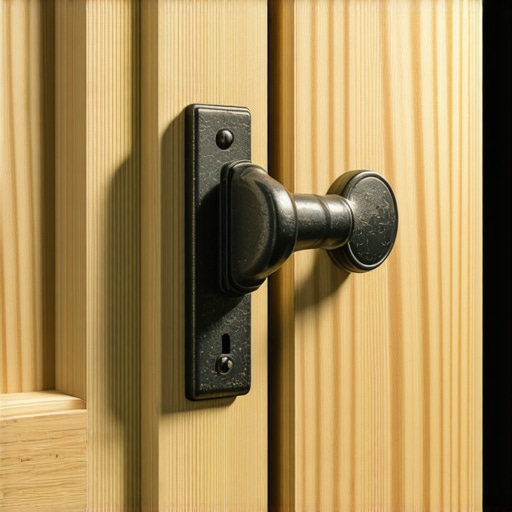
The Sound of Mechanical Friction: When Your Operable Sash Fights Back
In my twenty-five years as a master glazier, I have heard every sound a window can make. There is the sharp crack of a thermal stress fracture, the low whistle of a failed weatherstrip, and then there is the sound that every homeowner dreads: the grinding, metallic groan of a sticky window latch. It is the sound of hardware at its breaking point. When a client calls me for a window repair because they cannot lock their windows, they usually expect a massive bill. They expect me to tell them they need to replace windows across the entire facade. But sometimes, the solution is found in the kitchen pantry. Before you assume your frame has warped or your rough opening has shifted, you must understand the physics of the cam-action lock.
A homeowner recently called me in a panic because their new double-hung windows were ‘sweating’ and the locks were refusing to engage. I walked in with my hygrometer and showed them the humidity in their living room was nearly 60 percent. It was not a manufacturing defect; it was their lifestyle. The high moisture content in the air was causing microscopic oxidation on the zinc-die-cast latches, increasing the coefficient of friction until the homeowner could no longer turn the handle. I reached into their cabinet, grabbed a bottle of vegetable oil, and applied a single drop to the pivot point. The transformation was instant. The latch glided shut, pulling the sash tightly against the meeting rail, creating the air-tight seal the window was designed to provide.
“Installation is just as critical as the window performance itself. A high-performance window installed poorly will fail.” – AAMA Installation Masters Guide
The Science of Lubrication and the Glazing Bead
Why does a drop of oil matter so much? To understand this, we have to perform a ‘Glazing Zoom.’ Most modern residential windows utilize a cam-action lock. This mechanism relies on a curved metal hook that pulls the top and bottom sashes together as it rotates. This action does more than just secure the home; it compresses the weatherstripping. When the latch is dry or fouled with grit, you lose that compression. Without it, your high-performance Low-E glass is useless because air is leaking through the gap. The glazing bead, which holds the glass in the frame, remains stable, but the mechanical interface between the two sashes becomes a failure point.
Vegetable oil is a common household hack, but as a professional, I use it only as a diagnostic tool or a temporary fix. Vegetable oil is organic; it can go rancid and, more importantly, it can attract dust. In the world of window repair, we prefer dry silicones or lithium-based lubricants. However, the vegetable oil trick proves a point: most ‘broken’ windows are simply ‘unmaintained’ windows. If your latch is sticking, the metal is likely rubbing against metal without a protective film. This friction creates heat and wear, eventually rounding off the cam and requiring a full hardware replacement. By adding a lubricant, you reduce the torque required to close the window, which protects the muntin bars and the frame from unnecessary stress.
The Maintenance Routine: More Than Just a Window Cleaner
When most people think of window maintenance, they reach for a bottle of window cleaner and a paper towel. They focus on the transparency of the glass, ignoring the mechanical components that make the window a functioning part of the building envelope. A true professional maintenance routine involves inspecting the weep hole for clogs, checking the flashing tape for signs of peeling, and ensuring the shim points haven’t compressed over time. If your weep hole is blocked, water will back up into the track, increasing the local humidity and accelerating the corrosion of your latches.
[image_placeholder]
When you are cleaning, avoid using harsh ammonia-based products on the hardware. Ammonia can strip the protective plating off the latch, leading to the very stickiness you are trying to avoid. Instead, use a mild soap and water solution, followed by a targeted lubricant on the moving parts. This is especially critical in climates where the Dew Point fluctuates wildly. In the winter, the cold exterior glass pulls heat from the interior air, and if your latches aren’t pulling the sashes tight, you will get condensation right at the meeting rail. This moisture is the enemy of metal hardware.
“Proper maintenance of fenestration product hardware is essential to ensure the continued performance of the unit over its lifecycle.” – AAMA Maintenance Guidelines for Windows and Doors
When Oil Isn’t Enough: Signs You Need to Replace Windows
There comes a point where no amount of oil or window repair can save a failing unit. If you apply lubricant and the latch still requires significant force to close, you are likely looking at a structural issue. Perhaps the rough opening was not square to begin with, or the sill pan has settled unevenly. In these cases, the sashes are no longer aligned. You can see this by looking at the reveal, the gap between the sash and the frame. If that gap is wider on one side than the other, the window is ‘racked.’ At this stage, the mechanical advantage of the lock is being used to try and bend the frame back into alignment. This will eventually snap the lock or crack the glazing bead.
This is when we discuss whether to replace windows entirely. Many homeowners are sold on the ‘Energy Savings’ of new windows, but the real ROI is often found in structural integrity and ease of use. A window that cannot be easily operated is a fire hazard and a source of constant air infiltration. If your operable units are failing, it is better to invest in a quality replacement than to keep fighting a losing battle with a warped frame. When we do a full tear-out, we ensure the new flashing tape and sill pan are installed to modern ASTM standards, preventing the rot that plagues so many older homes.
The Physics of the Seal: Why We Care About Compression
Every window is a hole in your thermal envelope. We use shim blocks to level the unit and flashing tape to keep out the rain, but the latch is what completes the circuit. When that latch engages, it pulls the sashes into the weatherstripping, creating a labyrinth seal. If the latch is sticky, you likely aren’t engaging it fully. This leaves a microscopic gap where air can move. In a cold climate, this air carries moisture that hits the cold glass and turns into liquid water. This is the ‘Condensation Crisis’ I see every January. It starts with a sticky latch and ends with black mold on the drywall.
By maintaining your hardware, you are maintaining your home’s health. Whether it is a drop of vegetable oil to get you through the weekend or a professional window repair session with high-grade lubricants, do not ignore the mechanical health of your windows. A window is not a static object; it is a machine. Like any machine, it requires a clear path, clean parts, and a bit of lubrication to fight against the relentless forces of friction and oxidation. Keep your tracks clear of grit, your weep hole open, and your latches moving freely, and you will find that your windows last decades longer than those of your neighbors who follow the ‘caulk-and-walk’ philosophy of home maintenance.