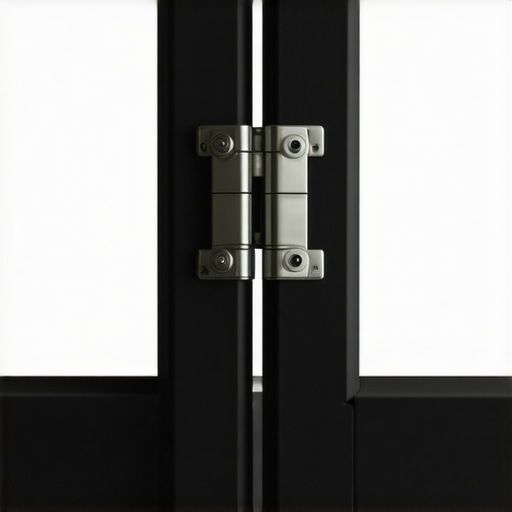
The High Cost of Corroded Hardware
In my 25 years as a master glazier, I have seen every possible failure of the building envelope, but few things are as frustrating for a homeowner as an operable window that refuses to operate. A window is essentially a controlled breach in your thermal barrier, and the hinges are the mechanical heart of that system. When those hinges seize due to oxidation, you no longer have a window; you have a safety hazard and a ventilation failure. I once visited a property in a coastal district where a homeowner called me in a panic because their new windows were ‘sweating’ and the hardware was already showing signs of pitting. I walked in with my hygrometer and showed them the humidity was 60%. It wasn’t just the windows; it was their lifestyle combined with the aggressive salt air that was accelerating the electrolytic corrosion of their low-grade zinc-plated steel hinges. The previous installer had committed the ultimate ‘caulk-and-walk’ sin: they used standard hardware in a high-salt environment without explaining the maintenance requirements of the sash and its mechanical components.
The Physics of Oxidation in Glazing Systems
To understand how to prevent rust, you must understand what you are fighting. Rust is the byproduct of iron, oxygen, and moisture forming iron oxide. In a window assembly, the risk is compounded by the presence of dissimilar metals. When a stainless steel screw is driven into an aluminum frame to hold a zinc-plated hinge, you have created a battery. Add a little salt spray or high humidity, and the least noble metal begins to sacrifice itself. This is why material science is the foundation of any real window repair strategy. If you live within five miles of the coast, standard hardware is a countdown to failure. You should be looking for 300-series stainless steel, specifically 316 marine grade, which contains molybdenum to resist chloride pitting.
“Installation is just as critical as the window performance itself. A high-performance window installed poorly will fail.” – AAMA Installation Masters Guide
Blueprint for Hinge Longevity: The Maintenance Protocol
Maintaining an operable sash requires more than a quick wipe with a rag. You need to look at the glazing bead and the weep hole system. If your weep holes are clogged with debris, water backs up into the track, submerging the bottom hinge and initiating the corrosion cycle. Start by using a high-quality window cleaner that is pH-neutral. Avoid ammonia-based cleaners on your hardware, as they can strip the protective coatings from the metal. Once the track is clean, inspect the shim placement. If the window was not leveled correctly in the rough opening, the weight of the sash will put uneven pressure on the hinge knuckles, wearing down the factory-applied finish and exposing the raw metal to the elements. Lubrication is your second line of defense. Never use heavy oils or WD-40, which attract dust and create a grinding paste. Instead, use a dry-film Teflon or silicone-based lubricant. These provide a hydrophobic barrier that prevents moisture from reaching the metal surface without collecting the grit that ruins a sash over time.
The Anatomy of Failure: When to Replace Windows
Sometimes, maintenance is no longer an option. If the rust has reached the point of structural exfoliation—where the metal is flaking off in layers—the integrity of the hinge is compromised. In these cases, you must evaluate if you can simply replace windows or if a component repair is possible. If the wood or fiberglass around the hinge seat is soft or rotted, the screws will no longer hold, rendering a new hinge useless. This often happens when the flashing tape or sill pan was neglected during the original installation, allowing water to bypass the exterior cladding.
“The installer must ensure that all hardware components are protected from moisture accumulation and that the drainage path is unobstructed to prevent premature corrosion.” – ASTM E2112 Standard Practice
When you reach the point of a full tear-out, do not settle for the cheapest option. Look for windows with thermally broken frames and hardware that has been tested for a minimum of 1,000 hours of salt spray. The muntin bars and aesthetics might sell the window, but the hinge and the operable mechanics are what keep your home sealed against the weather. Understanding the relationship between the dew point and internal humidity will also help you manage the condensation that often settles on cold metal parts during the winter months, providing the catalyst for rust to form on the interior side of the frame.