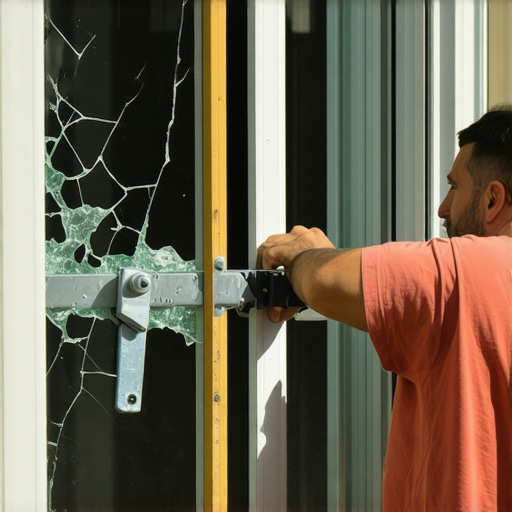
The sound of tempered glass exploding is unmistakable. It is not the sharp crack of a baseball through a single-pane window; it is a resonant, heavy thud followed by the cascading sound of thousands of tiny glass pebbles hitting the floor. As a master glazier with over two decades in the field, I have seen these ‘implosions’ happen for various reasons, from nickel sulfide inclusions to a simple lawnmower-propelled pebble. When a sliding patio door shatters, you are no longer looking at a simple home maintenance task. You are looking at a critical breach in your building envelope and a significant security risk. You do not just have a broken window; you have a gaping hole in your thermal barrier that will immediately begin equalizing your indoor climate with the outdoor environment.
The Anatomy of the Failure: Why Sliders Shatter
Before we pick up a single shard, we have to understand what we are dealing with. By code, all sliding glass doors must be glazed with safety glass, typically tempered. Tempered glass is created by heating a standard lite of glass to over 1,100 degrees Fahrenheit and then rapidly cooling the exterior surfaces. This process creates a state of permanent tension in the center and compression on the edges. I pulled a shattered patio door out of a house in a suburban development last year where the header was completely bowed. The previous installer had failed to leave enough clearance in the rough opening. As the house settled, the structural load of the entire wall was being transferred onto the glass frame rather than the jack studs. Eventually, the glass reached its limit and localized the stress into a catastrophic failure. This is why proper rough opening tolerances are not just suggestions; they are structural requirements.
“Installation is just as critical as the window performance itself. A high-performance window installed poorly will fail, often leading to structural damage or compromise of the safety glazing’s intent.” – AAMA Installation Masters Guide
When the glass shatters into those small cubes, it is doing its job by preventing large, lethal shards. However, it leaves you with a mess that is notoriously difficult to manage. If the glass is still ‘hanging’ in the frame, it is held together by the remaining surface tension or, in rare cases, a laminate interlayer. Do not touch it without heavy-grade leather gloves. This is the moment where the distinction between a window cleaner and a glazier becomes very clear. A cleaner maintains the surface; a glazier manages the system.
Phase 1: Controlled Demolition and Safety
Your first priority is stabilization. If you have children or pets, they must be cleared from the area immediately. Use a heavy-duty shop vacuum, but only after you have picked up the larger clusters by hand. Do not use a standard household vacuum; the glass fragments will shredded the internal filters and potentially damage the motor. Wear safety glasses. I have seen homeowners end up in the ER because a single glass ‘pebble’ snapped under their foot and sent a tiny sliver into their eye. Once the floor is clear, you must address the sash. Most sliding doors have a glazing bead—a small strip of vinyl or aluminum that holds the glass unit into the frame. If the glass is entirely gone, you will see the empty channel where the glass once sat.
Phase 2: The Temporary Securement (The Board-Up)
Since a custom-sized tempered glass unit can take anywhere from three to ten business days to manufacture, you cannot leave the opening exposed. You need to perform a structural board-up. Do not just tape a piece of plastic over the hole. This provides zero security and even less thermal resistance. You need a sheet of 1/2 inch or 3/4 inch plywood, a handful of 1-inch wood screws, and some high-quality flashing tape. Measure the rough opening of the door frame. You want to cut the plywood so it fits snugly against the exterior of the frame. If you can, avoid screwing directly into the vinyl or aluminum frame, as this can cause permanent damage that might require you to replace windows entirely rather than just the glass. Instead, use a ‘sandwich’ method: place one piece of plywood on the inside and one on the outside, then bolt them to each other through the opening.
While securing the board, pay attention to the weep holes at the bottom of the track. These are designed to allow water to escape the frame. If you block these with tape or plywood, and it rains while you are waiting for the glass pro, you could end up with water backing up over the sill pan and into your subfloor. This is how rot starts. I once saw a beautiful oak floor ruined because a homeowner taped up a broken door and inadvertently created a funnel for rainwater to pour directly into the house.
The Technical Reality of Thermal Management
When you lose a sliding door, you are losing a massive amount of your home’s insulation. If you are in a cold climate like Chicago or Minneapolis, the U-Factor of that missing glass is now effectively zero. The plywood has an R-value of about 1.25 per inch, which is pathetic compared to a modern double-pane unit with an Argon gas fill and a Low-E coating. If you have to wait for window repair in the dead of winter, consider taping a layer of rigid foam insulation to the interior of your plywood board. This helps maintain the dew point and prevents your interior walls from sweating.
“The thermal performance of a fenestration product is dependent on the integrity of the seal and the proper orientation of the Low-E coatings within the insulating glass unit.” – NFRC Performance Standards
When you eventually talk to the glass professional, ask about the Low-E coating. If your door faces the afternoon sun, you want the coating on Surface #2 to reject solar heat gain. If you are in the north and want to keep heat in, Surface #3 is often the better choice. This level of detail is the difference between a ‘quick fix’ and a professional restoration of your home’s efficiency.
Phase 3: Inspecting the Hardware and Track
While the glass is out, this is the perfect time to inspect the rollers and the track. Most people ignore their sliding door hardware until it stops moving. Check the sill for any signs of wear. If the door was difficult to slide before it broke, the rollers were likely seized. A seized roller causes the door to ‘jump,’ which creates micro-vibrations in the glass. Over time, these vibrations can weaken the glass or cause it to strike the frame, leading to the very shatter you are currently dealing with. Clean the track thoroughly. Remove any debris, hair, or dirt that has accumulated in the weep holes.
The Long-Term Solution: Repair vs. Replace
Many homeowners wonder if they should just replace windows entirely when a slider breaks. If your frame is over 20 years old, it is likely made of a low-grade vinyl or non-thermally broken aluminum. In these cases, the cost of a custom glass unit plus the labor of a glazier might be 50% of the cost of a brand-new, high-efficiency door system. However, if you have high-quality fiberglass or wood-clad frames, a glass replacement is almost always the better ROI. Unlike the ‘Tin Man’ salesmen who try to sell you a whole house of windows because one pane broke, a real glazier will give you the honest math on the U-Factor improvements versus the capital outlay.
Summary Checklist for Emergency Security
- Clear a 10-foot radius around the door.
- Use a shop-vac for fine fragments; never use a household vacuum.
- Measure the interior and exterior frame dimensions.
- Cut plywood for a ‘sandwich’ securement to avoid frame damage.
- Ensure weep holes remain unobstructed.
- Contact a professional glazier to order a tempered IGU (Insulating Glass Unit).
- Check the rollers and track for mechanical failure before the new glass arrives.
Securing a shattered door is about more than just keeping the wind out; it is about maintaining the structural and thermal integrity of your sanctuary. Do not settle for a quick fix that leads to long-term rot or energy loss. Manage the opening with technical precision, and you will ensure that the replacement glass performs even better than the original.