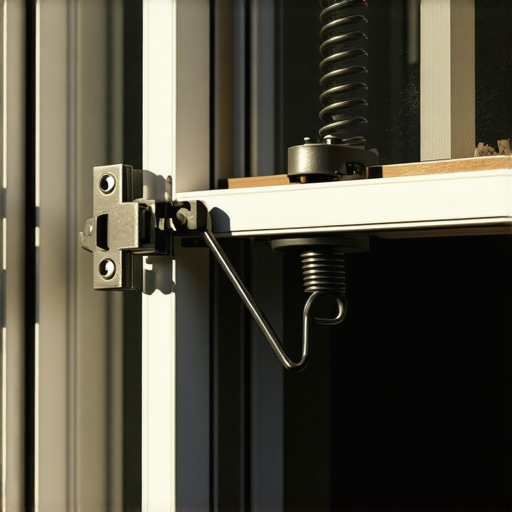
The Mechanical Anatomy of a Screaming Window Balance
As a master glazier with over two decades in the field, I have heard every sound a house can make, but nothing quite matches the high-pitched, metallic shriek of a failing window balance. When a homeowner calls me to complain that their window is screaming, they often fear the glass is under such pressure it might spontaneously shatter. In reality, the issue is almost always hidden within the jamb, deep inside the mechanical heart of the sash operation system. The sound you hear is not the glass; it is the physical manifestation of friction, metal fatigue, and neglected maintenance. I recall a specific case in a suburban home where a frantic owner thought their house was haunted because the windows wailed during the night. I walked in with my hygrometer and a set of tension tools, and within five minutes, I showed them that the 60 percent humidity in their home had caused the wood sash to swell, putting immense lateral pressure on the spiral balances. It wasn’t ghosts; it was a physics problem. It was a maintenance crisis caused by a lack of understanding of how the rough opening and the sash interact under thermal stress.
“Installation is just as critical as the window performance itself. A high-performance window installed poorly will fail, often manifesting as mechanical noise or premature hardware fatigue.” AAMA Installation Masters Guide
Decoding the Balance System: Constant Force vs. Spiral
To understand the scream, we must perform a technical autopsy on the window’s lift mechanism. Most modern double-hung windows rely on one of three systems: constant force balances, spiral balances, or block-and-tackle systems. In a constant force system, a stainless steel coil spring—much like a heavy-duty tape measure—is housed in a plastic carrier. The scream occurs when the glazing bead or the sash itself rubs against the housing, or when debris enters the coil. Spiral balances, on the other hand, utilize a literal screw-like rod that rotates inside a tube containing a tension spring. When the internal lubrication dries out or is contaminated by salt air in coastal environments, the rod chatters against the tube. This is the ‘screaming’ sound. It is the sound of metal-on-metal friction at a high frequency. If you are in a cold climate like Chicago or Minneapolis, this is exacerbated by the U-Factor of your window. A low-quality window with a high U-Factor allows the cold to penetrate the jamb, causing the metal components to contract at a different rate than the vinyl or wood frame. This differential contraction creates a tighter tolerance in the rough opening, leading to that agonizing noise during the winter months.
The Glazing Zoom: Physics of Thermal Expansion and Friction
Why do these springs scream in the morning and stay silent in the afternoon? It comes down to the coefficient of linear thermal expansion. A vinyl frame has a much higher expansion rate than the stainless steel spring inside the balance. When the temperature drops, the sash and the frame contract, often compressing the balance channel. If the installer didn’t use the correct shim during the initial window repair or installation, the frame might be slightly bowed. This bow is invisible to the naked eye but acts like a vice on the spring mechanism. When you attempt to lift the sash, the spring is fighting both gravity and the lateral compression of the frame. This creates a harmonic vibration. As a window cleaner might tell you, cleaning the glass is only ten percent of the job; the real work is in the tracks. Debris, such as fine construction dust or even insect nests, gets trapped in the weep hole or the balance shoe. When the sash moves, this debris acts as an abrasive, grinding away at the hardware and creating the screech. This is why we insist on using dry lubricants like PTFE or silicone. Never use WD-40 on a window balance; it is a solvent, not a long-term lubricant, and it will eventually attract more dust, turning your window repair into a sticky, noisy nightmare.
“The integrity of the fenestration system depends on the harmonious movement of all operable parts without undue stress on the frame or the glass.” ASTM E2112 Standard Practice
When to Call a Professional for Window Repair
If you have tried cleaning the tracks and applying a dry lubricant but the scream persists, you are likely looking at a mechanical failure of the spring itself. In a spiral balance, the internal tensioning tool may have slipped, or the spring may have lost its ‘k’ value (the spring constant). This is where a DIYer should be cautious. These springs are under significant tension. If a constant force spring snaps or is released suddenly, it can crack the glazing or cause injury. A professional glazier will check the alignment of the sash within the jamb. We look for ‘smile’ or ‘frown’ patterns in the head and sill. If the window was installed without a proper sill pan or if the flashing tape was applied incorrectly, moisture can seep into the rough opening, causing the wood framing to rot and shift. This shift puts a diagonal stress—racking—on the window frame, which binds the balances. In such cases, you don’t just need a window cleaner; you need a full-frame assessment to determine if you need to replace windows entirely or if a pocket replacement is viable.
The Solution: Quieting the Scream
To quiet a screaming window, start with a deep purge of the tracks. Use a vacuum with a narrow crevice tool to remove all particulates from the jamb liners and the balance covers. Next, inspect the sash for signs of rubbing. If you see shiny spots on the vinyl or wood, that is your friction point. Apply a high-quality, dry silicone spray specifically to the balance rod or the coil housing. Move the sash up and down several times to distribute the lubricant. If the sound remains, the balance must be replaced. For those in the North, ensure your windows have a warm-edge spacer and a Low-E coating on Surface #3 to keep the interior glass and hardware warmer, reducing the contraction-related noise. If the hardware is corroded, especially in coastal zones, ensure the new hardware is stainless steel or has an anti-corrosive coating. Remember, a window is a complex machine designed to manage the boundary between two environments. Treat it with the same mechanical respect you would give your car’s engine. If you ignore the scream, the next sound you hear will be the snap of a balance, and a heavy sash falling like a guillotine is a safety hazard no one should ignore.