I have spent over two decades looking at glass through the lens of thermal performance and structural integrity. In that time, I have seen every DIY disaster imaginable. Most homeowners treat a window like a simple piece of transparent material, but a glazier sees a complex thermal barrier. One of the most common calls I get for window repair involves glass that has been permanently scarred by someone attacking old, purple, bubbling solar film with a carbon steel scraper. If you value your glazing, you need to understand the molecular bond of the adhesive and how to break it without compromising the glass surface. Before we discuss the mechanics of heat, we need to address why window maintenance is often misunderstood. A homeowner called me in a panic because their new windows were ‘sweating.’ I walked in with my hygrometer and showed them the humidity was 60 percent. It was not the windows; it was their lifestyle choices combined with a lack of ventilation. They thought the film they applied was causing the moisture, but in reality, the film was just highlighting the underlying atmospheric issues within the Rough Opening. Understanding your windows starts with knowing how they interact with heat and moisture.
“Installation is just as critical as the window performance itself. A high-performance window installed poorly will fail.” – AAMA Installation Masters Guide
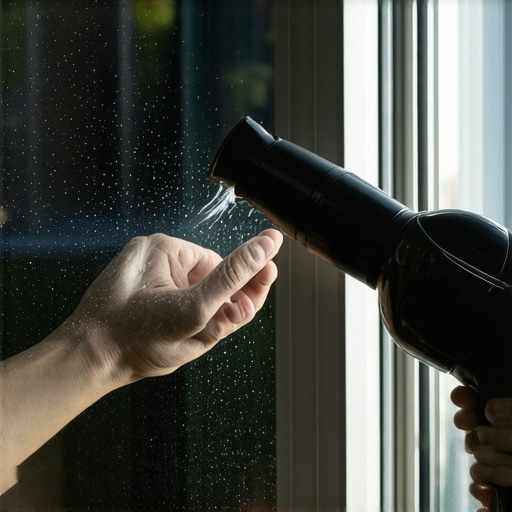
When you are dealing with old window film, you are dealing with a polyester substrate that has likely undergone thousands of cycles of solar loading. In hot climates like Texas or Florida, the Solar Heat Gain Coefficient (SHGC) is the primary enemy. The sun beats down on the glass, and the Low-E coating on Surface #2 or the aftermarket film on the interior surface absorbs that energy. Over time, the adhesives bake into the pores of the glass. Using a razor blade on this is a recipe for disaster. If you nick the surface, you create a stress riser that can lead to a full crack during the next thermal expansion cycle. This is where the hair dryer method becomes the professional’s secret weapon. By using controlled convection, you are softening the adhesive to its glass transition temperature without hitting the point of thermal shock. Thermal shock occurs when you have a significant temperature differential between the center of the lite and the edges tucked into the glazing bead. To avoid this, you never hold the heat source in one spot. You move it in a sweeping motion, mimicking the way a window cleaner moves a squeegee. You are looking for that sweet spot where the adhesive releases its grip on the glass while remaining attached to the film itself. This is a delicate balance of physics and patience.
“The thermal performance of a fenestration system is dependent on the integrity of every component, including any aftermarket applied films which can alter the SHGC and U-factor.” – NFRC Performance Standards
If you are in a Southern climate, your primary goal for any window repair or maintenance is managing solar radiation. Old, degraded film actually works against you. It traps heat within the glass pane, which can lead to seal failure in IGUs (Insulated Glass Units). When the seal fails, the argon or krypton gas escapes and is replaced by moisture-laden air. This is why properly removing old film is the first step in assessing whether you need to replace windows entirely or if a simple window cleaner service and new film will suffice. To execute the hair dryer method, start at a corner. Use the heat to gently lift the edge of the film away from the sash. As you pull, keep the heat directed at the ‘peel point’ where the film meets the glass. This ensures the adhesive stays with the polyester. If you see residue left behind, you are either pulling too fast or not using enough heat. This process is slow. It is the opposite of the ‘caulk-and-walk’ mentality that plagues the modern installation industry. You are respecting the material. Once the film is off, the remaining adhesive can be handled with a specialized citrus-based solvent rather than a sharp edge. Check your weep holes while you are at it. Often, during a window cleaner session, people overlook the drainage system built into the frame. If those holes are clogged, water backs up into the sill pan and eventually rots your subfloor. Every part of the window, from the muntin to the shim, plays a role in the building envelope’s success. When you remove old film properly, you are not just cleaning glass; you are performing a diagnostic check on the health of your home’s most vulnerable points.