The Physical Reality of Window Handling
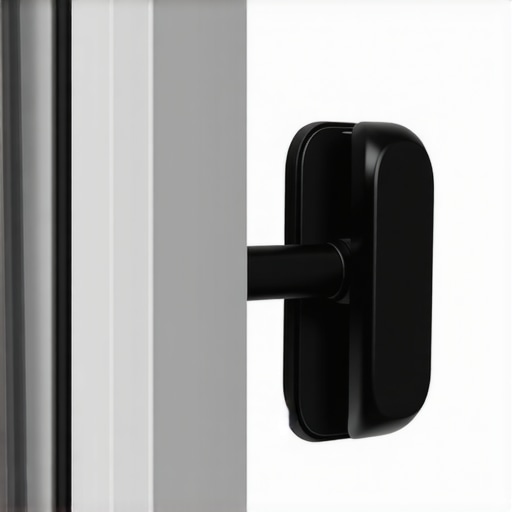
In twenty five years of glass work, I have seen every kind of injury imaginable, from minor glass shards under the fingernails to emergency room visits caused by a double hung sash dropping unexpectedly. When we talk about window repair or performing a deep window cleaner routine, most homeowners assume the risk is the glass breaking. While that is a valid concern, the real danger is the sheer weight of a modern Insulated Glass Unit (IGU) combined with the awkward ergonomics of the sash frame. A standard double pane sash can weigh anywhere from fifteen to forty pounds, and trying to grip a thin vinyl or wood lip while balancing on a ladder is a recipe for disaster. This is where a simple five dollar suction handle becomes the most critical tool in your kit.
The Condensation Crisis: A Master Glazier Perspective
A homeowner once called me in a panic because their new windows were ‘sweating’ and the sashes were becoming impossible to slide. I walked in with my hygrometer and showed them the humidity was 60 percent. It was not a window failure; it was their lifestyle. However, because they had been wrestling with those damp, heavy sashes to vent the room, they had actually warped the glazing bead and compromised the seal. I showed them how to use a vacuum suction cup to move the sash without putting lateral pressure on the frame. It changed how they maintained their home. When you try to force an operable sash that is stuck due to high humidity or thermal expansion, you are not just fighting the friction of the weatherstripping; you are risking a stress crack in the glass. Using a suction handle allows you to apply force directly to the center of gravity of the glass unit rather than the perimeter of the frame.
“Installation is just as critical as the window performance itself. A high-performance window installed poorly will fail.” AAMA Installation Masters Guide
The Science of the Vacuum Grip
Why does a five dollar piece of plastic and rubber make such a difference? It comes down to the physics of atmospheric pressure. When you engage the lever on a suction handle, you are creating a low pressure vacuum between the rubber pad and the non-porous glass surface. The higher atmospheric pressure outside the cup holds it against the glass with incredible force. In the world of commercial glazing, we use power operated vacuum lifters to move thousand pound plates of glass for curtain walls. For a residential window repair, a hand held version provides that same mechanical advantage. It turns a slippery, dangerous glass surface into a secure handle. This is particularly vital when you need to replace windows and are dealing with the old, brittle sashes that might have lost their structural integrity.
Managing the Rough Opening and Sash Weight
When I am teaching a new apprentice how to shim a window or set a sill pan, I emphasize that the sash is the heart of the unit. In Northern climates like Chicago or Minneapolis, we are often dealing with triple pane glass to achieve a low U-Factor. These units are incredibly heavy. If you are a window cleaner trying to tilt in a large sash for cleaning, the weight can easily overwhelm the constant force balances or the spring tensioners. By attaching a suction handle to the interior face of the glass, you gain a secondary point of contact. This prevents the sash from ‘crashing’ down, which can shatter the glass or, worse, damage the vinyl tracks. A damaged track is often irreparable, leading to a full frame tear out when a simple repair would have sufficed.
The Thermal Dynamics of Glass Surfaces
In colder regions, the glass surface temperature can drop significantly, affecting the pliability of the glazing bead and the weatherstripping. If you try to slide a frozen sash by pulling on the muntin bars or the top rail, you are likely to snap the wood or crack the vinyl. The suction handle allows you to apply a steady, even pull. This is essential for maintaining the energy efficiency of the unit. We talk about ‘Dew Point’ and ‘Solar Heat Gain’ frequently, but we rarely discuss the physical force required to operate a high performance window in sub zero temperatures. A handle ensures that you are not compromising the Low-E coating by touching it with oily hands, and you are not putting stress on the warm edge spacers that keep the Argon gas trapped between the panes.
“The integrity of the fenestration assembly depends on the proper management of dead loads and the distribution of stress across the glass surface.” ASTM E2112 Standard Practice
Safety During Window Repair and Maintenance
Whether you are performing a DIY window repair or you are a professional window cleaner, safety should be your primary metric. When you use a suction cup, you are reducing the ‘pinch points’ where your fingers could get caught between the sash and the jamb. This is especially true for casement windows where the hardware might be stripped. If the crank handle fails, a suction cup allows you to pull the window shut securely so you can engage the locks. It is a tool of precision. In my years of service, I have found that the most expensive failures usually happen because someone tried to ‘manhandle’ a piece of glass rather than using the right tool for the job. For five dollars, you are buying insurance against a broken sash and a trip to the urgent care clinic.
Long Term Durability and Sash Alignment
When we replace windows, we ensure the rough opening is square, level, and plumb. However, over time, a house settles. This puts pressure on the window frame, making the sashes harder to move. If you are constantly yanking on the sash to open it, you are accelerating the wear on the balances. A suction handle allows for a vertical lift that is perfectly aligned with the tracks. This reduces the friction and extends the life of the window hardware. It is about working with the physics of the window rather than against it. Precision, not power, is the hallmark of a master glazier. Next time you approach a stuck window, leave the crowbar in the truck and reach for the suction cup. Your windows, and your back, will thank you.