The Anatomy of a Failing Hardware Interface
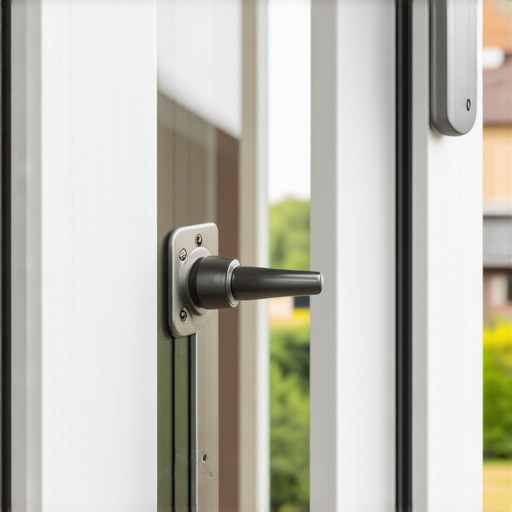
In my twenty-five years as a master glazier, I have seen thousands of homeowners struggle with the same frustrating annoyance: a sliding glass door handle that feels like it is about to come off in their hand. It starts as a subtle wiggle, a millimeter of play that you ignore for a month. Before long, you are jigging the latch just to get the door to lock, and the handle feels disconnected from the heavy sash it is supposed to operate. Most people think they just need to tighten a screw, but as someone who has lived and breathed fenestration since the late nineties, I can tell you that a loose handle is often the ‘check engine light’ for your entire sliding door system.
A sliding door is not just a piece of glass; it is a complex machine managing wind loads, thermal transfer, and structural weight. When that handle goes soft, it is usually a symptom of underlying mechanical stress, poor installation, or material fatigue that a simple screwdriver won’t fix. We need to look at the physics of the door, the chemistry of your window cleaner, and the precision of the original rough opening to understand why your hardware is failing.
“Installation is just as critical as the window performance itself. A high-performance window installed poorly will fail.” — AAMA Installation Masters Guide
The Condensation Crisis: A Narrative of Structural Neglect
I recall a specific call from a homeowner in a humid coastal region. They called me in a panic because their new high-end sliding doors were ‘sweating’ and the handles were so loose they were spinning. I walked in with my hygrometer and showed them the humidity was 60% inside the house. It wasn’t just a lifestyle issue with their HVAC; the moisture was infiltrating the internal mortise lock cavity. Because the previous installer hadn’t used a proper sill pan or verified the weep hole drainage, moisture was trapped inside the sash. That moisture was corroding the spindle—the metal bar that connects the inner and outer handles. This wasn’t a hardware problem; it was a water management failure. The ‘sweat’ on the glass was the warning, and the loose handle was the casualty. We didn’t just need to tighten a screw; we had to perform a full window repair on the drainage system to stop the internal rot of the hardware components.
The Physics of Thermal Expansion in Southern Climates
In hot, sun-drenched environments, the enemy of hardware is the Solar Heat Gain Coefficient (SHGC) and its relationship with material expansion. If you have a dark-colored vinyl or aluminum sliding door facing the afternoon sun, that material is absorbing a massive amount of radiant energy. Let’s look at the Glazing Zooming perspective: thermal expansion. Vinyl has a high coefficient of linear thermal expansion. When the sun beats down on that door, the sash can expand by an eighth of an inch or more. However, the steel or brass lock mechanism inside that sash does not expand at the same rate. This differential expansion puts immense shear stress on the mounting screws. Over hundreds of cycles of heating and cooling, the screw holes in the sash material become slightly ovalized. Once that hole is stripped or widened, the handle will never stay tight. This is why in southern climates, I always recommend Low-E coatings on Surface #2 to reflect that heat before it can soak into the frame and hardware. If you ignore this, you’ll eventually need to replace windows entirely because the frame integrity is compromised beyond the help of a repair kit.
Why Your Window Cleaner Is Killing Your Locks
Most homeowners are diligent about keeping their glass clear, but they don’t realize that their choice of window cleaner is often a primary cause of hardware failure. Many off-the-shelf cleaners contain ammonia or citrus-based acids that are devastating to the protective coatings on handle hardware. When you spray the glass, the runoff drips down into the handle assembly and the glazing bead. This liquid seeps into the internal spring cassettes and the mortise lock. These chemicals strip the factory-applied lithium grease, leading to metal-on-metal friction. This friction increases the force required to operate the latch, which in turn puts more leverage on the handle. You aren’t just fighting a loose screw; you are fighting a seized internal mechanism. A master glazier knows that a window repair starts with cleaning the tracks and lubricating the hardware with a dry silicone spray, never a petroleum-based product that attracts grit.
The Rough Opening and the Shim: The Silent Killers
If the rough opening of your house was not framed perfectly, or if the installer skipped the critical step of using a shim at the strike plate level, your door is likely out of square. When a sliding door sash is not perfectly plumb and level, the locking hook does not align perfectly with the keeper in the jamb. You end up having to pull up on the handle or push the door with extra force just to get the latch to engage. This lateral pressure is not what the handle was designed for. It is designed for pulling the door along the track, not for forcing a misaligned lock into place. Over time, this ‘lifting’ motion shears the internal mounting posts. If you find yourself having to ‘lift’ your sliding door to lock it, your handle will be loose within six months, regardless of how many times you tighten it. This is a structural alignment issue that requires a professional to shim the track and reset the door’s height via the rollers.
“Proper flashing and integration with the water-resistive barrier are essential to prevent moisture-related hardware degradation.” — ASTM E2112 Standard Practice
The Mechanical Failure Points: Spindles and Set Screws
Inside the handle, there is a square metal bar called a spindle. This is the bridge of communication between your hand and the locking gears. In many cheap ‘builder grade’ doors, these spindles are made of soft pot metal. If the door is heavy or the track is dirty, the torque you apply to the handle starts to twist that spindle. Once the spindle is twisted even a fraction of a degree, the handle will feel ‘mushy.’ Furthermore, many handles use a tiny hex-head set screw to stay attached to the spindle. If this set screw wasn’t seated into the ‘flat’ side of the spindle during installation, it will eventually slip, leading to that annoying wobbling sensation. A master glazier doesn’t just tighten that screw; we apply a drop of medium-strength thread locker to ensure that vibration and thermal cycles don’t back it out again.
When to Repair vs. When to Replace Windows
There comes a point where a loose handle is a sign of a terminal condition. If the sash is cracked around the handle mounting holes, or if the internal mortise lock has disintegrated into a pile of rust, a simple window repair might be a temporary bandage. When the cost of specialized hardware and the labor to rebuild a sash exceeds 50% of the cost of a new unit, it is time to replace windows with modern, high-performance fenestration. New fiberglass units, for instance, offer a much lower expansion rate than vinyl, meaning your hardware stays tight for decades rather than years. They handle the heat, the wind, and the cycles of use without the structural ‘creep’ that plagues cheaper materials. If you do choose to replace, ensure your installer uses a stainless steel sill pan and high-grade flashing tape to protect that new investment from the moisture issues that likely killed your last door.
Maintenance Protocol for a Tight Handle
To prevent future issues, you must treat your sliding door like the machine it is. First, clean your tracks monthly. A dirty track increases friction, which forces you to pull harder on the handle, causing it to loosen. Second, use a vacuum to clear the weep holes in the bottom track to prevent water from backing up into the hardware. Third, check the rollers at the bottom of the sash. If the door doesn’t slide with the touch of a finger, the handle is taking the brunt of that weight. Adjust the roller screws until the door is level and gliding freely. Only then should you worry about the tightness of the handle screws. By managing the friction and the alignment of the entire system, you ensure that the handle remains a tool for operation rather than a lever for forced entry. Remember, in the world of professional glazing, precision is the only thing that lasts. A door that is square, dry, and clean will have a handle that feels as solid in year twenty as it did on day one.