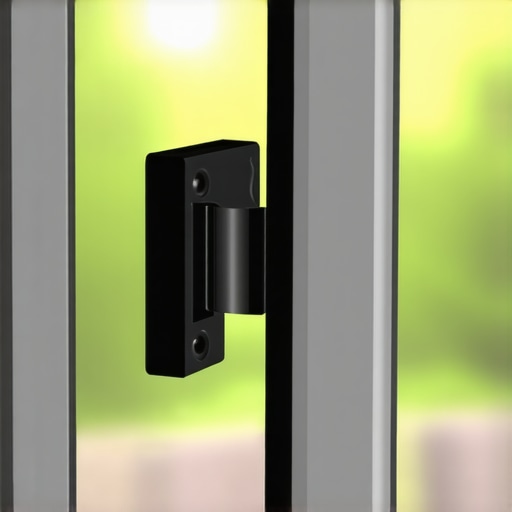
The Harmonic Disturbance of a Rattling Sash
There is a specific kind of madness that sets in at 3:00 AM when a cold front moves through. It is not the sound of the wind itself, but the rhythmic, metallic ‘clack-clack-clack’ of a window sash vibrating against its frame. In the industry, we call this window slap. To the untrained ear, it sounds like a reason to spend fifteen thousand dollars to replace windows, but to a master glazier, it is a symptom of a mechanical tolerance failure that can often be solved with a simple $2 rubber wedge and a bit of technical understanding.
The Condensation Crisis: A Narrative of Mechanical Tolerance
A homeowner called me in a panic because their new windows were ‘sweating’ and rattling so loudly they couldn’t sleep. I walked in with my hygrometer and showed them the humidity was 60 percent. It wasn’t the windows; it was their lifestyle choices combined with a lack of proper air exchange. But the rattling? That was a different beast. The high humidity had caused the wooden stops to swell and then shrink rapidly when the furnace kicked on, creating a gap. I pulled a small EPDM rubber wedge from my kit, tucked it into the meeting rail, and the silence was instantaneous. They were ready to sue the manufacturer, but all they needed was a basic window repair and a dehumidifier. This is the reality of fenestration: physics does not care about your budget.
“Installation is just as critical as the window performance itself. A high-performance window installed poorly will fail.” – AAMA Installation Masters Guide
The Anatomy of the Slap: Why Windows Vibrate
To understand why a window rattles, we have to look at the Rough Opening and the internal tolerances of the Operable unit. Whether you have a double-hung, a casement, or a slider, the sash is designed to move. This movement requires a gap. In high-wind environments, particularly in northern climates where the U-Factor is critical, that gap becomes a liability. When the wind hits the glass, it creates a pressure differential. If the sash is not seated firmly against the weatherstripping, it will oscillate. This is often exacerbated by a window cleaner who may have aggressively wiped down the tracks, inadvertently compressing the pile weatherstripping or displacing a Glazing Bead.
The Physics of the Wedge
The $2 rubber wedge, often called a sash silencer or a wedge shim, works by introducing a constant compressive force between the sash and the jamb liner. By taking up the 1/32nd of an inch of ‘play,’ you prevent the kinetic energy of the wind from converting into acoustic energy. This is not a ‘caulk and walk’ fix; it is a precision adjustment of the window’s mechanical assembly. If you are looking to perform a window repair on a budget, checking the tightness of your cam locks and the integrity of your Sash balance is the first step, but the wedge is the final insurance policy.
Climate Logic: Northern Heat Retention and Mechanical Movement
In colder regions, the enemy is heat loss and condensation. The U-Factor (the rate at which a window, door, or skylight conducts non-solar heat flow) is the metric we live by. A rattling window is a leaking window. If air can move the sash enough to make noise, it is also carrying your expensive heated air out into the street. We focus on warm-edge spacers and Low-E coatings on Surface #3 to reflect heat back into the room, but none of that technology matters if the sash-to-frame interface is compromised. A loose sash allows for air infiltration, which drops the temperature of the interior glass surface below the Dew Point, leading to the very condensation crisis I mentioned earlier.
“The primary purpose of a window is to provide a weather-tight seal while allowing for the necessary movement of the building structure.” – ASTM E2112 Standard Practice
Beyond the Wedge: When to Replace Windows
While I love a cheap fix, there are times when the rubber wedge is just a band-aid on a gunshot wound. If your window has a failed sill pan or if the flashing tape was never applied to the rough opening, you are looking at structural rot. I have seen vinyl windows where the frame has warped so significantly due to thermal expansion that no amount of shimming will restore the seal. In these cases, you must replace windows with a material that offers better dimensional stability, such as fiberglass or thermally broken aluminum. Fiberglass has a coefficient of thermal expansion nearly identical to glass itself, meaning the sash and the frame move together, reducing the likelihood of developing that dreaded slap over time.
The Maintenance Protocol: Keeping the Silence
Routine maintenance is the only way to avoid a full-scale window repair emergency. This includes cleaning the weep holes to ensure water does not back up into the house and checking the Muntin bars for any signs of de-glazing. Every time a window cleaner services your home, ask them to check the tension on the locks. A loose lock is often the primary culprit of a rattling window. If the cam lock does not pull the meeting rails together tightly, the weatherstripping cannot do its job. If you find that the lock is tight but the rattle persists, that is when you deploy the rubber wedge strategy. Place the wedge in the upper corner of the sash track to create a snug fit that still allows for operation when needed.
The Glazing Bead and Structural Integrity
Many people overlook the Glazing Bead, the small strip of vinyl or wood that holds the glass in the sash. If this bead becomes brittle or loose, the glass itself can rattle within the sash frame. This is a more complex window repair that requires removing the bead and applying a fresh bead of silicone or replacing the glazing tape. It is a technical task that requires a steady hand and a deep understanding of how the glass is bedded into the frame. Do not attempt this without the proper tools, or you risk breaking the seal of your Insulated Glass Unit (IGU), which will lead to permanent fogging and a total loss of thermal efficiency.