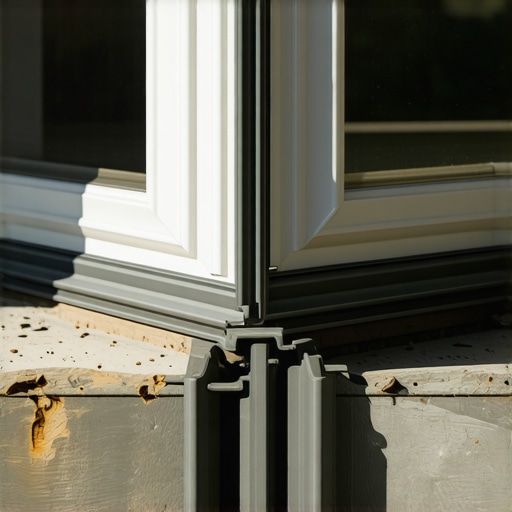
In my twenty-five years of experience as a master glazier, I have seen every possible failure in the fenestration industry, from massive curtain wall leaks in skyscrapers to the humble, frustrating sliding screen door. Homeowners often treat the sliding screen as an afterthought, a flimsy barrier against insects that exists merely to be fought with. But from a technical standpoint, a screen door that refuses to stay on its track is a diagnostic indicator of a larger issue within the aperture. It is rarely just about the screen. It is about the track, the rough opening, the roller assembly, and the thermal environment surrounding the door. When you find yourself searching for a window cleaner or debating whether to engage in a full-scale window repair, you must first understand the mechanical anatomy of your sliding system.
A homeowner called me in a panic because their new windows and patio doors were ‘sweating’ to the point of puddling on the floor. I walked into the residence with my hygrometer and showed them the interior humidity was sitting at a staggering 60 percent. It was not a failure of the insulated glass units or the frames; it was their lifestyle and a complete lack of mechanical ventilation. However, that excess moisture had a secondary effect: it was corroding the tension springs in their sliding screen door rollers. This is the reality of residential glazing. Everything is connected. The moisture that fogs your glass also eats your hardware.
“Installation is just as critical as the window performance itself. A high-performance window installed poorly will fail.” – AAMA Installation Masters Guide
The primary reason a screen door jumps the track is a failure in the tension adjustment of the roller assembly. Most residential screens utilize a tandem roller system, often featuring a nylon or stainless steel wheel housed in a spring-loaded carriage. These rollers are designed to exert downward pressure on the extruded aluminum track, keeping the door seated. Over time, the tension spring loses its ‘memory’ or becomes clogged with the same debris that a professional window cleaner might overlook. When the spring can no longer provide the necessary resistance, the slightest vertical movement—a gust of wind or a firm tug—causes the wheel to bypass the track’s vertical flange. This is where the ‘jump’ occurs.
If you examine the track itself, you are looking at an architectural extrusion. In many low-quality installations, the track is part of a sill that was not properly supported by a sill pan or adequate shimming. If the threshold of your sliding door is not level, the screen door will never operate correctly. I have seen rough opening tolerances that were so far out of plumb that the screen was only making contact with the track at one corner. This puts immense lateral stress on the glazing bead of the adjacent fixed panel and eventually leads to a mechanical breakdown. If your track is pitted or oxidized, it creates friction that mimics a stuck roller. In coastal environments, salt spray accelerates this oxidation, turning a smooth aluminum surface into a sandpaper-like finish that destroys nylon wheels in a single season.
When we discuss the need to replace windows or doors, we must look at the thermal logic of the assembly. In southern, hot climates like Florida or Arizona, the sliding door is often the largest source of solar heat gain in the home. The sun beats down on that threshold, heating the metal track to temperatures that can exceed 140 degrees Fahrenheit. This heat causes the screen frame to expand at a different rate than the main door frame. If the door was not installed with enough clearance in the rough opening to account for this thermal expansion, the frame bows. A bowed frame is a primary culprit for screen doors that jump. This is why we prioritize the Solar Heat Gain Coefficient (SHGC). For these hot climates, I always recommend a Low-E coating on Surface #2. This reflects the infrared radiation back outside before it can pass through the glass and heat the interior air and the metallic components of the door assembly.
“The fenestration product shall be installed level, plumb, and square within the rough opening.” – ASTM E2112-19
If you are constantly performing window repair on the same screen, it is time to look at the rollers. To adjust them, you must locate the adjustment screws, usually found at the bottom or top of the screen stile. Turning these screws clockwise typically increases the tension, lifting the door higher on the track. If the screw spins freely, the internal housing is likely cracked. This is common in vinyl doors where the plastic becomes brittle due to UV exposure. This is why I often advocate for fiberglass or thermally broken aluminum frames. They offer a stability that vinyl cannot match, maintaining their shape and keeping the sash and screen in perfect alignment regardless of the temperature swing.
Let’s talk about the ‘Window Cleaner’ factor. Many people use ammonia-based cleaners or heavy oils like WD-40 on their tracks. This is a catastrophic mistake. Ammonia can degrade the glazing bead and some types of flashing tape if it leaks into the sub-structure. Oils, meanwhile, act as a magnet for dust and pet hair. This creates a grinding paste that wears down the rollers. A professional should use a dry silicone spray or a graphite lubricant only after the track has been vacuumed and wiped clean. If you see ‘weep holes’ along the bottom of your door frame, ensure they are clear. If water backs up because of a clogged weep hole, it will sit in the track and rust out the screen’s steel rollers from the bottom up.
In some cases, the problem isn’t the screen at all; it is the header of the house. I have performed many a window repair where the issue was actually structural. If the header above the sliding door was undersized, it begins to sag over time. This pressure is transferred directly onto the door frame, pinching the screen and the operable sash. You will notice the screen jumps the track specifically in the center of the door’s travel path. In this scenario, no amount of roller adjustment will fix the problem. You are looking at a full-frame replacement where the rough opening must be reconstructed to handle the load properly.
When you decide to replace windows, don’t just look at the sticker price. Look at the NFRC label. In the north, you want a low U-factor to keep the heat in. But in the south, that SHGC is king. If you buy a high-performance door with a triple-pane sash but the installer doesn’t use proper flashing tape and a sill pan, you have wasted your money. The screen door will jump, the frame will leak, and the rot will begin. Glazing is a system of water and heat management. The sliding screen is simply the most visible part of that system’s failure. Treat the cause, not just the symptom. Ensure your tracks are clean, your rollers are adjusted, and your climate-specific glass is doing its job to keep the frame stable. If those things are in order, your screen will glide as intended, and your home will remain the sealed envelope it was meant to be. For those in high-wind areas, remember that the screen also acts as a minor windbreak. If it is loose, it vibrates, and that vibration can eventually work the muntin bars loose or even crack the glazing bead on the main unit. Every detail matters in the world of professional glazing. Stop the jump, save the door, and maintain the integrity of your home’s most vulnerable points.