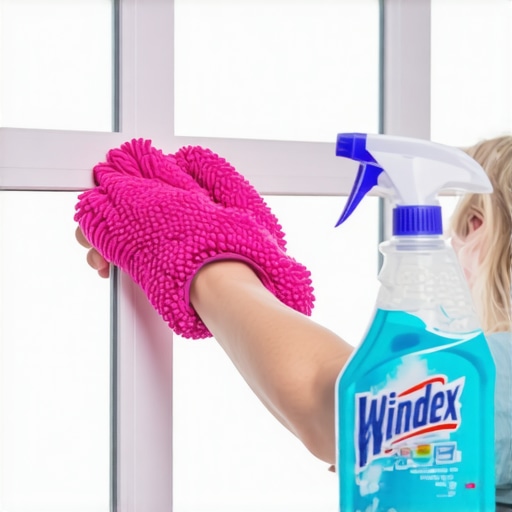
If you have spent any time in the glazing trade, you develop a sixth sense for the health of a window simply by looking at the surface tension of water on the glass. As a master glazier with twenty-five years on the job, I have seen the industry shift from simple monolithic panes to complex, multi-layered insulated glass units (IGUs) that are essentially pieces of high-tech laboratory equipment installed in your walls. For decades, the standard response to a dirty window was to reach for a blue bottle of ammonia-based cleaner and a roll of paper towels. However, in my practice, we have completely banned these from our job sites. We have swapped the chemical sprays for a high-quality microfiber mitt and plain, deionized water. This isn’t a cost-saving measure: it is a technical necessity driven by the evolution of glass coatings and the physics of the modern window sash.
“Proper maintenance of fenestration products requires non-abrasive techniques to preserve the integrity of factory-applied coatings.” – AAMA Care and Maintenance Guide
A few years ago, I was called out to a luxury home in a suburb where the homeowner was in a full-blown panic. They had recently invested over sixty thousand dollars in high-performance, triple-pane windows, and they were convinced the units were defective because they were “sweating” every morning. I walked into the living room with my hygrometer and a thermal imaging camera. The interior relative humidity was sitting at 62 percent while the outside temperature was a biting ten degrees Fahrenheit. I had to explain that it wasn’t the windows failing: it was the lifestyle and the cleaning habits of the household. They were using heavy chemical cleaners that were stripping the hydrophilic properties of the glass, causing water to bead and pool rather than evaporate naturally. This was my classic Condensation Crisis moment, where the homeowner’s desire for “squeaky clean” glass was actually sabotaging the thermal performance of their glazing beads and seals.
To understand why we use microfiber and water, you have to understand the science of the glass surface. Modern windows aren’t just silica. They are coated with thin layers of metallic oxides, often silver or tin, applied through a process called Magnetron Sputter Vacuum Deposition (MSVD). We call this Low-E or low-emissivity glass. In a northern climate, we typically want this coating on Surface #3, which is the inward-facing side of the exterior pane. However, with the push for even higher energy efficiency, many manufacturers are now applying a “hard coat” or pyrolytic coating to Surface #4, which is the actual glass surface you touch inside your home. Ammonia is a solvent. When you spray an ammonia-based cleaner on a Surface #4 Low-E coating, you aren’t just cleaning it: you are engaging in a slow-motion chemical strip-off. Over time, these chemicals can cloud the coating, leading to a permanent haze that no amount of scrubbing can fix. This is a common reason for premature window repair or even full replacement of the operable sash.
When we talk about the technical side of the window, we have to look at the rough opening and how the window interacts with the building envelope. A window is not an island. It sits within a rough opening, supported by shims, and is sealed with flashing tape and a sill pan to manage water. The glass itself is held in place by a glazing bead. If you are saturating your windows with chemical sprays, those liquids don’t just stay on the glass. They run down into the glazing channel and can sit against the spacer bar. Most modern spacers are made of stainless steel or structural foam and contain a desiccant. If harsh chemicals compromise the primary polyisobutylene (PIB) seal, the argon gas escapes, and moisture enters. This is why you see windows with a “blown seal” that look foggy. By switching to a microfiber mitt and plain water, we eliminate the chemical risk to these sensitive seals.
“The presence of moisture within the interspace of an IG unit is a precursor to total system failure.” – NFRC Performance Manual
The physics of the microfiber itself is far superior to wood-pulp paper towels. A paper towel is relatively abrasive at a microscopic level and tends to move dirt around in a slurry. A microfiber mitt, however, is composed of millions of tiny polyester and polyamide fibers that are split to be thinner than a human hair. These fibers create a massive surface area that utilizes van der Waals forces to literally grab and lift particulates off the glass. When you use plain water, you are using the universal solvent in its purest form. Water has a high surface tension that, when combined with the mechanical action of microfiber, encapsulates dust, pollen, and salt spray without leaving a film of surfactant behind. Surfactants are the soaps found in cleaners that actually attract new dust, which is why your windows seem to get dirty faster after using a traditional window cleaner.
In our cold climate regions, the U-Factor is the king of metrics. A low U-Factor means the window is better at keeping heat inside. When we maintain the glass correctly, we ensure that the solar heat gain coefficient (SHGC) and visible transmittance remain at factory specs. If you have a build-up of chemical residue, you are slightly altering the way infrared radiation interacts with the glass. It might seem like a small detail, but when you have forty windows in a house, those small details dictate the load on your HVAC system. Furthermore, we must discuss the weep hole. Many homeowners don’t realize their windows are designed to take on a certain amount of water and drain it back out. If you are cleaning with thick, foamy cleaners, that foam can trap debris in the weep holes, leading to water backing up over the sill pan and into your wall cavity, which causes the exact kind of rot I have spent years repairing.
If you are considering whether to replace windows or attempt a repair, look at the clarity. If the glass is clear but the window is drafty, the issue is likely in the weatherstripping or the original installation in the rough opening. If the glass is foggy, the IGU has failed, and no microfiber mitt in the world will save it. But for windows that are still structurally sound, the move to water and microfiber is the best way to extend their lifespan. It protects the muntins, the glazing beads, and the expensive coatings that make modern windows so efficient. We have moved past the era of the “Tin Man” salesman and the simple blue spray. We are in the era of high-performance fenestration, where maintenance must be as sophisticated as the engineering of the window itself. Stop using chemicals that attack your investment and start using the physics of microfiber to keep your view clear and your coatings intact.