The Struggle of the Stuck Casement: When Physics Defeats Hardware
You grasp the handle, ready to let in a spring breeze, but the resistance is immediate. You turn harder, the metal groans, and the window frame flexes. This is the moment of truth for any casement window. As a glazier with over two decades in the field, I have seen homeowners snap handles clean off because they didn’t understand the mechanical war happening inside their operator box. A window is not a static object; it is a complex assembly of glass, gaskets, and gears that must work in perfect harmony within a Rough Opening. When that harmony is disrupted, the first sign is usually a crank that refuses to cooperate.
A homeowner called me in a panic because their new windows were ‘sweating.’ I walked in with my hygrometer and showed them the humidity was 60%. It wasn’t the windows; it was their lifestyle. They had stopped opening their windows because the cranks had become too difficult to turn, leading to a total lack of ventilation and a buildup of interior moisture. This ‘sweating’ was a direct result of the Sash being permanently sealed shut by neglect. This is why maintaining operable hardware is not just about convenience; it is about the health of your home’s envelope. If you cannot open your window, you cannot manage the dew point inside your living space.
“Installation is just as critical as the window performance itself. A high-performance window installed poorly will fail.” – AAMA Installation Masters Guide
The Anatomy of the Operator: Why It Fails
To fix the problem, you have to understand the Glazing Zooming of the mechanism. Most casement windows use a worm-gear operator. Inside that small metal housing at the base of your window, a spiral screw (the worm) meshes with a gear plate. When you turn the handle, the worm rotates, driving the gear plate which is attached to the operator arm. This arm then slides along a track on the bottom of the Sash. In a cold climate like Chicago or Minneapolis, the physical stresses on this system are immense. Metal contracts in the winter, and any moisture trapped in the tracks can freeze, causing the hardware to seize. Furthermore, if the window was not properly centered in the Rough Opening and leveled with a Shim, the frame may be slightly racked. This puts ‘side-load’ on the gears, making them fight against the frame’s own weight every time you turn the crank.
The Sash itself is a heavy component, especially if it features high-performance double-pane glass with a low U-factor. If the friction hinges at the top and bottom of the window are dry or clogged with debris, the operator arm has to exert significantly more force to push the window outward. Over time, this grinds down the teeth of the zinc gears inside the operator box. Once those teeth are stripped, no amount of grease will save you, and you will be looking to replace windows or at least the entire hardware assembly.
The $5 Grease Fix: A Step-by-Step Restoration
Before you call a professional for a window repair or consider a full replacement, there is a simple maintenance protocol that costs less than a latte. The ‘Tin Man’ salesmen will tell you that a stiff crank means the frame is warped and you need a $15,000 upgrade. I am telling you to check your lubricant first. Most factory grease dries out after five to seven years, turning into a sticky paste that attracts dust and grit. This grit acts like sandpaper on your gears.
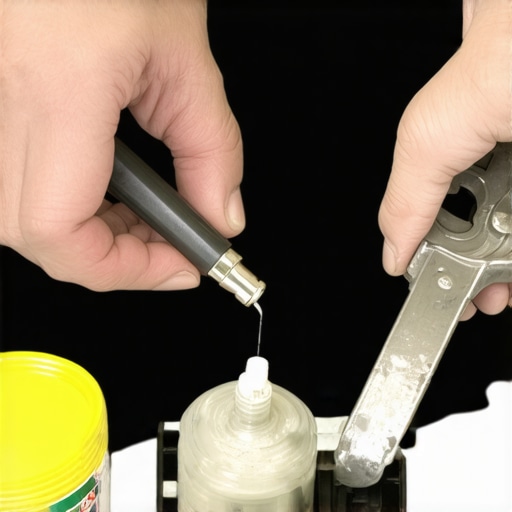
Step 1: Clean the Track and Arm. Use a vacuum with a crevice tool to remove dead flies, dirt, and construction debris from the bottom track. If you have been using a window cleaner that contains ammonia, be careful; it can strip the protective coatings off the hardware. Wipe the track down with a damp cloth and a mild detergent. Step 2: Inspect the Weep Hole. While you are there, ensure the weep hole is clear. If water backs up in the track, it will migrate into the operator housing and rust the steel components. Step 3: Apply the Right Lubricant. Do not use WD-40; it is a solvent, not a long-term lubricant. It will provide a temporary fix but will eventually evaporate and leave the metal even drier. Instead, use a high-quality White Lithium Grease or a Silicone-based spray. Apply it to the worm gear (where the handle inserts), the operator arm joints, and the sliding track. Step 4: Cycle the Hardware. Turn the crank back and forth through its full range of motion to distribute the grease into the gear teeth.
“Proper maintenance of fenestration products is essential to ensure they meet their intended service life and performance ratings.” – ASTM E2112 Standard Practice
The Physics of Energy and Movement
In Northern climates, we obsess over the U-factor. We want windows that keep the heat in. But a window that is difficult to close properly will never achieve its rated energy efficiency. If the crank doesn’t pull the Sash tightly against the weatherstripping, you will have air infiltration that bypasses your expensive Low-E glass entirely. You can have the best Glazing Bead and the most advanced argon-fill in the world, but a 1/16th-inch gap caused by a stiff operator makes it all irrelevant. This is where the Shim placement during installation becomes vital. If the installer didn’t properly support the sill, the weight of the window will cause the bottom rail to sag, creating a physical obstruction for the crank mechanism.
If you see daylight through the corner of your casement window when it’s closed, your problem isn’t the glass; it’s the mechanical pull. The Flashing Tape and Sill Pan protect your walls from rot, but the crank and the lock are what protect your comfort. If the handle is hard to turn, it’s often because the ‘pull-in’ force required to compress the weatherstripping is too high due to misalignment. Check the Muntin bars and the overall squareness of the unit. Sometimes, simply loosening the screws on the operator, shifting it by a millimeter, and re-tightening them can alleviate the binding.
When the $5 Fix Isn’t Enough
Sometimes, the damage is done. If you turn the handle and hear a ‘click-click-click’ without the window moving, the internal gears are stripped. At this point, you are looking at a hardware replacement. Fortunately, most casement operators are held in by just a few screws. You don’t always need to replace windows entirely just because the hardware failed. However, if the wood around the operator is soft or the Sash has delaminated, you are fighting a losing battle. This is often the result of a failed Sill Pan or improper Flashing Tape application by a previous installer who relied on ‘caulk-and-walk’ methods rather than the Shingle Principle of water management.
True professional window repair involves looking beyond the symptom. If the crank is hard to turn, I’m looking at the hinges, the tracks, the frame squareness, and the seal integrity. A window is a hole in your wall that you’ve chosen to fill with glass; keep the mechanics of that hole functional, and your home will remain a sanctuary rather than a source of frustration. Regular lubrication and cleaning are the only way to ensure your investment lasts the 30 to 50 years it was designed for.