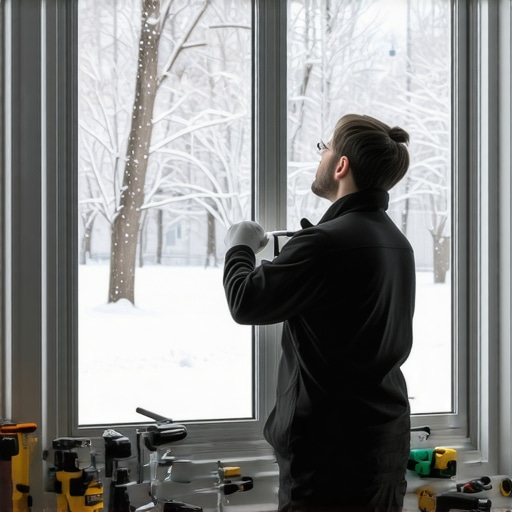
I remember the chilly evening when I finally realized my windows weren’t going to survive another winter. The old, drafty panes rattled loudly every time the wind howled, and I felt a sudden wave of panic—what if I couldn’t get them fixed before the snow arrived? That was my lightbulb moment. It hit me that neglecting my windows could lead to costly damage, higher energy bills, and a freezing home when it matters most. So, if you’re like me, wondering whether your windows are winter-ready, you’re not alone. Today, we’ll tackle how to identify those problems early and what steps you can take now to ensure your home stays warm and cozy through whatever winter throws at us.
Why Acting Now Can Save You Money and Stress
The truth is, waiting until the coldest months to fix or replace your windows is a risky game. Many homeowners underestimate just how much heat escapes through damaged or outdated panes. According to the Department of Energy, up to 30% of a home’s heating energy can leak right out of poorly insulated or cracked windows, leading to skyrocketing energy bills and discomfort. Addressing these issues in the fall, before winter hits full force, is the smarter move—saving money and preventing the headache of dealing with emergency repairs during a snowstorm. Trust me, early action is your best friend.
Is Window Repair or Replacement Worth It for Winter 2026?
I’ll admit, I once thought a quick fix with some caulk and a new window cleaner might do the trick. But I learned the hard way that rushing into temporary solutions often backfires. Making that mistake early on cost me more in the long run, both in energy costs and in the comfort of my home. From personal experience, investing in professional guidance and proper materials makes all the difference. If you want to avoid my pitfalls, check out how to choose trusted experts for [affordable window repair and replacement](https://seethruwindow.com/affordable-window-repair-replacement-trusted-solutions-in-2025) and make sure your home is winter-proof.
Now, let’s get into how you can get your windows ready well in advance of winter 2026, and what pitfalls to avoid along the way.
Assessing Damage and Planning Repairs
Start by inspecting each window carefully. Look for cracks, broken seals, or gaps where drafts sneak in. Use a flashlight at night to detect light leaks from inside. In my experience, marking problematic areas with painter’s tape helps to keep track. If you notice any serious damage, consider scheduling professional repair or replacement. For minor issues like small leaks or loose frames, a quick fix with sealant or weatherstripping can suffice, saving on costs while improving efficiency.
Identify Problematic Frames and Glass
Check for warping or rotting frames, which often cause drafts. Use a level or a straight edge to verify if the window aligns correctly. If the glass is foggy or cracked, replacement is necessary. Remember, broken seals in double-pane windows often lead to moisture buildup, which I learned the hard way when my panes fogged up unexpectedly. Replacing these with energy-efficient units can dramatically cut heat loss. For reliable options, see trustworthy solutions.
Weatherproofing and Sealing
Once damage is identified, focus on sealing gaps. Apply high-quality weatherstripping around sashes, which acts like a shield, preventing cold air infiltration. Use caulk for cracks in frames or sills. For larger gaps, expanding foam insulation provides a robust barrier. I once sealed a frame badly with just tape — it was like putting a Band-Aid on a broken pipe; effective temporarily but not long-term. Proper sealing ensures your home stays warm and reduces energy bills. For detailed tips, review cost-effective repair tips.
Cleaning and Preparing Windows
Before finalizing repairs, thoroughly clean your windows. Dirty glass reduces sunlight entry, affecting warmth. Use a reliable glass cleaner, such as one described in trusted cleaning guides, for a streak-free finish. Avoid harsh abrasives that can scratch the glass. I recall a frustrating experience cleaning with a filthy rag, which left streaks I couldn’t remove until I switched to a microfiber cloth with gentle cleaner. Clean windows maximize sunlight, helping your home stay warmer naturally.
Installing Insulation and Storm Windows
For added warmth, install storm windows or insulative film kits. Storm windows act like a secondary barrier, much like a jacket over a shirt, trapping heat inside. For DIY-friendly options, consider DIY kits available at local hardware stores. I installed a storm panel myself, which initially was messy, but after adjusting the fit, it reduced drafts significantly. Check the compatibility of your windows and choose appropriate solutions. This step can be the difference between a cold house and a cozy one during winter’s peak.
Schedule Professional Replacement When Needed
If damage is extensive, professional replacement may be the best choice. Expert installers assess your windows holistically, ensuring optimal energy performance. Trustworthy services like nearby trusted pros can provide long-lasting results, saving you stress and future repairs. My experience with professional replacement was smoother than expected, even though I feared it would be disruptive. The result was a warm, energy-efficient upgrade that paid for itself quickly in savings.
Many homeowners believe that choosing a new window or a simple cleaning routine is all it takes to ensure their home stays warm and efficient during winter. However, beneath the surface lies a series of common misconceptions that can significantly hinder results. For instance, a prevalent myth is that all windows are created equal, leading many to overlook the importance of proper insulation and professional installation. In reality, even high-quality windows can underperform if not installed correctly or if attention isn’t paid to sealing and weatherproofing. My own mistake early on was assuming that a quick DIY fix would suffice, but it ended up costing me more in energy bills and discomfort. This highlights the importance of understanding nuances beyond surface appearances.
One trap many fall into is relying solely on surface cleaning products for windows, assuming that streak-free results indicate a thorough clean. The truth is, many so-called “streak-free” cleaners don’t address the root issues like water spots, mineral deposits, or residual grime that can obscure clarity and reduce sunlight entry. Using a trusted cleaner, combined with proper techniques, makes a real difference. For advanced results, consider how professional-grade cleaning solutions can improve clarity and longevity, something a standard household spray can’t achieve. If you’re serious about efficiency, explore cost-effective cleaning tips.
Another overlooked nuance involves the repair process itself. Some believe that minor cracks or leaks can be ignored or patched temporarily, but these small issues often escalate, leading to increased energy loss and costly replacements down the line. Proper sealing and insulation are critical, especially around frames and sills. Skipping this step may seem convenient initially, yet it undermines your entire effort to keep heat in. For an in-depth look, check out cost-effective repair strategies.
### Does Surface Appearance Really Reflect Energy Efficiency?
Many assume a clean, shiny window is functioning well. However, even perfectly cleaned windows can be inadequate if the seal has failed or if there are gaps letting drafts in. Double-pane windows are often celebrated for their insulation, yet if the seal is broken, their efficiency drops dramatically. Moisture trapped inside double-glazing can lead to fogging, which I experienced personally and learned the hard way that replacement is often the best solution. Properly assessing window health involves inspecting seals and frames carefully, not just cleaning or superficial fixes. For reliable guidance, see trusted repair options.
It’s also important to stay aware of advanced mistakes, like underestimating the value of professional installation. While DIY is tempting, improperly fitted windows can cause air leaks and undermine energy savings. Professional installers assess all aspects—measuring, sealing, and insulation—to ensure your windows perform as intended. Trust me, investing in trusted experts not only saves money in the long run but also provides peace of mind, making your home truly winter-ready. For more on selecting reliable services, visit trusted local installers.
Have you ever fallen into this trap? Let me know in the comments.
Maintaining your windows over time requires the right equipment and a solid routine. Personally, I rely on a few specific tools that make the process efficient and effective. A high-quality utility knife, like the X-Acto or carpenter’s knife, is indispensable for precise scraping of paint, old sealant, or stubborn grime around frames. I find that a sharp, reliable blade ensures clean cuts without damaging the surrounding material, which is crucial for prepping surfaces before resealing or repainting. For cleaning, I swear by a microfiber cloth paired with a biodegradable, ammonia-free window cleaner. It not only ensures streak-free results but also minimizes environmental impact, aligning with my eco-conscious approach.
When it comes to sealing and weatherproofing, a caulking gun loaded with a high-grade, paintable silicone or latex caulk is essential. I prefer the Gunmate Plus because of its smooth application and durability. Applying proper sealant around frames and sills prevents drafts and moisture intrusion—key steps in long-term window maintenance. For bigger gaps or rotted wood sections, I use expanding foam insulation, which offers excellent thermal resistance. Remember, even a small gap can significantly impact your home’s energy efficiency, as I learned after neglecting to seal a tiny crack that later caused a spike in my heating costs.
For evaluating window health, a digital moisture meter can help detect hidden issues like mold or water intrusion behind frames. I invested in the Extech MO290, which provides accurate readings and helps prevent minor problems from escalating. Conducting regular inspections with these tools allows you to identify issues early, saving money and avoiding discomfort during winter. In the future, I predict a rise in smart home integration tools that will monitor window seals automatically, alerting homeowners before drafts become noticeable—definitely a trend to watch.
If you want to up your maintenance game, I recommend trying out a combination of these tools starting with a thorough inspection routine. Regular, proactive upkeep significantly extends the lifespan of your windows and maintains their efficiency. For detailed tips on sealing and repair techniques, see this comprehensive guide. By integrating these tools into your routine, you’ll ensure your windows continue to serve you well through many winters ahead.
How do I keep my window repair and maintenance tools performing over time?
The answer lies in cleaning, proper storage, and periodic calibration. After each use, wipe down tools to remove dust, paint, or sealant residue. Store caulking guns and blades in a dry, organized space to avoid corrosion or damage. I also recommend sharpening your utility blades regularly or replacing them as needed—dull blades can cause uneven cuts and frustration. Following the manufacturer’s maintenance instructions and occasionally testing tools like moisture meters ensures accurate readings and reliable performance. Investing a little time in tool upkeep pays off in smoother repairs and long-lasting results, a practice supported by industry experts. For more insight, check out trusted tips for lasting home results.
For those ready to go beyond basic maintenance, experimenting with advanced sealing techniques or trying out new eco-friendly cleaning solutions can make a noticeable difference. For example, applying a fresh bead of sealant with a professional-grade gun ensures a longer-lasting, well-insulated window. Don’t forget to test your moisture levels regularly if you live in climate zones prone to humidity—catching problems early simplifies repairs and reduces costs. Start integrating these practices today, and you’ll keep your windows performing at their best for years to come.
What My Unexpected Fixes Taught Me About Windows
One of the most valuable lessons I learned was that seemingly minor issues like tiny cracks or drafts often hide bigger problems. Over time, I realized that ignoring these signs only led to increased energy bills and discomfort during winter. Fixing these early on not only saves money but also prevents headaches down the line.
I also discovered that trusting superficial appearances can be misleading. Clean windows with a streak-free shine don’t guarantee they are energy-efficient. Seals and insulation matter just as much as exterior cleanliness, a realization that transformed my approach to home maintenance.
Another insight was the importance of proper sealing and weatherproofing. A quick patch might seem enough, but professional-grade sealing techniques ensure long-lasting results, saving you from repeated repairs and energy loss.
Finally, I learned that proactive inspections and using the right tools make all the difference. Regularly checking frames, seals, and glass with specialized tools keeps problems at bay. This routine has become a vital part of my seasonal home care, securing warmth and comfort year after year.
Tools and Resources That Elevated My Winter-Prep Game
My essential toolkit includes a high-quality utility knife for precise scraping and sealing, ensuring clean edges that last longer. A microfiber cloth paired with eco-friendly cleaner helps achieve streak-free windows, maximizing natural sunlight savings. An expanding foam insulation gun is invaluable for filling larger gaps, making my home more airtight.
For expert guidance, I rely on trusted sources like this repair root for trusted professionals and budget-friendly tips that deliver long-term results. They’ve helped me refine my maintenance routine and avoid costly mistakes, especially before winter storms arrive.
Books that shifted my perspective include “The Homeowner’s Guide to Energy Efficiency,” which offers deep insights into window performance and insulation strategies. These resources helped me make informed decisions and prioritize quality over quick fixes, ensuring lasting warmth during the cold season.
Prepare to Embrace Your Home’s Potential
This journey has shown me that with patience, proper tools, and a proactive attitude, you can transform your home into a warm getaway no matter the winter outside. Don’t wait for hardship to strike—take action now, and enjoy the comfort and savings that come with being winter-ready. Your home has more potential than you think; it just needs a little care to unlock it.
How have your experiences with window repairs shaped your approach to seasonal home maintenance? Share your stories below—I’d love to hear your lessons learned!