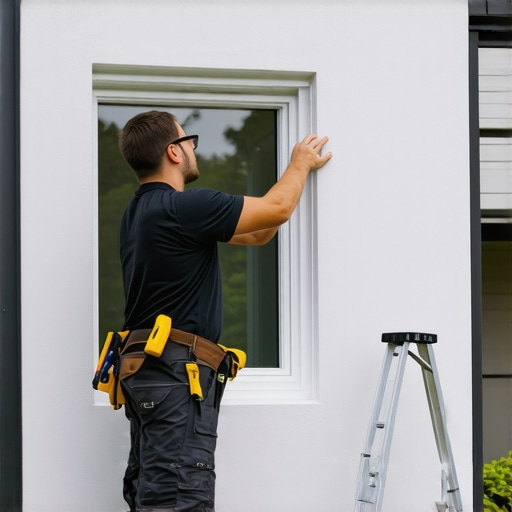
It was a chilly morning when I finally noticed the draft sneaking in around my outdated windows. That feeling of cold seeping through the glass, making my entire living room feel less cozy, was a lightbulb moment for me. I’d ignored the warning signs for too long, thinking window repair was a costly hassle, but what I discovered changed everything.
Why Ignoring Old Windows Could Cost You More Than You Think
As the days went by, I realized that those seemingly minor drafts and squeaky hinges were signs of bigger issues—possible energy loss and even security risks. Turns out, old, inefficient windows can significantly drive up heating and cooling costs. According to the Department of Energy, poor window insulation can account for nearly 25% of a home’s energy loss, costing homeowners hundreds annually. The good news? With some strategic and affordable window repairs or replacements, you can boost comfort and save money.
Is Hiring a Professional Really Worth the Investment?
Early on, I made the mistake of thinking I could do it myself to save a few bucks. Spoiler alert: I ended up spending more on trial-and-error fixes than I would have on a reputable local pro. Trust me, seeking out affordable, reliable *window repair and replacement services near you* can prevent headaches and ensure lasting results. I’ve learned that the key is finding trusted experts who know their stuff. For trusted advice and proven solutions, check out this comprehensive guide—it helped me find the right team without breaking the bank.
Now, armed with a clearer understanding of why timely window care matters, I was ready to take action. But how do you know whether repair, replacement, or something in between is the best move for your home? Let’s dive into that next.
Assess Your Window’s Condition Carefully
Start by inspecting your windows thoroughly. Check for cracked or broken glass, rotting wood frames, or glass that rattles when you gently shake it—these are clear signs requiring attention. Remember, a window’s integrity is like the backbone of your home’s energy efficiency. I once ignored a small crack in my living room window, thinking it was minor. Over time, it expanded, leading to higher energy bills and a drafty room. After noticing the increased heating costs, I realized I had to act quickly. To evaluate whether repair or full replacement is best, weigh factors like the extent of damage and the age of your window. For guidance tailored to your situation, consult detailed resources such as this trusted guide.
Gather the Necessary Tools and Materials
Before jumping into repairs, assemble the right tools and supplies. This might include a utility knife, a putty knife, damping compound, silicone sealant, replacement glass panes, and safety gear like gloves and goggles. Think of this step as preparing your toolkit before starting a home renovation—missing a key tool can turn a straightforward repair into a frustrating mess. I once attempted to replace a broken window pane without proper gloves, which led to a minor cut but also a lesson in safety. Ensuring you have everything on hand minimizes interruptions. For budget-friendly, high-quality tools, check out specialist recommendations on trusted resources.
Remove Old Glass and Prepare the Frame
Carefully take out any broken or cracked glass using the utility knife or putty knife—think of it as peeling away damaged layers to reveal a clean surface ready for renewal. If you’re replacing the entire window, now is the time to detach the sash or frame cautiously, much like unwrapping a fragile gift. Take note of how components are assembled; this will guide your reinstallation. When I replaced a window last summer, I used plastic sheeting to cover the opening temporarily, which kept drafts out while I worked. Proper preparation here ensures smooth progress and prevents further damage. For step-by-step guidance, explore repair tips.
Install New Glass or Complete Replacement
If repairing, cut the new glass to exact dimensions, then secure it with glazing points and apply a fresh bead of damping compound or silicone sealant to ensure a snug fit. For full replacements, align the new window frame carefully, making sure it sits level and square—like fitting a puzzle piece perfectly. Tighten all fasteners without overtightening, to avoid warping the frame. I once misaligned a window and had to redo the entire process, emphasizing the importance of patience and precision. Using trusted local contractors, such as those recommended in this service, can guarantee professional results if DIY isn’t your forte.
Seal and Finish for Lasting Durability
Apply high-quality sealant along the edges to prevent leaks and drafts—think of it as sealing an envelope to keep contents secure. Smooth out excess sealant with a putty knife, ensuring a clean line and effective barrier. Once sealed, reapply any trim or molding, securing with nails or adhesive as needed. This final step protects your investment from future damage and maintains energy efficiency. Remember, a well-sealed window is like a fortress—strong and resilient. For finishing tips that prolong your window’s lifespan, consult expert advice.
Regular Maintenance for Long-Term Performance
After completing repairs or replacement, establish a routine. Clean your windows regularly with approved cleaners, like those discussed at this trusted guide, and inspect seals annually to catch issues early. Periodic upkeep preserves the integrity of your windows, saving you money and stress over time. I set a reminder on my phone every spring to check my windows, which has prevented costly repairs down the line.When it comes to window repair and replacement, many homeowners lean on common myths or oversimplified advice, which can inadvertently lead to costly mistakes. One prevalent misconception is that all old windows are equally inefficient and should be replaced immediately. In reality, the age of a window doesn’t always dictate its performance; issues like damaged seals or compromised framing might be fixable with expert repairs, saving you money and preserving the original character of your home. Rushing into full replacement without thorough assessment can be a costly oversight. For accurate guidance tailored to your specific situation, consult reliable resources like this trusted guide.
A common trap homeowners fall into is believing that DIY repairs are always the more economical choice. While tackling minor fixes yourself can be tempting, it often results in overlooked details and subpar results that require professional rework. An advanced mistake is underestimating the importance of proper sealing and insulation—poorly applied sealant or misaligned frames can lead to persistent drafts and energy loss. In fact, experts highlight that meticulous attention to sealing edges can drastically improve energy efficiency, sometimes more so than full window replacement. For comprehensive tips, check out this expert advice.
### Why Do Some Repairs Fail Despite Following Conventional Wisdom?
Many assume that choosing high-quality materials alone guarantees a successful, lasting repair. However, even premium sealants and hardware can fail if not installed correctly or if environmental factors aren’t considered. For instance, improper application of sealant might seem robust initially but can peel away over time due to poor surface preparation or temperature fluctuations. This underscores the importance of following best practices and consulting professionals, like those recommended at this trusted source. Remember, the longevity of your window repairs hinges on precision and familiarity with advanced techniques.
Considering window repairs through a nuanced lens allows homeowners to avoid costly pitfalls and achieve long-lasting results. Have you ever fallen into this trap? Let me know in the comments.When it comes to keeping your windows functioning smoothly over time, investing in the right tools and adopting effective maintenance routines is essential. From specialized equipment to digital solutions, the right approach can extend the lifespan of your windows, improve energy efficiency, and reduce costly repairs. Personally, I rely on a combination of professional-grade tools like a high-quality utility knife, sealant applicator, and digital moisture meters to ensure precise repairs. These tools, combined with consistent maintenance, have helped me achieve long-term results, saving money and time. As technology advances, we’re seeing the emergence of smart window sensors and maintenance apps that can predict issues before they become serious, indicating a promising trend towards more proactive window care. Regularly cleaning your windows with trusted products, such as those recommended at this guide, and inspecting seals annually are vital steps in maintaining durability.
How do I maintain my windows over time?
Establishing a routine of annual inspections, combined with timely repairs using trusted tools and products, can dramatically improve your windows’ performance. Incorporating digital moisture meters to detect hidden issues and applying high-quality sealants enhances durability, especially in climates with fluctuating weather. Remember, a proactive approach not only preserves your home’s comfort but also prevents small problems from escalating into expensive repairs. For repair projects requiring expert attention, seeking advice from trusted service providers can make a significant difference. I recommend trying the advanced sealing techniques discussed in this resource—it’s a game-changer for long-term window health.
Lessons That Only Time and Experience Can Teach About Window Repair
- Never underestimate the power of a simple inspection—often, small cracks or drafts are signs of bigger issues hiding beneath the surface, saving you headaches down the line.
- Investing in professional help initially might seem costly, but it usually pays off by ensuring durability and long-term savings—trust me, DIY shortcuts rarely match expert precision.
- Using high-quality tools and materials from reputable sources guarantees better results and a longer lifespan for your windows, turning repairs into lasting solutions.
- Consistent maintenance, like annual seal inspections and cleaning, acts like a health check for your windows and can prevent costly repairs in the future.
- Understanding the specific needs of your window type and age ensures you choose the most effective repair or replacement strategy—one size doesn’t fit all in window care.
My Toolbox for Maintaining and Repairing Windows Successfully
Over time, I’ve curated a set of trusted tools and guides that have made my window repairs smoother and more reliable. A quality utility knife and sealant applicator are staples, but I also rely heavily on resources like this comprehensive guide to make informed decisions. Additionally, professional recommendations on trusted service providers have helped me avoid costly mistakes. Lastly, I utilize regular checks with digital moisture meters to catch hidden issues early, boosting the longevity of my windows and enhancing energy efficiency.
Your Next Move: Embrace Timely Window Care
Now that you’ve uncovered these personal insights and tried-and-true strategies, it’s your turn to take action. Whether it’s a minor repair or a full window replacement, doing so proactively can transform your home’s comfort and save you money. Remember, the key to long-lasting windows is not just fixing problems as they arise but adopting a mindset of ongoing care and attention. So go ahead—inspect, repair, and maintain with confidence. Your home—and your wallet—will thank you.