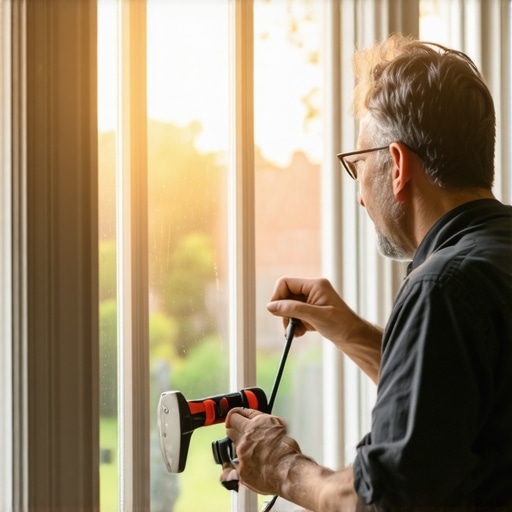
I remember the moment quite vividly. It was a chilly Saturday morning, and I was trying to enjoy my coffee when I noticed a strange draft seeping through one of my old windows. That tiny crack suddenly felt like a huge problem, reminding me how overlooked window issues can quickly turn into costly repairs or energy drains. It was a lightbulb moment—if I didn’t address this small problem early, it could snowball into something much worse. And honestly, I’ve learned the hard way that rushing into expensive replacements without a plan often leads to regrets.
Why Fixing Your Windows Now Can Save You Big Later
The truth is, many homeowners delay window repairs because they assume it’s either too expensive or too complicated. But here’s the thing—small repairs done early are often all it takes to keep your home comfortable and your budget intact. Plus, a well-maintained window can boost your home’s energy efficiency, which might cut your utility bills in the long run. I’ve tested different approaches, and I can tell you, a little effort now pays off in reliability and peace of mind. If you’re tired of drafts, leaks, or that stubborn foggy glass, I’ll walk you through some simple, budget-friendly tips to restore your windows’ trustworthiness.
Is Window Repair Actually Worth the Hype?
Early in my journey, I made the mistake of ignoring a small crack in a window pane, thinking it wasn’t a big deal. That crack soon expanded, leading to a costly replacement that could have been avoided. Trust me, skipping minor fixes can turn manageable problems into major headaches. The good news? You don’t need to break the bank to keep your windows in tip-top shape. There are plenty of affordable strategies that deliver lasting results, and I’ll share some of my favorites. For comprehensive guidance, check out this overview of affordable window repair tips.
Now, if you’re wondering where to start or worried about making mistakes, don’t worry. I’ve got your back. We’re going to explore practical, proven methods to extend your windows’ lifespan without draining your wallet. Ready to get started? Let’s dive into the first step of safeguarding your home’s trustworthiness—because your windows deserve it, and so do you.
Assess the Damage Carefully
Start by inspecting your windows thoroughly. Look for cracks, foggy glass, or leaks that compromise your home’s comfort. Remember, a small crack in a window pane, like the one I ignored early on, can quickly escalate. Use a flashlight to spot hidden issues and note their locations. This initial step prevents unnecessary expenses down the line and helps prioritize repairs effectively.
Choose the Right Repair Materials
Opt for affordable, high-quality materials that match your window type. For minor cracks or chips, clear epoxy or window glazing putty can be a game-changer. Think of it as patching a small leak in a boat—quick, cost-effective, and reliable. For foggy double-pane windows, consider DIY sealing kits or affordable replacements. For more detailed guidance, visit this overview of affordable window repair tips.
Prepare Your Workspace and Tools
Gather essential tools—screwdrivers, putty knives, a utility knife, and safety gear. Clear the area around your window to avoid accidents. Think of this as preparing your kitchen before cooking—organized, safe, and ready for action. Proper preparation ensures a smoother repair process and reduces the risk of mistakes.
Remove Damaged Components
Carefully take out broken glass or damaged seals. Use gloves and a utility knife to avoid injury. For example, I once had a frayed seal that needed replacing; I cut out the old material carefully to prevent further damage. Proper removal is crucial to ensure a secure fit for new components and long-lasting results. Be methodical and patient during this step.
Apply Repairs with Precision
Follow manufacturer instructions for applying epoxy, sealants, or replacing hardware. Use a putty knife to spread materials smoothly. Think of this as painting—precision leads to a professional look and durability. For double-pane windows, sealing the edges effectively prevents leaks and fogging, giving your window a new lease on life. For detailed tips, check out this expert window repair guide.
Seal and Secure Everything
Ensure all repairs are tightly sealed to prevent drafts and leaks. Use weatherstripping or caulk for added insulation. Imagine wrapping your window in a warm blanket—this keeps the cold out and the heat in. Proper sealing enhances energy efficiency and extends the life of your repairs. Don’t skimp on this step; it’s where most long-term savings come from.
Clean Up and Test Your Work
Remove debris, wipe down the glass, and check for drafts. Turn on your heater or AC to see if the window maintains a steady temperature. A quick test like this was invaluable for me; I discovered a small gap that I sealed better, saving me extra trips and costs. Regular testing ensures your repairs hold up over time and keeps your home comfortable.
Maintain Your Windows Regularly
Schedule periodic cleanings and inspections. Use trusted solutions for cleaning and sealing, like those found in this trusted window maintenance guide. Consistent upkeep prevents minor issues from becoming major problems, preserving your home’s trustworthiness and your peace of mind.
Many homeowners believe that tackling window repairs is straightforward: fix the crack, reseal the edges, and you’re done. However, this oversimplification often leads to costly mistakes and missed opportunities for long-term savings. Let’s dig deeper into what most people get wrong about window repair and how you can avoid these pitfalls to ensure your home remains energy-efficient and secure.
Why the Popular Fixes Sometimes Backfire
One common misconception is that sealing a crack with generic caulk or epoxy is enough to solve the problem permanently. In reality, this approach might provide a temporary fix but can trap moisture inside, leading to fogging or even structural damage over time. Experts suggest using specialized sealants designed for your specific window type, and sometimes, replacement is the more reliable option. For instance, if you’re dealing with double-pane fogging, DIY sealing kits might seem tempting, but professional assessment often yields better, longer-lasting results. You can find more detailed guidance on choosing the right repair materials at this overview of affordable window repair tips.
Beware the Repair Trap: Fix Now, Pay Later
Another trap is delaying repairs, assuming the damage isn’t severe. This is a classic mistake because small issues like minor cracks or worn seals tend to worsen over time if neglected. Moisture intrusion can accelerate deterioration, leading to the need for full window replacement rather than simple repairs. An advanced mistake many overlook is not considering the root cause of the problem. For example, poor framing or structural shifts can cause recurring issues that superficial fixes won’t address. Recognizing these nuances can save you from repeated repairs and expenses.
How to Spot the Hidden Damage
Sometimes, the visible damage isn’t the full story. Hidden issues like warped frames, compromised hardware, or subtle leaks can undermine your efforts. Using a flashlight and a mirror to inspect corners and seals can reveal problems that aren’t immediately obvious. Additionally, understanding how environmental factors contribute—such as temperature fluctuations causing expansion and contraction—helps in choosing appropriate repair strategies. This proactive approach ensures your repairs last longer and maintain your home’s trustworthiness.
Remember, effective window repair isn’t just about quick fixes; it’s about understanding the complexities involved. Avoid common myths and be cautious of shortcuts that seem convenient. Instead, base your repairs on expert advice and tailored solutions. Want to learn more about reliable, cost-effective window repairs? Check out this expert window cleaning and repair tips for lasting results. Have you ever fallen into this trap? Let me know in the comments!
Keep Your Windows in Top Shape with the Right Tools
Maintaining your windows over time requires more than just initial repairs; it demands consistent care and the right equipment. Personally, I rely on a few essential tools that have proven invaluable in my repair projects. A high-quality cordless drill is my go-to for replacing hardware efficiently without dealing with tangled cords or limited mobility. I prefer a model with variable speed settings, which gives me better control, especially when handling delicate components like seals or glass clips.
For sealing and caulking, I swear by a professional-grade caulking gun that provides smooth, even application. It minimizes mess and ensures a tight seal, which is crucial for energy efficiency. I also keep a set of precision screwdrivers because many window repairs involve tiny screws that standard tools can’t tackle effectively. Investing in quality screwdrivers with magnetic tips saves time and prevents dropped screws in hard-to-reach places.
Cleaning isn’t just about aesthetics—dirt and grime can impair the effectiveness of seals and hardware. I use a microfiber cloth combined with a gentle cleaning solution recommended in trusted window maintenance guides. For stubborn grime, a plastic scraper with a soft edge helps remove debris without scratching glass or frames. Regular cleaning extends the lifespan of your repairs and keeps your windows functioning smoothly.
Tools I Recommend for Long-Term Success
One of my favorites is a digital moisture meter. It’s an excellent investment because it helps me detect hidden water intrusion behind seals before visible damage occurs. This proactive approach saves me from costly replacements down the line. Additionally, I use a silicone spray lubricant on hinges and locks periodically. It prevents rust and ensures smooth operation, especially in climates with high humidity.
Looking ahead, advancements in smart tools and diagnostic devices will likely make window maintenance even more efficient. For example, IoT-enabled sensors can monitor humidity and temperature around your windows, alerting you to potential issues before they escalate. Staying updated with these innovations can give you an edge in maintaining your home’s trustworthiness.
How do I keep my repair tools effective over time?
Regular maintenance is key. Keep your tools clean, sharpen screwdrivers, and replace worn-out parts promptly. Store them in a dedicated toolbox to prevent damage and keep everything organized. I also recommend testing your tools periodically to ensure they still perform well, especially before major projects. Proper storage and maintenance not only extend the lifespan of your equipment but also make repairs quicker and more precise.
By investing in quality tools and maintaining them diligently, you’ll ensure your window repairs stand the test of time. If you’re interested in exploring more about affordable solutions for lasting results, check out this comprehensive guide. Try adopting one or two of these advanced maintenance tips today and experience smoother, more reliable window performance. Don’t forget—well-maintained tools lead to better repairs and greater peace of mind!
The Hardest Lesson I Learned About Window Fixes
One of my biggest realizations came when I ignored a tiny crack in my window, thinking it was insignificant. That crack quickly worsened, leading to a costly glass replacement. This taught me that small issues are often the first sign of bigger problems, and addressing them early can save hundreds of dollars and headaches down the line.
My Top Tools for Reliable Window Repairs
Over time, I discovered that investing in quality tools like a professional-grade caulking gun and a digital moisture meter made all the difference. These tools help me perform precise repairs and detect hidden moisture intrusion before it causes real damage. Trusting expert-recommended tools ensures my repairs last longer and work better.
How Fixing Windows Transformed My Home’s Comfort
Initially, I thought window repairs were purely cosmetic, but I learned that proper sealing and hardware maintenance significantly improve energy efficiency. That means lower utility bills and a more comfortable living space. Don’t overlook simple repairs—your home’s comfort depends on it!
What I Wish I Knew Before Starting My First Repair
I wish I had understood the importance of assessing hidden damage behind the visible cracks. Using a flashlight and inspecting the frame and hardware upfront would have prevented recurring issues. Being proactive with detailed inspections is key to long-lasting results.